
Ancient Gene Holds Promise for Modern Gout and Metabolic Disease Treatment
ATLANTA, GA – Gout, a painful form of arthritis documented for millennia, may soon have a novel treatment thanks to groundbreaking research at Georgia State University. Scientists have successfully used CRISPR gene-editing technology to reactivate a gene lost in the human lineage over 20 million years ago - a gene that could hold the key to not only alleviating gout,but also preventing a host of related metabolic disorders.
The study, published in Scientific Reports, details how researchers restored the function of uricase, an enzyme present in most other animals but absent in humans and other apes. Uricase is crucial for breaking down uric acid, a waste product that, when elevated, can crystallize in joints and kidneys, leading to gout, kidney disease, and cardiovascular problems.
“Without uricase, humans are left vulnerable,” explains Dr. Eric Gaucher, a biology professor at Georgia State and co-author of the study. “We wanted to see what would happen if we reactivated the broken gene.”
A Lost Advantage? The Evolutionary History of Uricase
The loss of uricase is a curious evolutionary puzzle. While detrimental today, some scientists theorize that losing the gene may have once provided a survival advantage to early primates. Research highlighted in Seminars in Nephrology,led by dr. Richard Johnson of the University of Colorado, suggests that higher uric acid levels may have helped our ancestors efficiently convert fruit sugars into fat – a valuable adaptation during periods of food scarcity.
Though, in the modern world of readily available calories, this ancient adaptation has become a liability, contributing to a growing epidemic of metabolic diseases.
CRISPR to the Rescue: Reintroducing a Forgotten Enzyme
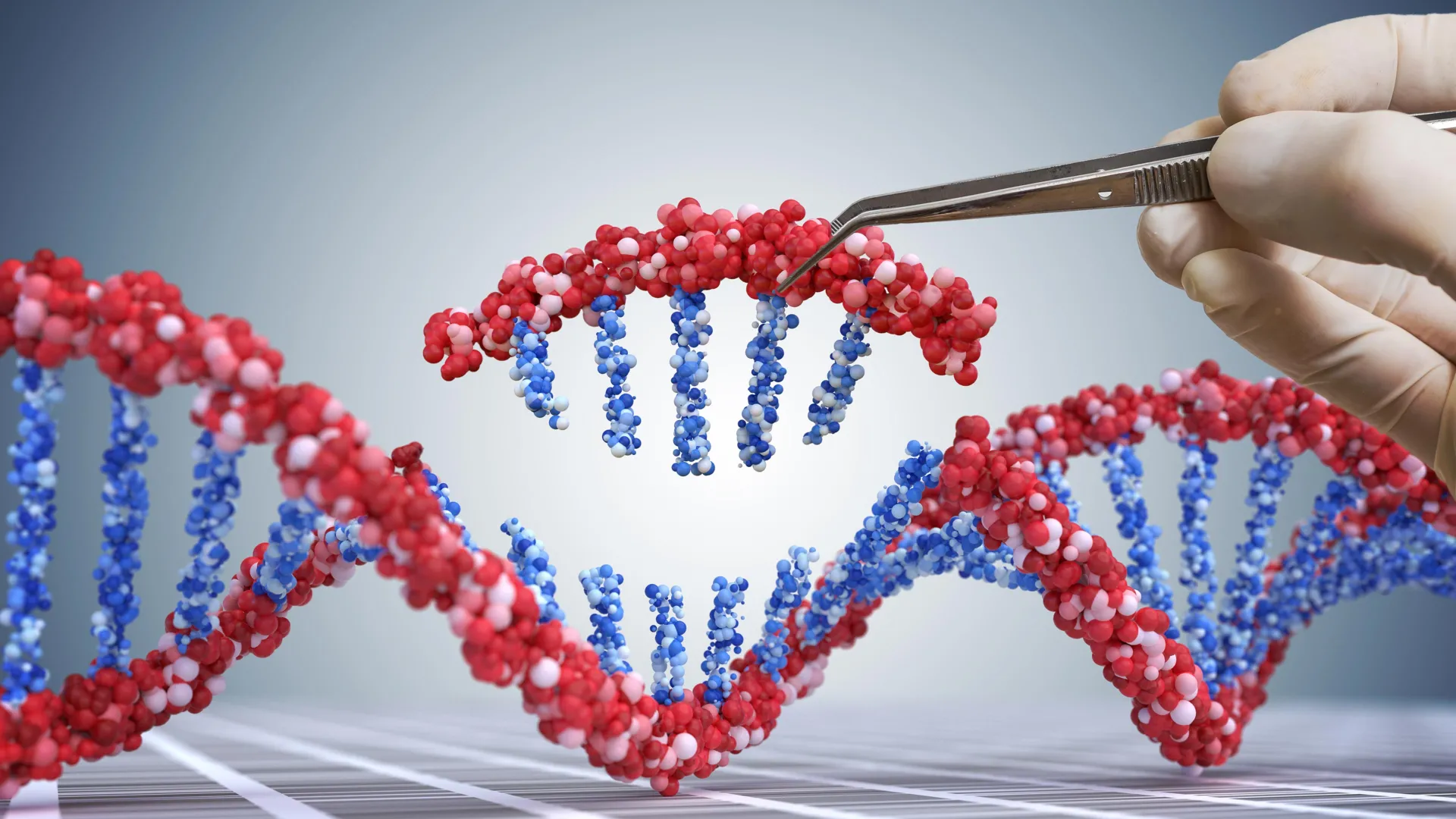
Dr. Gaucher and his team, including postdoctoral researcher lais de Lima Balico, employed the precision of CRISPR-Cas9 gene editing – frequently enough described as “molecular scissors
