
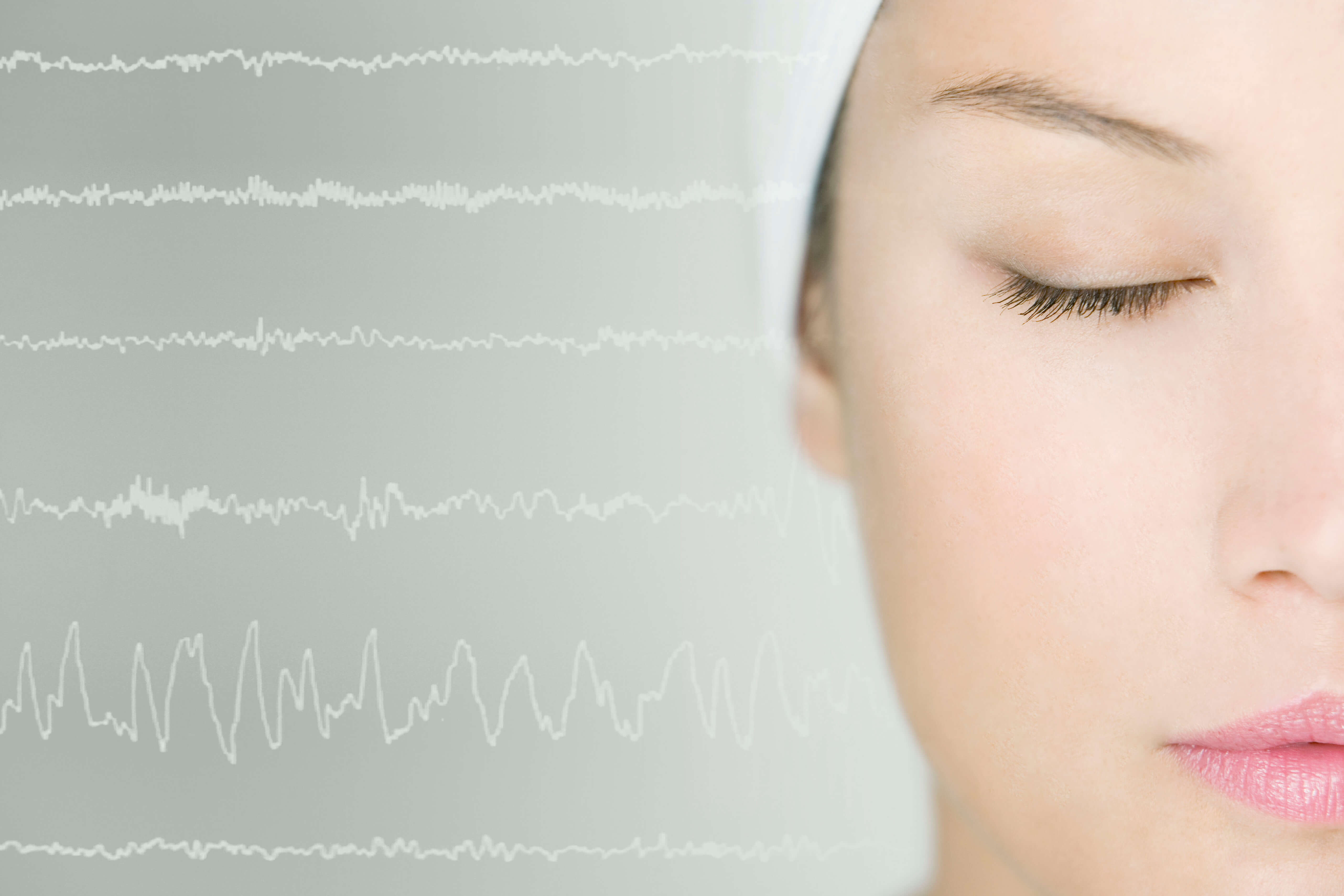
Sleep fragmentation May Signal Early Stages of Dementia and Parkinson’s, New Research Suggests
GENEVA – Disruptions in sleep architecture, specifically a decline in deep sleep and increased fragmentation, are emerging as a potentially crucial early warning sign for neurodegenerative diseases like Alzheimer’s and Parkinson’s, according to research presented by Dr. schreiner and colleagues.The findings suggest sleep analysis coudl offer a novel, non-invasive method for early diagnosis, particularly in conditions lacking reliable biomarkers.
The link between sleep and these diseases isn’t merely correlational; it appears deeply rooted in the brain’s natural cleansing processes. During deep sleep, the glymphatic system efficiently clears waste products, including amyloid and tau proteins-hallmarks of Alzheimer’s disease. A lack of sufficient slow-wave sleep hinders this process, allowing protein deposits to accumulate. This creates a reciprocal cycle: sleep loss promotes deposition, while deep sleep inhibits it. This discovery positions sleep not just as a symptom, but as a potential driver and early indicator of neurodegeneration, impacting an estimated 55 million people worldwide currently living with dementia.
Researchers have demonstrated a high degree of accuracy in differentiating between neurodegenerative diseases by analyzing sleep architecture. This is particularly significant for non-Alzheimer’s conditions where blood or cerebrospinal fluid biomarkers are scarce. Dr. Schreiner’s team is developing a digital tool utilizing polysomnography data to provide insights into underlying disease processes.
Therapeutic interventions targeting sleep are also showing promise. Pharmacological approaches, such as dual orexin antagonists, are being investigated. Orexin, a messenger substance promoting alertness, is often overactive in Alzheimer’s patients and correlates with sleep fragmentation and neurodegeneration; inhibiting it may improve sleep and reduce amyloid beta levels in cerebrospinal fluid.
Beyond pharmaceuticals, non-pharmacological methods like acoustic deep sleep stimulation are yielding encouraging results.Preliminary studies involving devices like the “Sleep Loop,” developed at ETH Zurich, indicate improvements in memory performance and reduced amyloid beta levels in Alzheimer’s patients. parkinson’s patients utilizing the same method have reported enhanced sleep quality and increased daytime alertness.
