
“Mini-Brain” Model Shows Promise for Treating Brain Injuries in Premature Babies
LUND, SWEDEN – A newly developed, highly realistic in vitro brain model is offering a potential breakthrough in the search for effective treatments for cerebral hemorrhages in premature babies, researchers announced today. The model, built using human stem cell-derived brain tissue in collaboration with ege University in Turkey and Harvard University, successfully tested a targeted antidote that reduced inflammation and offered partial protection to neural stem cells. The findings, published in Advanced Science, represent a meaningful step forward in addressing a condition with currently no proven therapies.
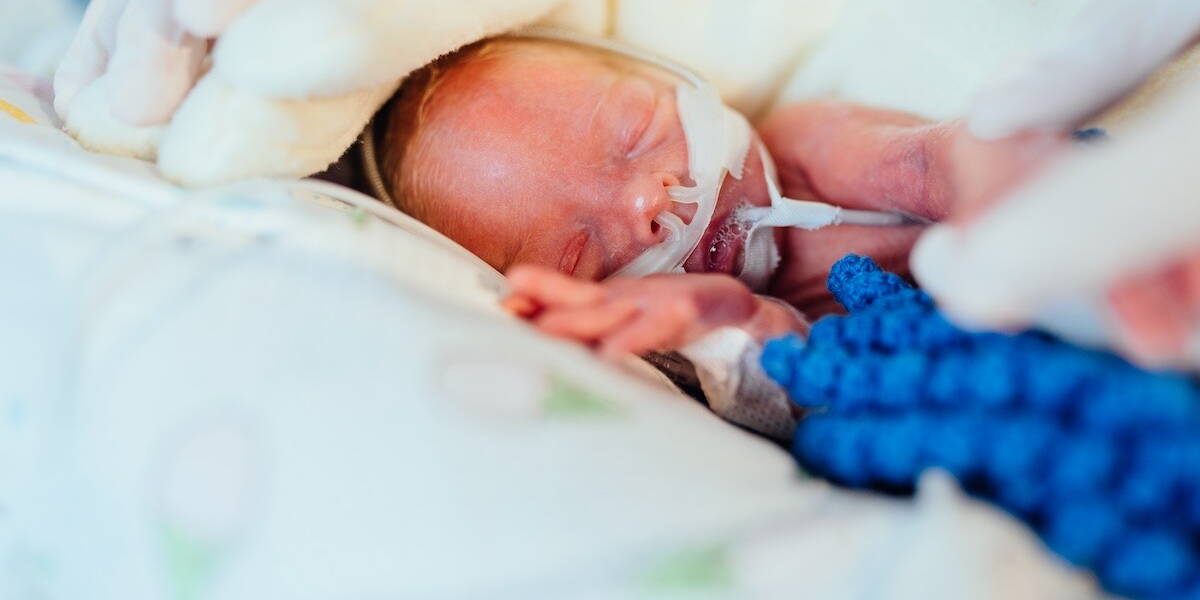
Cerebral hemorrhages are a leading cause of neurological damage in premature infants. Researchers, led by Dr. Johanna Herland at Lund University in Sweden, created the “mini-brain” to closely mimic the human brain’s response to bleeding, allowing for controlled study of inflammation and tissue repair. The model incorporates both neural stem cells and glial cells,crucial components of brain development and function.
“It allowed the team to test for the first time a targeted antidote, an IL-1 antagonist, which successfully reduced the inflammatory response and provided partial protection to neural stem cells,” Herland stated.
Analysis of cerebrospinal fluid (CSF) from babies with cerebral hemorrhage revealed milder cellular changes compared to the in vitro model, attributed to lower toxin concentrations and the presence of protective nutrients and anti-inflammatory proteins in the CSF.
The research team plans to expand the model to simulate varying degrees of injury and test additional potential drugs. This innovative approach offers a human-relevant testing ground,bypassing the safety concerns associated with clinical trials on vulnerable premature infants.
This breakthrough builds on recent advances in brain-on-a-chip technology, exemplified by work at the University of Rochester, which utilizes microchips with human tissue to study the blood-brain barrier and explore personalized treatment strategies.The Lund University model’s complexity and clinical relevance position it as a possibly transformative tool in neonatal medicine, offering new hope for preventing lifelong neurological damage in the most vulnerable patients.
