
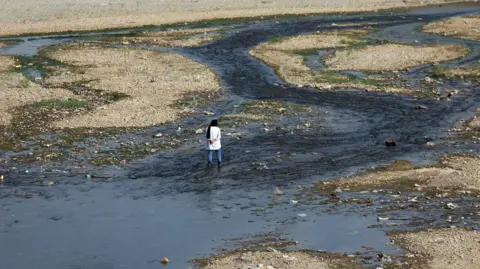
Iran Braces for Water Crisis as Reservoirs Plummet, Threatening Major Cities
TEHRAN, Iran - Iran is confronting a severe water crisis with reservoirs across teh country dwindling to critically low levels, raising the specter of widespread water restrictions in major cities including Tehran and Mashhad. The government has warned it may need to limit water supplies as the country experiences prolonged dry weather, compounded by aging infrastructure and recent conflict.
The crisis, decades in the making, is now reaching a breaking point. While drought is a primary driver, officials point to a combination of factors exacerbating the situation, including notable water leakage from Tehran’s century-old water network and damage potentially linked to the recent 12-day conflict with Israel. this confluence of issues threatens to leave millions facing water scarcity.
Iran’s Energy Minister Ali Abadi has attributed the Tehran crisis not solely to lack of rainfall, but also to leaks in the capital’s aging infrastructure. The situation was potentially worsened by an Israeli strike on the northern Tehran neighborhood of Tajrish on June 15th, which caused significant flooding, suggesting damage to water systems. The Israel Defense Forces stated they targeted Iranian military “command centres” in the strike.
Beyond the capital, the situation is dire nationwide. Ahmad Vazifeh, head of Iran’s National Centre for Climate and Drought Crisis Management, reports dams in West Azerbaijan, East Azerbaijan, and Markazi provinces are in a “worrying state,” with water levels falling into the single digits.
Mashhad, Iran’s second-largest city, is facing an especially acute crisis. Khorasan Razavi Province Governor warned that water reserves in Mashhad’s dams have dropped to “less than eight percent,” characterizing the situation as a “mega-challenge of drought.” hossein Esmaeilian, CEO of Mashhad’s Water and Wastewater Company, painted an even more alarming picture, stating the city’s main dam has fallen below three percent capacity. “Only three percent of the combined capacity of Mashhad’s four water-supplying dams - Torogh, Kardeh, Doosti, and Ardak - remains. Apart from Doosti Dam, the other three are out of operation.”
The looming water crisis is not a new threat. As early as 2011, Iran’s Supreme Leader, ayatollah Ali Khamenei, publicly acknowledged the potential for water shortages in his Nowruz addresses and subsequent statements. Despite these warnings, ample progress in addressing the underlying issues has been limited, leaving Tehran, Karaj, and Mashhad – collectively home to over 16 million people – vulnerable to the possibility of running out of water.
