
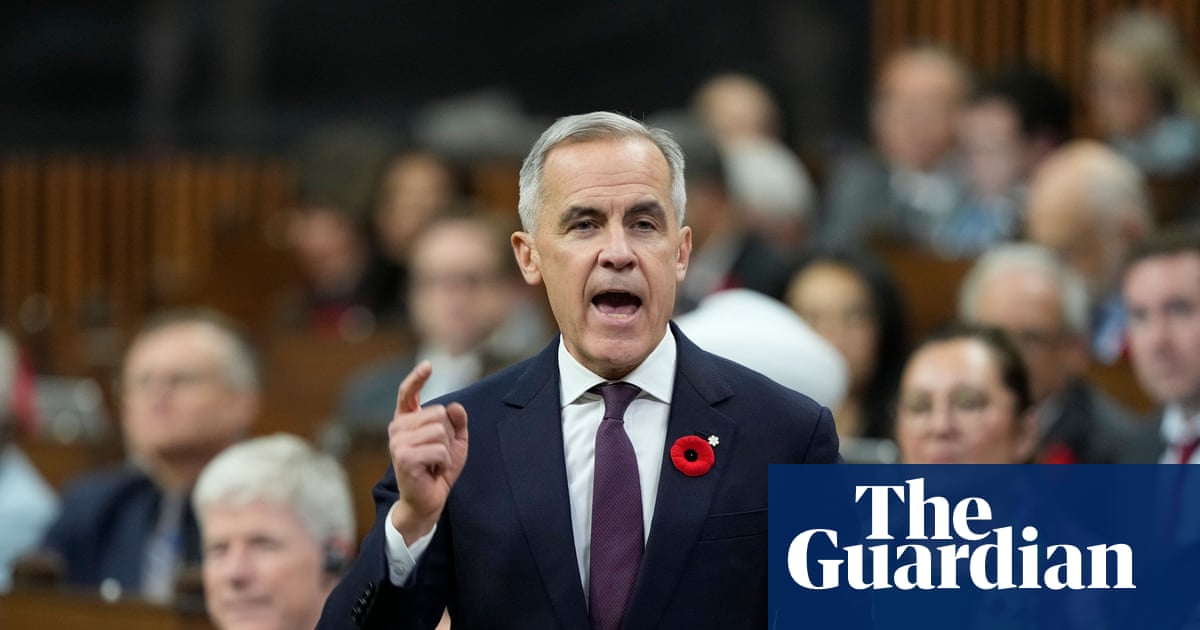
Carney‘s Budget survives Confidence Votes, Averting Potential winter Election
Canada’s Liberal government, led by Prime Minister Mark Carney, has successfully navigated two crucial confidence votes on its new budget, effectively quashing fears of a potential Christmas election. The budget, unveiled recently, proposes “generational investments” aimed at reshaping the Canadian economy, but also significantly increases the federal deficit.
The plan projects a deficit of C$78.3 billion in 2025-26, a substantial increase from the C$42.2 billion previously projected in last December’s fiscal update. The government aims to reduce this deficit to C$56.6 billion by 2029-30. Carney emphasized the need for “bold and swift action” in his budget speech, signaling a focus on economic transformation.
Leading up to the vote, Carney maintained a stance of prioritizing economic policy over political maneuvering, cultivating an image of a “no-nonsense technocrat.” He initially appeared uninterested in directly addressing concerns from opposition parties who together criticized the budget for both overspending and underspending.
However, the Liberals initially held only 169 seats - three short of the majority needed to pass the budget without opposition support.Government House Leader Steven MacKinnon warned that the lack of votes could trigger a Christmas election.
A pivotal moment arrived on Tuesday when Conservative MP Chris d’Entremont crossed the floor to join the Liberal caucus. Representing a riding in Nova Scotia, d’Entremont cited dissatisfaction with Conservative leader Pierre Poilievre’s leadership style as a key factor in his decision, suggesting other Conservatives shared similar concerns.
This defection brought the Liberals closer to securing the necessary support. The situation became even more favorable on Thursday evening when Conservative MP Matt Jeneroux unexpectedly announced his resignation from Parliament, citing a desire to “spend more time with his family,” just seven months after being re-elected. Jeneroux denied rumors of being pressured to leave the Conservative caucus following private meetings with Carney.
Government whip Mark Gerretsen suggested Jeneroux’s resignation was not coincidental, stating that Poilievre was witnessing progressive lawmakers ”abandon” the party. Reports of discontent within the Conservative caucus and Liberal efforts to attract disgruntled Tory MPs have been circulating.
Carney himself signaled a willingness to engage in political outreach, stating he would “speak to anyone publicly or or else” who might support his legislative goals.
Political analyst Lori Turnbull, director of Dalhousie University’s school of public administration, noted that Carney’s appeal stems from his background outside traditional politics. She explained that his shift towards a focus on the economy and fiscal obligation has resonated with moderate conservatives, who “have a lot in common with Carney.”
