
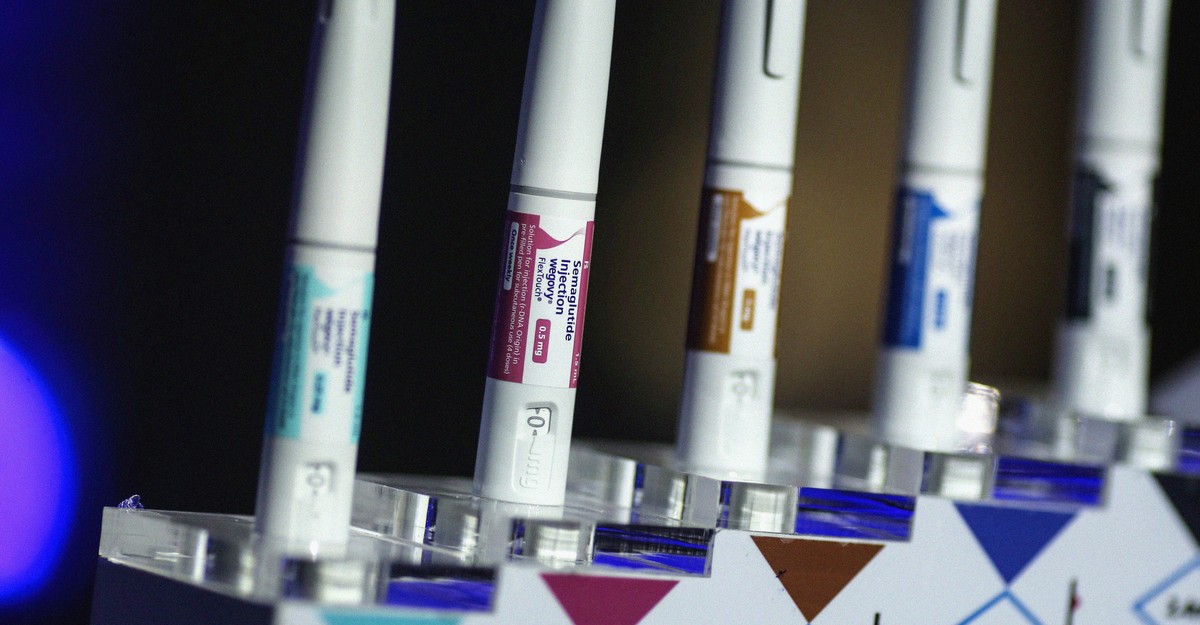
The Shifting Landscape of Weight Loss Drugs: Access, Cost, and future Innovations
Patients demonstrate a notable sensitivity to medication costs, even when those medications are critical for thier health. A 2018 study revealed that approximately one-third of cancer patients abandoned prescriptions at the pharmacy if out-of-pocket expenses exceeded $100. As Vanderbilt University drug-pricing policy expert Stacie Dusetzina notes, “Even at the lowest prices being offered by drug manufacturers, many people will struggle to pay out of pocket for these products.”
Recent changes aim to improve access to obesity drugs, particularly for seniors. Under a new agreement, Medicare will now cover these medications for the first time, limiting out-of-pocket costs to $50 per month, with even lower costs anticipated for Medicaid recipients. While Medicare already covered these drugs for related conditions like diabetes and sleep apnea,the administration is expanding eligibility to include individuals with prediabetes or certain heart conditions. However, access based solely on weight will be limited to seniors with severe obesity. The administration estimates roughly 10% of Medicare enrollees will become eligible as a result of this announcement.The impact on Medicaid coverage remains uncertain, as decisions ultimately reside with individual states.
The immediate beneficiaries of this shift may be those already willing and able to pay out of pocket for these drugs. This represents a relatively small portion of the patient population – Novo nordisk estimates around 10% of current Wegovy patients utilize their discounted cash price. Costs for insured individuals vary depending on their specific health plan, with Eli Lilly highlighting potential monthly payments as low as $25 through private insurance.
Looking ahead, demand for current injectable GLP-1 drugs like Wegovy and Zepbound may soon decrease. A new era of oral GLP-1 medications is on the horizon, with Eli Lilly expected to submit an FDA application for a weight loss pill imminently, and Novo Nordisk’s application already under review. The agreement with the government included FDA review vouchers, accelerating the approval process for both companies. The initial dose of these oral drugs will be capped at $150, with Eli Lilly’s higher doses limited to $399 (Novo Nordisk’s pricing for higher doses remains unclear). Furthermore, eli Lilly is developing retatrutide, a new injectable GLP-1 that appears even more effective than current options, and is not currently part of the agreement with the White House.
While former President Trump emphasized his role in securing favorable pricing from drugmakers, stating, ”You think it was easy dealing with these people? It wasn’t,” the pharmaceutical companies are also poised to benefit. Both Eli Lilly and Novo Nordisk have already generated substantial revenue from these drugs, and are on the verge of launching new, potentially highly profitable medications.
