
Health Officials Urge Early Detection of Oral Cancer as Cases Rise in Brasília
BRASÍLIA, DF - Health authorities are emphasizing the critical importance of early diagnosis for oral cancer as new cases are detected in the Federal District. While precise figures are still being tallied, estimates suggest around 50 new cases will be identified in the current period.Despite a high cure rate – reaching 90% with early detection – the mortality rate remains significant,between 43% adn 45%,highlighting the dangers of delayed diagnosis which frequently enough necessitates more invasive treatment.
Oral cancer can initially present without pain, frequently enough being mistaken for a common cold sore. “At first,cancer is usually painless and is frequently enough confused with a cold sore. The difference is that a cold sore hurts and disappears, while a cancerous lesion is asymptomatic at first,” explains dental surgeon Eliziário Leitão.
Self-examination is a key preventative measure. Individuals are advised to regularly inspect their mouths for changes in the tongue, gums, cheeks, and lips, and to seek dental attention for anything unusual. Wounds that persist for longer than 21 days, white or reddish spots, and ongoing changes to the oral mucosa should be promptly evaluated.
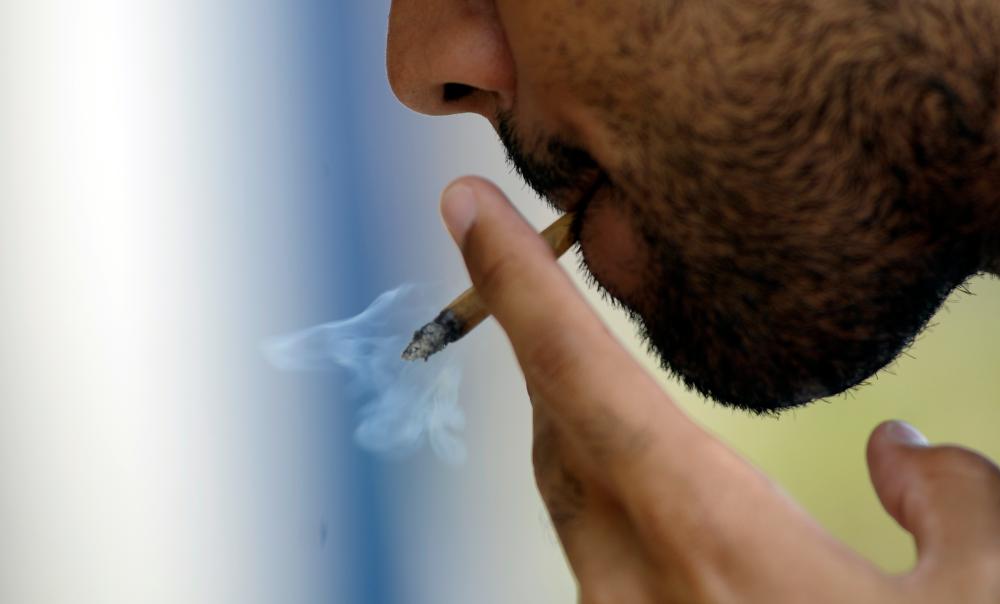
Smoking and alcohol consumption remain the leading risk factors, with approximately 93% of diagnosed patients being smokers. The risk escalates up to 30 times when smoking is combined with the consumption of distilled beverages like cachaça, according to Leitão. Unprotected sun exposure and the human papillomavirus (HPV) – transmitted through unprotected oral sex - are also emerging concerns, particularly among younger populations.
The Unified Health System (SUS) provides free diagnosis and treatment. Patients should initially visit their local Basic Health Unit (UBS) for evaluation and potential referral to one of 14 dental specialty centers (CEOs) in the Federal District for clinical diagnosis and biopsy. Treatment typically involves surgical removal of the tumor, often followed by radiotherapy.
National oral Cancer Prevention Week, established by Lei nº 13,230 in 2015, is observed annually during the first week of November to raise awareness. “Prevention is the biggest challenge,” Leitão stresses. “Many people are unaware of the possibility of mouth cancer, and it is essential to inform the population about the existence and aggressiveness of this disease, both physically and mentally.”
