
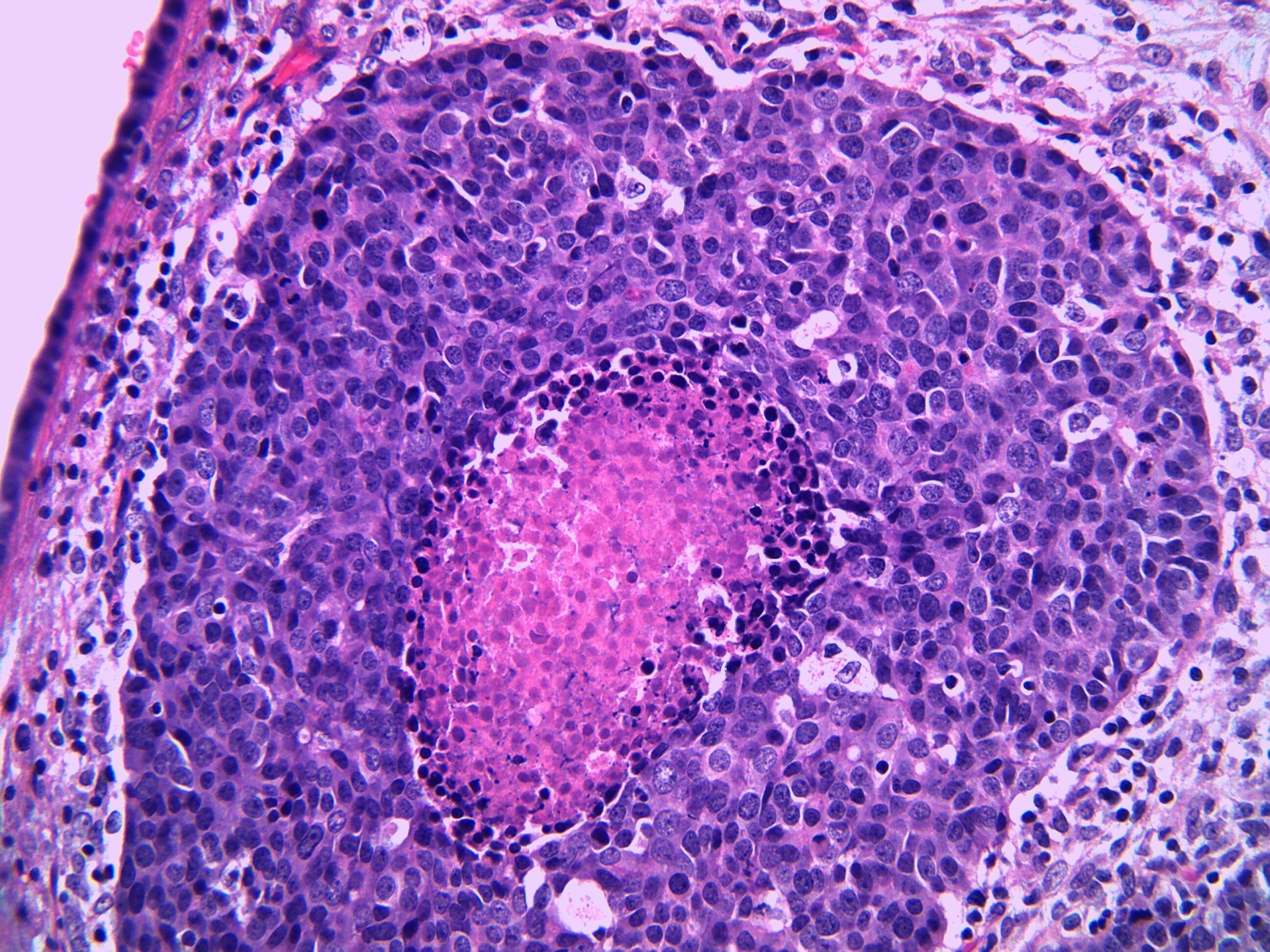
Antibody-Drug Conjugate Enfortumab Vedotin Demonstrates Promise, Fuels Advancement of Next-Generation Therapies for Urothelial Carcinoma
A new wave of targeted cancer therapies is gaining momentum in the fight against urothelial carcinoma, the most common type of bladder cancer. Antibody-drug conjugates (ADCs), designed to deliver potent chemotherapy directly to cancer cells, are rapidly evolving, with enfortumab vedotin (EV) leading the charge.recent clinical trials and ongoing research are not only validating EV’s efficacy but also paving the way for a pipeline of novel nectin-4 targeted ADCs, offering renewed hope for patients with advanced disease.
Urothelial carcinoma affects approximately 82,000 Americans each year, with a particularly poor prognosis for those with metastatic disease. While platinum-based chemotherapy remains the standard first-line treatment, response rates are often limited, and recurrence is common. The emergence of EV, approved by the FDA in 2019, has significantly altered the treatment landscape, providing a targeted option for patients who have progressed after platinum chemotherapy or are ineligible for it. Now, a surge of research is focused on optimizing EV’s use and developing even more effective nectin-4 directed ADCs.
Enfortumab vedotin functions by targeting nectin-4, a cell surface protein frequently overexpressed in urothelial carcinoma. The ADC delivers a potent microtubule-disrupting agent, monomethyl auristatin E (MMAE), directly into cancer cells, leading to cell death. Clinical trials have demonstrated significant activity with EV,including a phase II study showing an objective response rate of 41.2% in patients with previously treated metastatic urothelial carcinoma. Further inquiry in cohorts of patients with both non-squamous and squamous non-small cell lung cancer (NSCLC) also showed activity (Muro et al., 2024).
Crucially, research suggests that nectin-4 amplification may predict response to EV. A study published in the Journal of clinical Oncology (Klümper et al.,2024) found frequent NECTIN4 amplification in solid tumors,specifically correlating with EV response in metastatic urothelial cancer. This finding underscores the potential for biomarker-driven patient selection to maximize treatment benefit.
Beyond enfortumab vedotin, several next-generation nectin-4 targeted ADCs are currently under investigation. SHR-A2102, developed by Sinotrust, is one such candidate. phase I studies have shown promising preliminary activity and a manageable safety profile in patients with advanced solid tumors (Zhong et al., 2024; Tang et al.,2025). Another ADC, bulumtatug fuvedotin (BFv, 9MW2821), is also being evaluated in a first-in-human phase I/II study, demonstrating encouraging results in patients with advanced solid tumors (Zhang et al., 2025). A phase I study of SHR-A2102 is ongoing (Updated July 22, 2025, Accessed August 6, 2025; NCT05701709).
Ongoing clinical trials, such as EV-202, are further exploring the potential of enfortumab vedotin in various solid tumor types (Updated August 1, 2025, Accessed August 6, 2025; NCT04225117). These investigations aim to identify new patient populations who may benefit from this targeted therapy.
The prescribing data for Datroway (enfortumab vedotin) provides detailed guidance on its use, including dosage, governance, and potential adverse effects (Daiichi Sankyo, Inc., 2025). As the field of ADCs continues to advance, researchers are also focusing on strategies to overcome potential resistance mechanisms and improve treatment durability. Wang et al. (2025) recently reviewed targeted therapeutic strategies for nectin-4 in breast cancer, highlighting potential avenues for future development applicable to urothelial carcinoma as well. The ongoing research and clinical development in this area signal a promising future for patients battling this challenging disease.
