
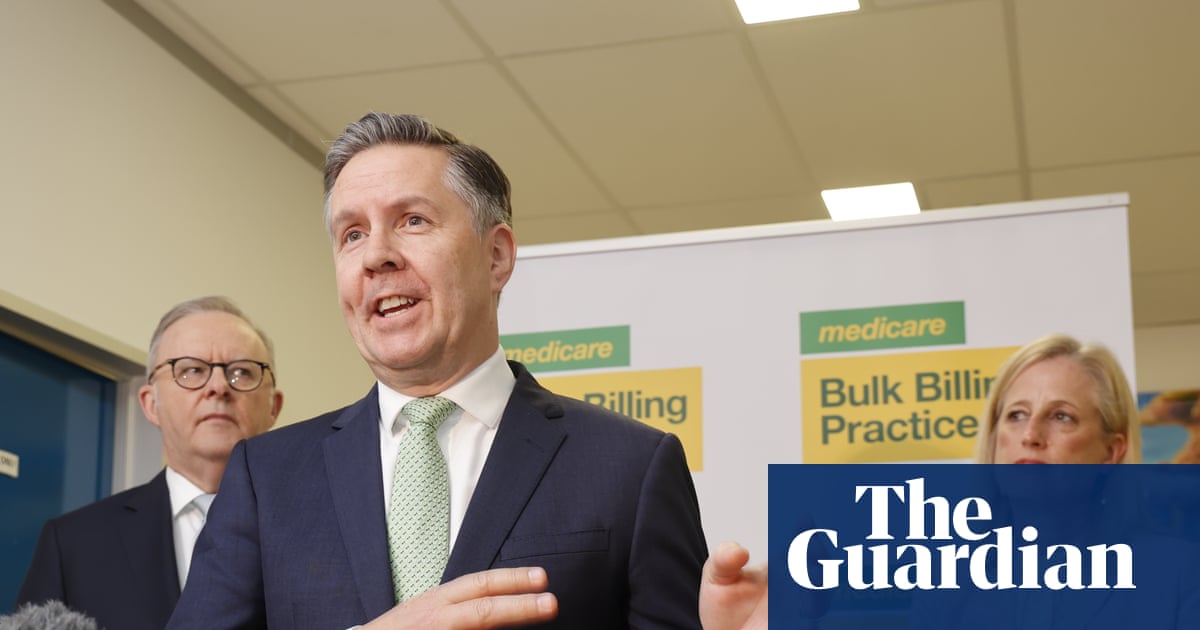
Medicare Investment Faces GP Hesitancy as Bulk Billing Rollout Begins
Canberra, Australia – A recent surge in Medicare investment aimed at bolstering bulk billing is meeting with cautious reception from general practitioners, many of whom express concerns about financial sustainability and potential impacts on patient care.While the government reports a growing number of clinics are shifting to fully bulk billing, notably in regional areas, numerous GPs are hesitant to embrace the changes, citing fears of increased workloads and continued reliance on government funding.
The initiative, representing the largest Medicare investment in years, intends to alleviate cost-of-living pressures for patients by increasing access to free healthcare. However,the scheme’s viability is being questioned by doctors who worry the funding model doesn’t adequately reflect the realities of running a practise. This hesitation could limit the scheme’s effectiveness in addressing healthcare affordability and accessibility across Australia.
According to government figures, two in five clinics planning to move to fully bulk billing are located in regional centres. In Ballarat, for example, eight of 40 practices previously offered mixed billing, with an additional 18 indicating they will transition to fully bulk billing. Despite this uptake, GPs in metropolitan areas are particularly skeptical.
dr. Alan Bradley, a GP in Melbourne, explained that a full shift to bulk billing at his clinic woudl necessitate “essentially double the amount of patients you see per hour.” He anticipates few fully private metropolitan clinics will make the change, as it “incentivises six to 10 minute appointments and quick turnaround.”
Dr. Michael Wright, president of the Royal Australian College of General Practitioners, acknowledged the welcome investment but cautioned, “they won’t work for all practices.” He highlighted a deeper issue of trust, stating that after “a near decade-long Medicare freeze and years of chronic underfunding, many GPs are nervous about switching back to a system that once again makes them 100% reliant on government funding decisions.”
The cost of a standard GP consultation was $90.87 as of recent data. The long-term success of the Medicare investment hinges on addressing these concerns and fostering confidence among gps to ensure lasting and quality healthcare access for all Australians.
