
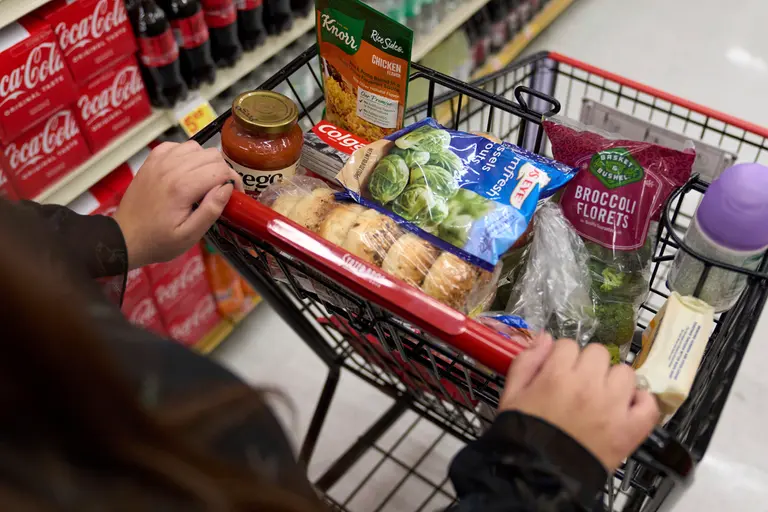
A recent attempt in Congress to secure continued funding for the Supplemental Nutrition Assistance Program (SNAP) during the ongoing government shutdown failed this week, threatening food assistance for millions of Americans. The outcome raises concerns about the future of the program as eligibility requirements are poised to tighten in 2025.
SNAP, commonly known as food stamps, provided aid to 41 million people last year, with nearly two-thirds of recipients being families with children. The program’s future is now under scrutiny as a new income threshold for eligibility approaches. Beginning in 2025, a family of four will need a net income below approximately $31,000 annually-the federal poverty line-to qualify for benefits. This change, coupled with the recent funding setback, could considerably impact access to food assistance for vulnerable populations.
The failed congressional effort underscores the political challenges facing SNAP as lawmakers grapple with budget constraints and differing views on social safety net programs. The program’s supporters argue that SNAP is a vital lifeline for low-income families, while critics advocate for stricter eligibility criteria and reduced spending. The outcome of this debate will have far-reaching consequences for food security across the nation.
