
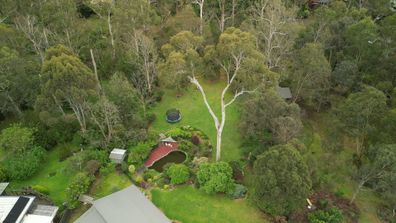
Melbourne optometrist Faces $10,000 Bill to Remove Possibly Deadly Tree
NILLUMBIK, VIC – A Melbourne optometrist, identified only as John, is facing a nearly $10,000 bill to remove a 30-meter native gum tree from his backyard, a tree he believes poses a important safety risk to his family. The exorbitant cost stems from a little-known “offset” program implemented by the Nillumbik Shire Council, requiring financial compensation for the loss of native habitat even when addressing a clear danger.
The program, designed to balance the ecological impact of vegetation removal, necessitates the purchase of “offset credits” – funds used to protect native vegetation elsewhere in the local area – rather than simply replanting on the property. John expressed shock at the financial burden, stating, “I have to pay that much money to make my family safe… I never heard about the tree credit. That’s the most surprising part.”
According to lawyer Justin Lawrence from Henderson adn Ball, offset rules vary between councils. “You take one tree down, you’re required to plant one or more trees again on that property or somewhere else,” he explained, describing the general principle behind these programs.
The Nillumbik Shire Council confirmed it is currently assessing a planning request for the tree’s removal. In a statement, a council spokesperson explained that removing native vegetation impacts local habitat and biodiversity.”Native vegetation offsets are compensatory measures that aim to balance the ecological impact of vegetation removal by protecting native vegetation with similar habitat and biodiversity value elsewhere in the local area,” the statement read.
The council’s process requires a Native Vegetation Removal Report to assess the tree’s biodiversity value and determine the necessary offset cost. Once approved, the property owner must purchase credits either through the council’s program or an accredited external provider. The council clarified that offsets do not typically involve replanting on the same property, but instead contribute to the preservation of existing native vegetation in other locations.
