
Rising Use of Weight Loss Drugs Drives Up Employer Health Costs
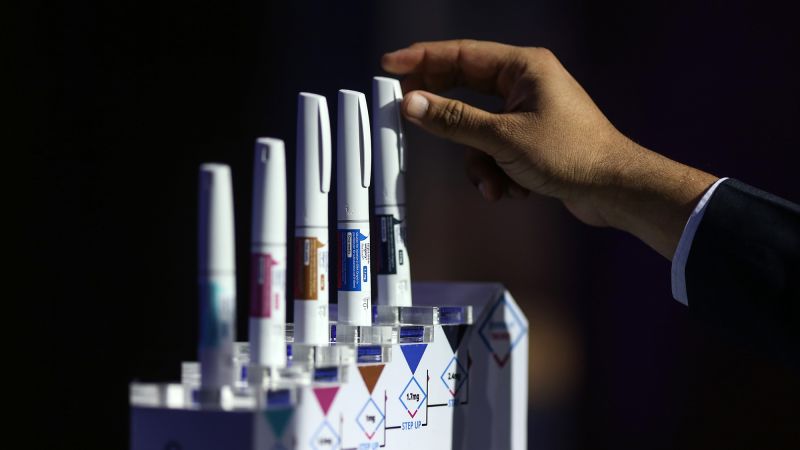
Employer-sponsored health insurance premiums are climbing, and a significant factor is the increasing uptake of GLP-1 medications – drugs like Ozempic and Wegovy initially designed for diabetes management, but now widely used for weight loss. The trend is creating a financial strain on companies, potentially leading too higher costs for employees through increased deductibles and cost-sharing.
Annual insurance coverage for a family reached an average of $27,000 this year, a 6% increase from 2024, according to a recent survey by the Kaiser Family Foundation (KFF). Employees currently contribute an average of $6,850 toward this cost, with employers covering the remainder. Individual coverage averaged $9,300, up 5%, with employees paying $1,440 and employers the balance. While premium growth has largely mirrored inflation and wage increases over the past five years, projections for 2026 suggest a potentially steeper rise.
KFF’s research identifies GLP-1 medications, alongside hospital prices and tariffs, as key drivers potentially pushing up premiums and out-of-pocket expenses for workers next year. The growing demand for these drugs, even as their prices remain high, is a central concern.
“There is a quiet alarm bell going off,” said Drew Altman, KFF’s CEO, in a statement. “Employers have nothing new in their arsenal that can address most of the drivers of their cost increases, and that could well result in an increase in deductibles and other forms of employee cost sharing again, a strategy that neither employers nor employees like but companies resort to in a pinch to hold down premium increases.”
Benefits consulting firms are already anticipating more substantial premium increases for 2026 coverage. The situation highlights a broader challenge for employers navigating the rising costs of healthcare and the evolving demands of their workforce.
