
Rare Genetic Disorder Diagnosed in South Korean Teen After Years of Mystery
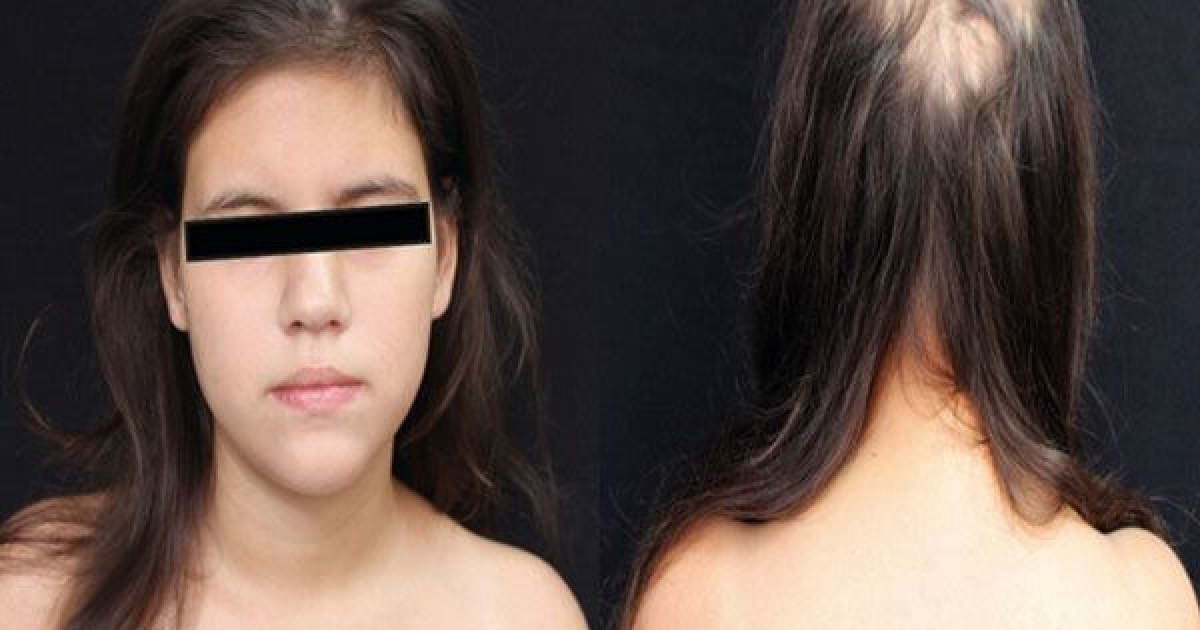
SEOUL, SOUTH KOREA – A 13-year-old South Korean girl, identified as Ms. A, has been diagnosed with Adams-Oliver syndrome, an exceptionally rare genetic condition characterized by distinctive limb and scalp deformities. teh diagnosis, recently published in the Clinical Case Report Journal on the 1st of the month, concludes a years-long search for answers regarding the girl’s unique medical presentation.
Adams-Oliver syndrome affects an estimated 100 to 200 people worldwide,making each case a valuable contribution to medical understanding. The condition manifests primarily through abnormalities in the scalp and limbs, with approximately 61% of cases involving improperly formed scalp areas. Ms. A’s case highlights the challenges in diagnosing this elusive disorder and underscores the importance of genetic testing for accurate identification.
The girl presented with a range of symptoms consistent with Adams-Oliver syndrome, including distal limb deformities. These included asymmetrical short fingers, syndactyly (fused fingers), absence of knuckles, and, in some instances, complete absence of hands, toes, or even entire limbs. According to the Journal of the Korean Society of Neonatology, variations in these deformities are common among those with the syndrome.
Genetic testing conducted by medical staff confirmed the diagnosis.The syndrome is caused by genetic mutation, and while most patients with Adams-Oliver syndrome have normal intellectual ability and can live a normal lifespan, severe scalp or skull deformities can lead to complications like meningitis, requiring careful monitoring.
Treatment for Adams-Oliver syndrome is symptom-dependent, with early transplant surgery considered for severe scalp or skull defects. The case of Ms. A serves as a crucial addition to the limited body of knowledge surrounding this rare condition, offering insights for medical professionals and hope for future patients and families.
