
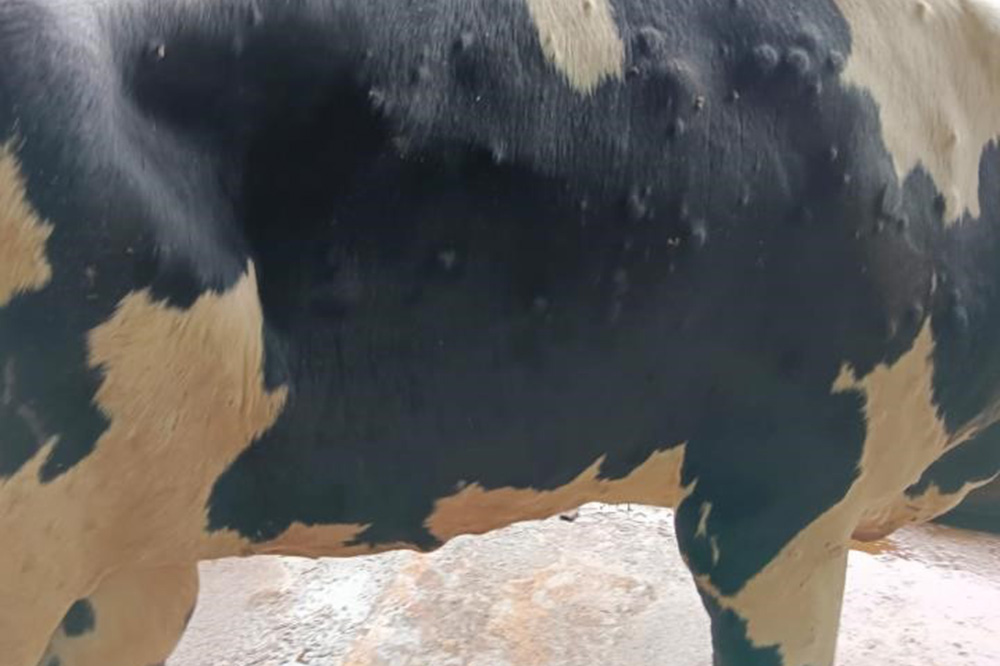
Lumpy Skin Disease Spreads in France and Spain, Triggering vaccination Campaigns and Restrictions
brussels, October 12, 2023 – Outbreaks of Lumpy Skin Disease (LSD) are escalating in France and Spain, prompting emergency vaccination programs and strict movement controls as authorities race to contain the highly contagious viral disease affecting cattle. The FASFC (Federal Agency for the Safety of the Food Chain) warns the disease can travel long distances and emphasizes the importance of biosecurity.
Initial outbreaks where confirmed in a municipality near the Spanish-French border. By October 9, two further outbreaks were identified near the French border, affecting a total of five farms with 655 cattle, 15 of which are showing clinical symptoms. The source of the infections remains under examination.
Spain responded by establishing a 50-kilometer restriction zone encompassing parts of the french department of Pyrénées-orientales and initiating a vaccination campaign on October 9. This campaign aims to cover the entire restricted area, encompassing approximately 800 livestock farms and 93,000 cattle. Fumigation and disinfection of affected premises and vehicles are also underway.
France is battling multiple fronts. A hearth was discovered on September 20,over 100 kilometers west of the initial outbreaks,leading to a new restriction zone. Further complicating the situation, an outbreak was reported on October 11 in the Jura region, outside previously defined areas, triggering a new demarcated zone covering the departments of Saône-et-Loire, Côte-d’Or, haute-Saône and Doubs.Additionally, 93 French municipalities are within the restriction zone established due to the Spanish outbreaks.
Vaccination efforts continue in Corsica, and French authorities confirm sufficient vaccine supplies are available for all affected zones. The protection zone in Savoie, Haute-Savoie and Ain has been lifted, reclassifying the area as a surveillance zone.
Despite a ban on cattle movement from restricted zones, the FASFC highlights the disease’s potential for long-distance spread. The agency stresses the need for stringent biosecurity measures,caution when importing animals from infected countries,and the critical importance of early detection and reporting.
