
South Korea Grapples with Healthcare Challenges: Minister Addresses Foreign Insurance Abuse, Essential Care Crisis, and Genomic Data Security Concerns
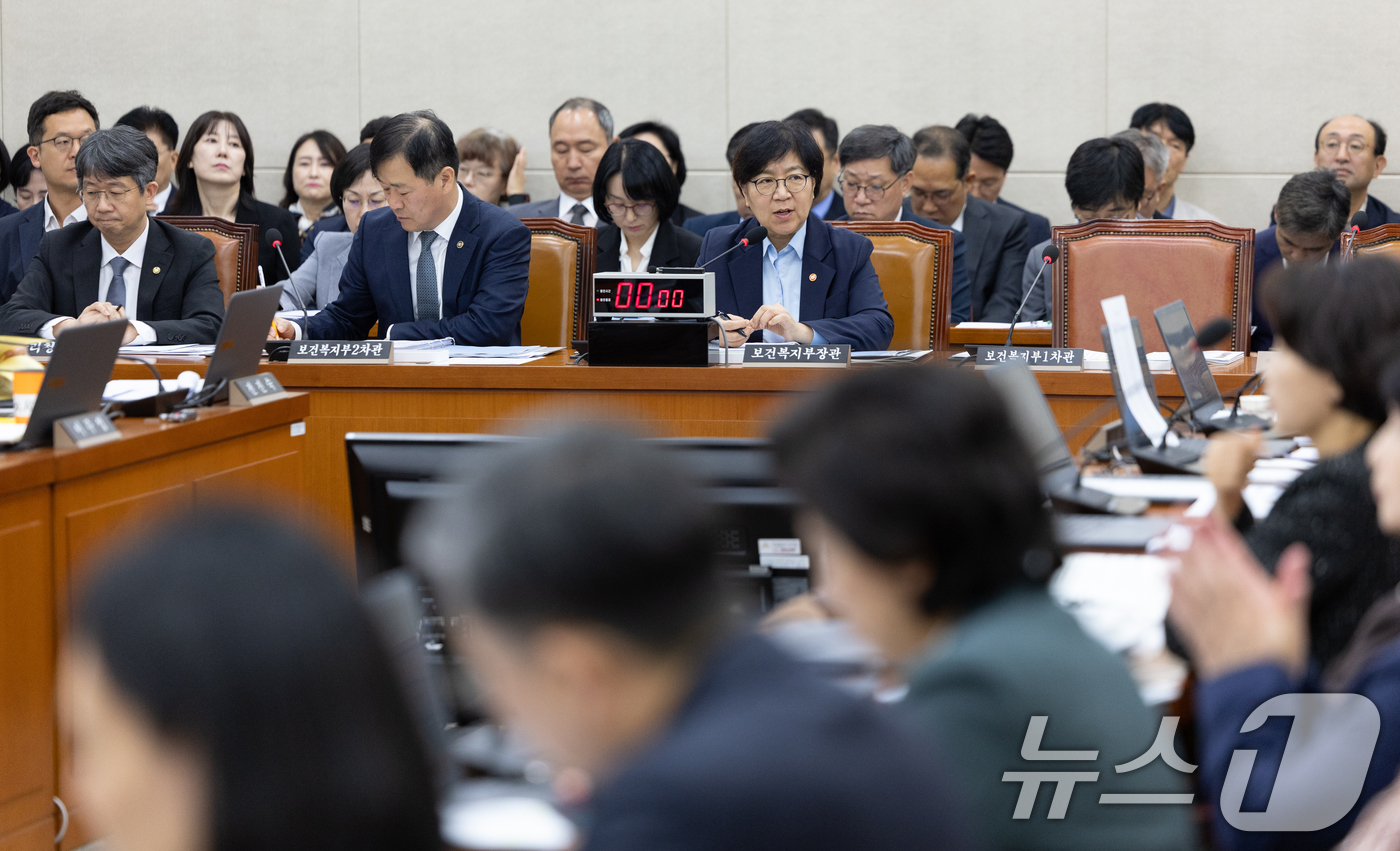
Seoul – South Korea’s Minister of Health, Eun-Kyung Jeong, faced a barrage of questions from National Assembly members today regarding a growing surplus in foreign health insurance funds, a looming crisis in essential medical care, and potential security risks surrounding genomic data.The Ministry reported a 5.5 billion won surplus in foreign health insurance contributions, prompting scrutiny over eligibility requirements and benefit misuse.
Jeong acknowledged the financial surplus and detailed recent changes to health insurance eligibility for foreigners. “With the passage of the 2023 amendment to the Health Insurance Act, from April of last year, foreigners must live in the country for more than 6 months to be eligible for health insurance. It has been strengthened by expanding it from 3 months to 6 months,” she stated, adding that the Ministry is working to improve the system. The surplus comes as the nation also confronts a critical shortage of resources in essential medical fields, a situation Jeong described as being “in crisis.”
Investigations revealed a concerning trend: illegal claims by foreigners increased for the first time in five years, with 99% of those caught continuing to utilize benefits even after losing their qualifications. Jeong attributed this to delays in employers reporting employee departures and pledged to implement improvements to prevent future occurrences. “This problem occurred as the employer was late in reporting when leaving the workplace,” she explained, “and we will make improvements to prevent such incidents from happening.”
The hearing also focused on biosecurity concerns stemming from the presence of Novogene Korea, a company founded by a former member of the Chinese genomics firm BGI, within the Korea Health Management Association building. Assembly members Ji-ah Han and Joo-young Lee raised alarms about potential access to sensitive patient data held by the association, citing concerns over the organization’s limited staffing and the non-residence of its representative. Data presented during the hearing indicated a surge in hacking attempts targeting the association.
Responding to these concerns, Minister Jeong stated, “As of now, only a rental relationship has been confirmed, and we have received a report that there is no history of data sharing or joint research with the association.” She emphasized the strategic importance of genomic data, stating, “Life and human body information, such as the genome, is a strategic asset at the national and societal level, and we will reexamine related laws, systems, and guidelines, and promote system improvement if necessary.”
