
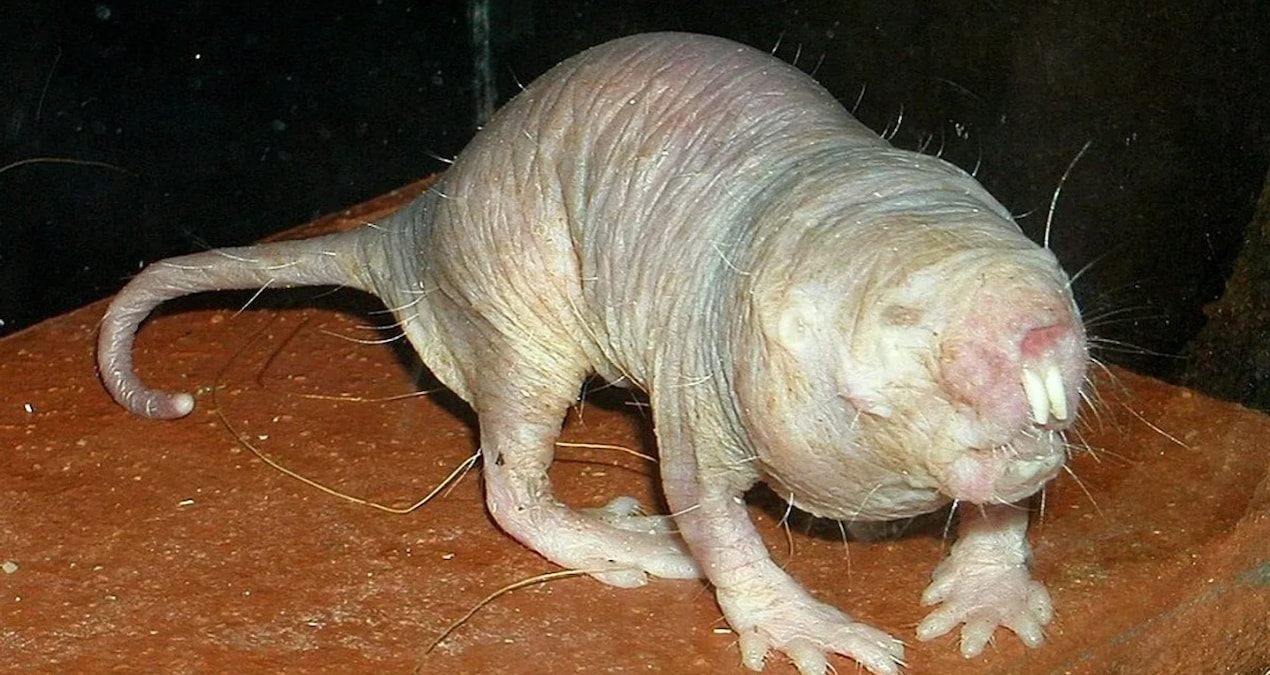
Naked Mole Rats Hold Clues to Longevity Thru Unique DNA repair Mechanism
Naked mole rats, known for their remarkably long lifespans – up to 37 years in captivity – are attracting meaningful scientific attention as researchers seek to unlock the secrets of aging. A new study, published in Science and led by researchers at Tongji University Faculty of Medicine, has pinpointed a key difference in the immune protein cGAS that contributes to their longevity.
typically, the cGAS protein functions as a DNA sensor, triggering an immune response when it detects damage or foreign DNA. However, in humans and mice, cGAS can hinder DNA repair, potentially accelerating aging. Surprisingly, in naked mole rats, cGAS operates in reverse. when DNA breaks occur, this protein remains at the site of damage, actively supporting the repair process.
This unique behavior stems from a subtle genetic alteration: a change of just four amino acids within the cGAS protein. These changes prevent the cell from breaking down cGAS, allowing it to stay put and assist repair proteins. Moreover, the study revealed that naked mole rat cGAS forms a stronger connection with the protein FANCI, wich in turn recruits RAD50 – a crucial player in DNA repair. This enhanced collaboration leads to faster and more accurate DNA damage repair.
The impact of this improved repair mechanism was demonstrated in experiments. Old mice that received the naked mole rat cGAS gene exhibited reduced wrinkles, revitalized hair, and overall diminished signs of aging. Even fruit flies benefited, experiencing a lifespan extension of approximately 10 days.
Researchers believe this genetic advantage evolved as an inevitable result of the naked mole rat’s unique lifestyle – living underground with low oxygen levels and a slow metabolism. This surroundings favored an evolutionary strategy prioritizing cellular repair over rapid reproduction.Similar trends have been observed in other long-lived species like bats and elephants.
While promising, scientists caution against immediate request to humans. cGAS plays a vital role in immune responses, and artificially boosting its activity could have unintended consequences, potentially increasing mutation risks and the likelihood of tumor growth.
the next phase of research will focus on determining whether these beneficial genetic changes can be safely replicated in human cells, paving the way for potential anti-aging therapies.
