
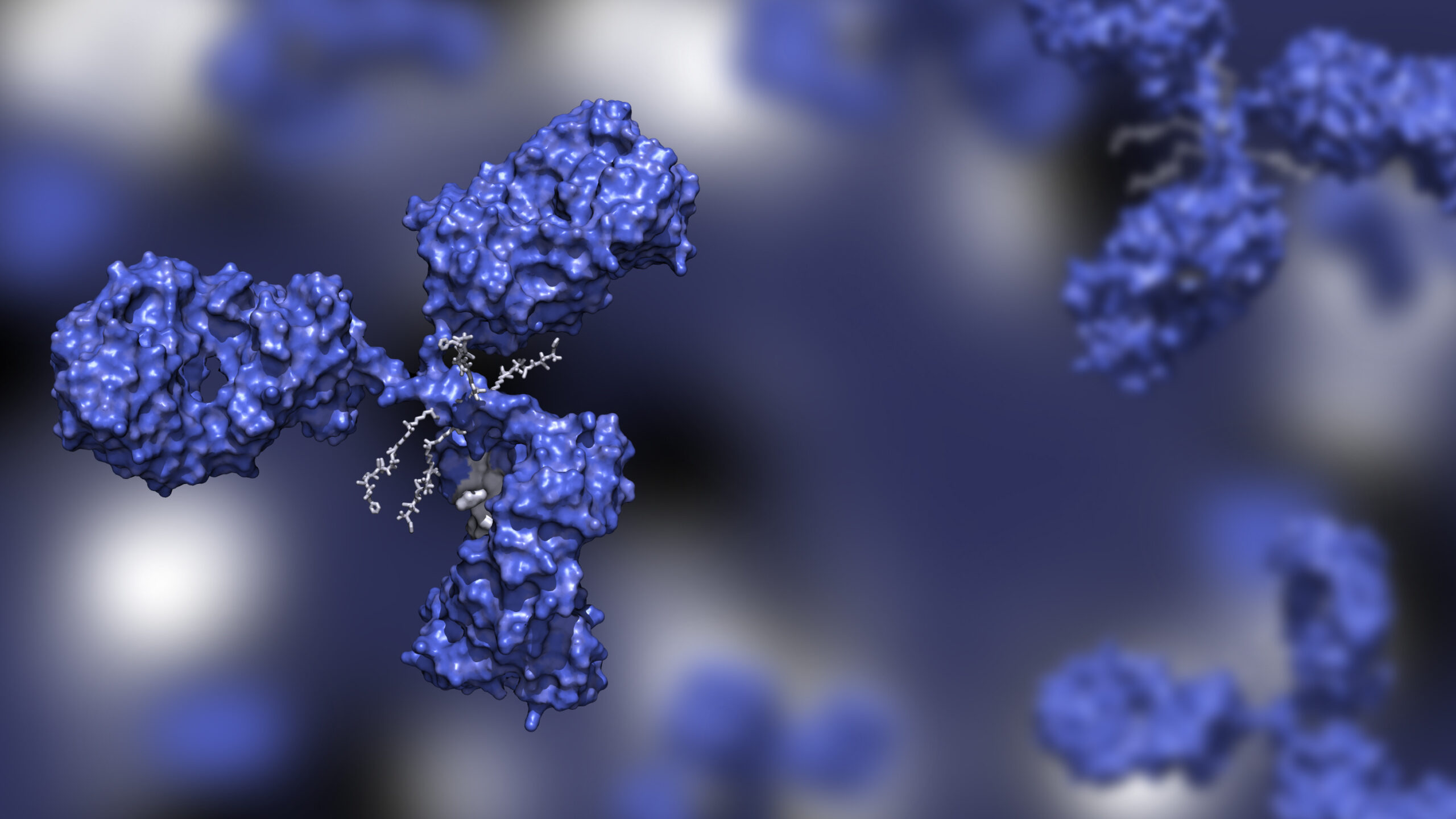
FOR46 Shows Promise in Advanced Prostate Cancer, Phase I Trial Reports
A first-in-human phase I study indicates the antibody-drug conjugate FOR46 demonstrates encouraging clinical activity and a manageable safety profile in patients with metastatic, castration-resistant prostate cancer (mCRPC) who have progressed following treatment with androgen pathway signaling inhibitors. The findings, recently presented, suggest FOR46 warrants further examination.
FOR46 is a fully human antibody linked to the cytotoxic agent monomethyl auristatin E. It specifically targets CD46, a protein overexpressed on mCRPC cells. Preclinical studies demonstrated strong activity of FOR46 in models of enzalutamide-resistant CRPC.
The phase I trial enrolled 56 patients, initially receiving a 0.1 mg/kg loading dose of FOR46 intravenously every three weeks.The study’s primary goal was to determine the maximum tolerated dose (MTD). Researchers utilized whole blood mass cytometry to analyze the peripheral immune response and assessed CD46 expression in tumor tissue via central pathology review.
Dose-limiting toxicities observed included neutropenia in four patients, febrile neutropenia in one, and fatigue in one. The established MTD was 2.7 mg/kg. Across all dose levels, the most frequently reported adverse events (Grade ≥3) were neutropenia (59%), leukopenia (27%), lymphopenia (7%), anemia (7%), and fatigue (5%). One instance of grade 3 febrile neutropenia occurred; no treatment-related deaths were reported.
Analysis of an efficacy-evaluable subgroup-40 patients with adenocarcinoma treated with a starting dose of ≥1.2 mg/kg-revealed a median radiographic progression-free survival of 8.7 months (range: 0.1-33.9). Among 39 patients with evaluable data, 36% (14 patients) experienced a ≥50% reduction in prostate-specific antigen (PSA). The confirmed overall response rate,based on RECIST criteria,was 20% (5 of 25 assessable patients),with a median duration of response of 7.5 months.
Notably,responders exhibited a considerably higher frequency of circulating effector CD8+-T cells during treatment.Researchers concluded that targeting CD46 with FOR46 appears to stimulate an immune response correlated with clinical benefit.
