
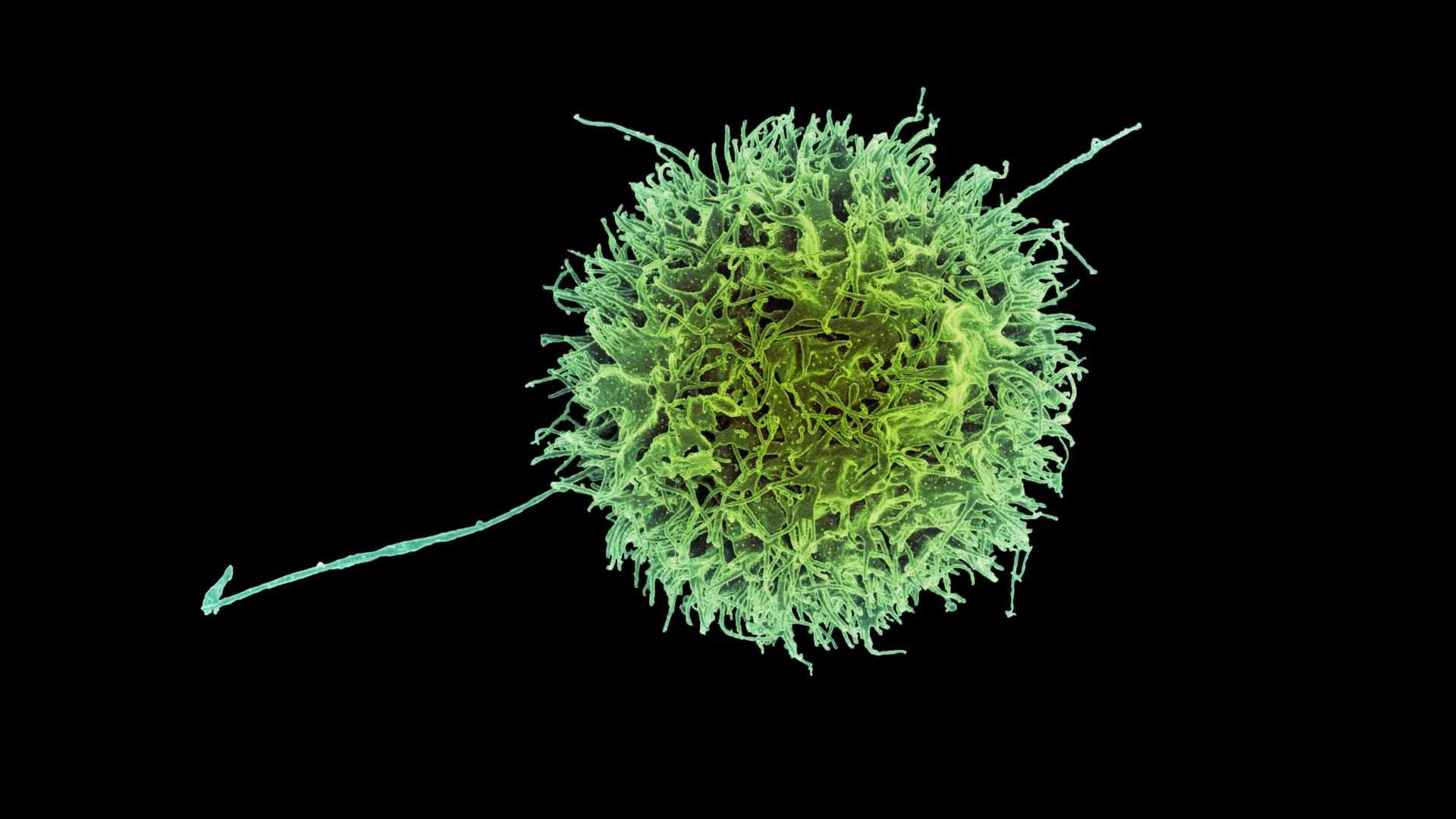
Summary of the Research on Engineered CAR-NK Cells:
This research focuses on improving CAR-NK cell therapy – a promising cancer treatment – by overcoming a key obstacle: immune rejection of donor NK cells. Hear’s a breakdown of the key points:
* the Problem: CAR-NK cells, engineered to target and destroy cancer cells, can be derived from healthy donors for faster, mass production. However, the recipient’s immune system often recognizes and destroys these donor cells before they can fight the cancer.
* The Solution: MIT researchers engineered NK cells to “hide” from the immune system by removing HLA class 1 proteins – the identity markers that signal “foreign” to the immune system. They achieved this using siRNA to silence the genes responsible for producing these proteins.
* Enhancements: alongside removing HLA class 1,they also added genes for PD-L1 or SCE to boost the NK cells’ cancer-fighting ability and the CAR gene to target specific cancer cells (CD-19 in this study).All these components were combined into a single DNA construct for efficient engineering.
* Results in Mice: Mice with human-like immune systems and lymphoma were used to test the engineered cells.
* Mice receiving the modified CAR-NK cells showed long-lasting NK cell populations (at least 3 weeks) and significant cancer elimination.
* Control groups (unmodified NK cells or CAR-NK cells without HLA class 1 removal) experienced immune rejection of the donor NK cells, cancer progression, and cell death within 2 weeks.
* The engineered cells also showed a reduced risk of cytokine release syndrome, a dangerous side effect of immunotherapy.
* Future Directions:
* Clinical trials are planned in collaboration with Dana-Farber.
* Testing the therapy for lupus, an autoimmune disorder, is underway with a biotech company.
* The researchers believe this construct can be adapted to existing CAR-NK cell therapies targeting different cancers.
In essence, this research represents a significant step towards making donor-derived CAR-NK cell therapy a viable and perhaps safer choice to CAR-T cell therapy.
