
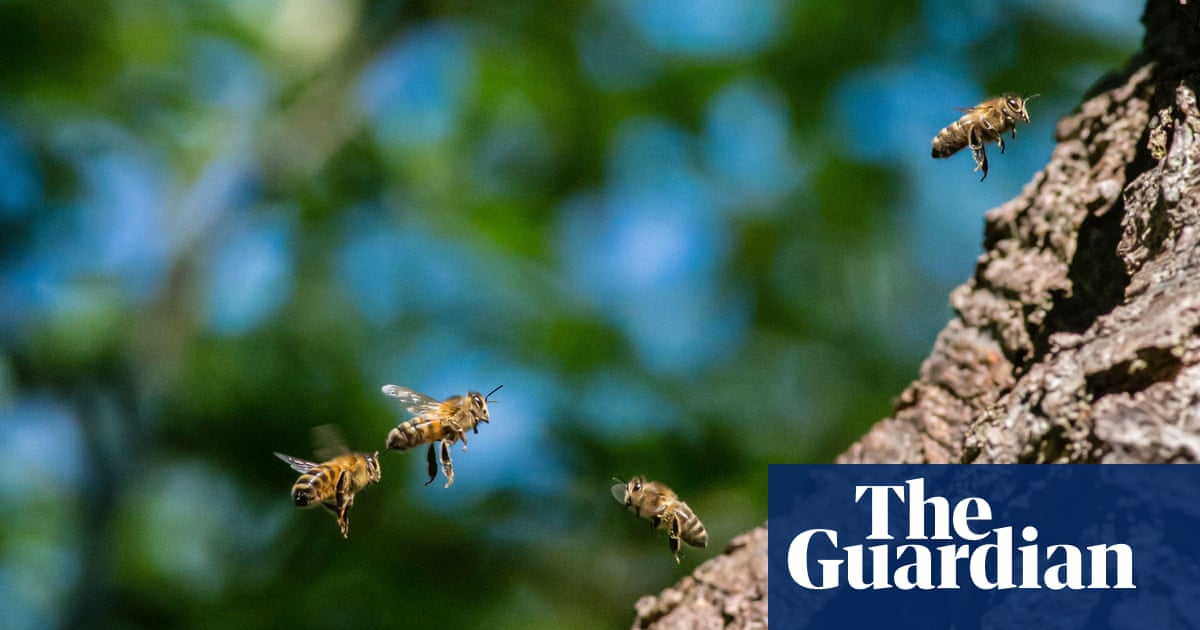
Nearly Half of Europe’s Wild Bee species Now Face Extinction, New Assessments Reveal
A new assessment reveals a dramatic surge in the number of wild bee species at risk of extinction across Europe, doubling in the last decade. The study, released alongside updated assessments for butterflies and a 2022 report on hoverflies, paints a dire picture of pollinator decline, threatening food security and ecosystem health across the continent. Currently, 45% of wild bee species are now considered threatened with extinction, up from 24% in 2013.
The escalating crisis stems from habitat loss – particularly the disappearance of flower-rich grasslands – alongside factors like pesticide use and climate change. These pollinators are vital for the reproduction of approximately 80% of wild plants and a important portion of crops, making their decline a critical issue for both environmental stability and agricultural production. The European Union has recently passed nature restoration legislation requiring member states to reverse pollinator decline by 2030, offering a potential pathway for recovery.
Martin Warren, a lead coordinator of the butterfly assessment, emphasized the urgency of the situation. “The biggest habitat for all these pollinators is flower-rich grassland and that is disappearing very fast across Europe as of all these factors,” he said.”The positive thing is that so many people care now and there’s a lot more awareness.”
The EU nature restoration legislation mandates that all member states reverse the decline in pollinators by 2030, requiring concrete action.Warren highlighted ”low-hanging fruit” solutions, such as farmers creating flower-rich margins around their fields, which could even enhance food production.
Jessika roswall, EU commissioner for environment, water resilience and a competitive circular economy, described the conservation status of wild bees, butterflies and other pollinators as “dire.” She stressed the need for “urgent and collective action,” noting the establishment of an EU-wide monitoring system based on the nature restoration regulation to track progress. “Now, we need to focus on implementation and cooperation with member states to protect our pollinators,” she said.
The assessments follow a 2022 Europe-wide assessment of hoverflies, which found that 37% of all hoverfly species in Europe are threatened with extinction. These findings underscore the widespread and accelerating decline of crucial pollinator groups across the continent.
