
NHS Cataract Surgery Costs Rise Due to IOL Choices, New Data Reveals
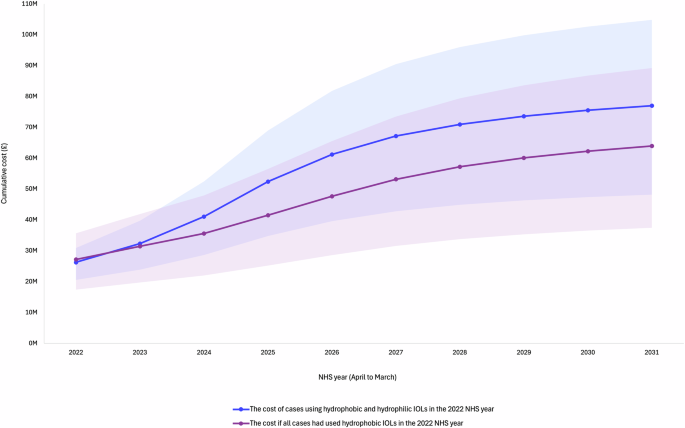
A new report from The Royal College of Ophthalmologists’ National Ophthalmology Database (NOD) study reveals critically important hidden costs associated with intraocular lens (IOL) choices during NHS-funded cataract surgery in England. Report 20, published in Eye in November 2023, demonstrates that while the overall cost of cataract surgery remains relatively stable, variations in IOL selection contribute to substantial financial discrepancies-potentially reaching £11.5 million annually.
the study, analyzing data from over 580,000 cataract surgeries performed between April 2018 and March 2023, highlights that the use of more expensive IOLs, notably those offering multifocal or toric correction, drives up costs without necessarily improving patient outcomes for all.This impacts the National Health Service budget and raises questions about equitable access to advanced lens technology, as well as the value proposition of these lenses given their associated costs. The findings underscore the need for standardized guidelines and informed consent processes to ensure appropriate IOL selection aligned with individual patient needs and visual goals.
researchers found that the average cost of cataract surgery, including the IOL, was £928. However, the cost varied significantly depending on the type of IOL used. Monofocal IOLs, providing clear distance vision, were the least expensive, while multifocal and toric IOLs-designed to correct astigmatism and reduce reliance on glasses-added substantially to the overall expense. The report estimates that if all patients received monofocal IOLs, the NHS could save approximately £6.8 million per year. Further savings, potentially reaching £11.5 million annually,could be realized by optimizing IOL utilization and reducing instances where more expensive lenses are used without clear clinical justification.
The NOD study also examined the incidence of Nd:YAG laser capsulotomy following cataract surgery,finding a rate of 14.2% overall. A separate population-based study, FreYAG1, published in BMC Ophthalmology in 2023, reported a similar incidence of 14.1% following cataract surgery, reinforcing the need for ongoing monitoring of post-operative complications and their associated costs. These findings, combined with the IOL cost analysis, paint a comprehensive picture of the economic burden of cataract surgery and the importance of evidence-based decision-making in optimizing resource allocation within the NHS.
