
Barcelona‘s Champions League Challenge: Addressing the Gaps
Barcelona, under Hansi Flick, has demonstrated flashes of brilliance, capable of overcoming formidable opponents like Real Madrid, Atlético, and Bayern Munich. However, recent Champions League exits - most notably the semifinal loss to Inter Milan and the quarterfinal defeat against PSG – reveal critical areas needing betterment if the club hopes to contend for a sixth European title. The core issues extend beyond tactical adjustments and point to physical conditioning, squad depth, and a reliance on key players.
A recurring theme in Barcelona’s setbacks has been conceding late goals. The team has dropped points in six matches due to goals scored in the final minutes.The Inter Milan defeat was notably painful, with Acerbi scoring in the 93rd minute and Frattesi in the 99th, extinguishing their Champions League final aspirations. Similar late collapses occurred in LaLiga against Atlético (Sorloth scoring twice in added time),Betis (Assane Diao in the 94th minute),and Celta (who overturned a 2-0 lead in the 84th and 86th minutes). The most recent instance was Gonçalo Ramos’s late goal for PSG at Montjuïc, resulting in a 1-2 defeat.
This pattern suggests a physical challenge when facing Europe’s elite.Flick’s high-pressing style, while effective, appears to exhaust the team, leaving them vulnerable in the closing stages. “In the second part you could see that some players were vrey tired,” Flick admitted after the loss to PSG. Injuries to key players – Gavi, Raphinha, Fermín, and Joan García – have exacerbated the issue, despite the return of Balde and lamine Yamal.The squad simply lacks the depth to consistently compete at the demanding European level.
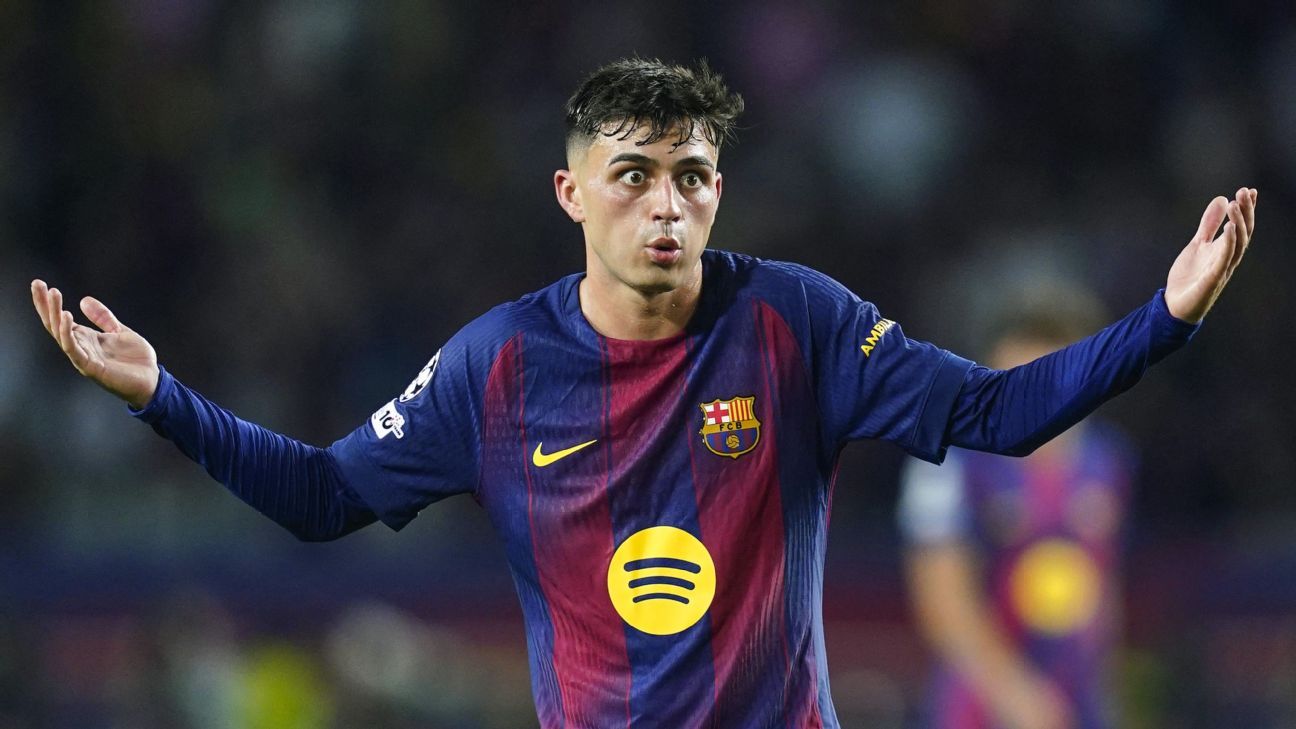
A significant factor contributing to this physical strain is the team’s dependence on Pedri. Flick rarely rotates the midfielder, recognizing his importance to the team’s rhythm. With Gavi sidelined due to injury, Barcelona lacks a reliable choice. Marc Bernal and Casadó are primarily suited for the pivot role, while Olmo and Fermín haven’t been consistently tested as interiors, and none currently replicate Pedri’s control and tempo. This reliance carries a clear risk: Pedri’s fatigue could prove detrimental in crucial moments.
Defensive vulnerabilities also persist. Eric García has been utilized as a versatile option across the backline, while Cubarsí struggles when deployed out of position. araujo and Christensen rotate in and out of the starting eleven, creating inconsistency. the advanced defensive line exposes the flanks,with a recently recovered Balde and Gerard Martín offering compliance but lacking consistent attacking threat. Furthermore, the team’s overall defensive pressure has diminished.Without Raphinha, the contributions of Lamine Yamal, Lewandowski, and Rashford in defensive recovery are limited. Dani Olmo doesn’t match Fermín’s intensity in midfield, and Gavi’s absence – described as leaving “a huge vacuum in the defensive transition” - is keenly felt.
Beyond tactical and physical concerns, Flick has emphasized the importance of collective spirit. “The ego kills success,” he stated after a 1-1 draw against Rayo Vallecano, highlighting the need for greater solidarity in both defensive and offensive phases. While barcelona’s individual talent can overcome lesser opponents, surpassing Europe’s giants requires maximum effort and collective commitment.
Ultimately, to truly challenge for the Champions League, Barcelona needs to address its physical limitations through increased squad depth, find reliable alternatives to Pedri, and solidify its defensive structure. Flick recognizes the potential within the squad, particularly with the emergence of Lamine Yamal, but these adjustments are crucial to transforming potential into tangible success on the European stage.
