
Tesla Valuation Questioned as US Electric Vehicle Subsidies End
NEW YORK - Concerns are mounting on Wall Street regarding Tesla’s high stock valuation following the expiration of federal tax credits for electric vehicle purchases this week. The removal of up to $7,500 in subsidies per vehicle, coupled with the loss of nearly $3 billion annually in carbon emission rights payments for Tesla, has prompted analysts to reassess the automaker’s future prospects.
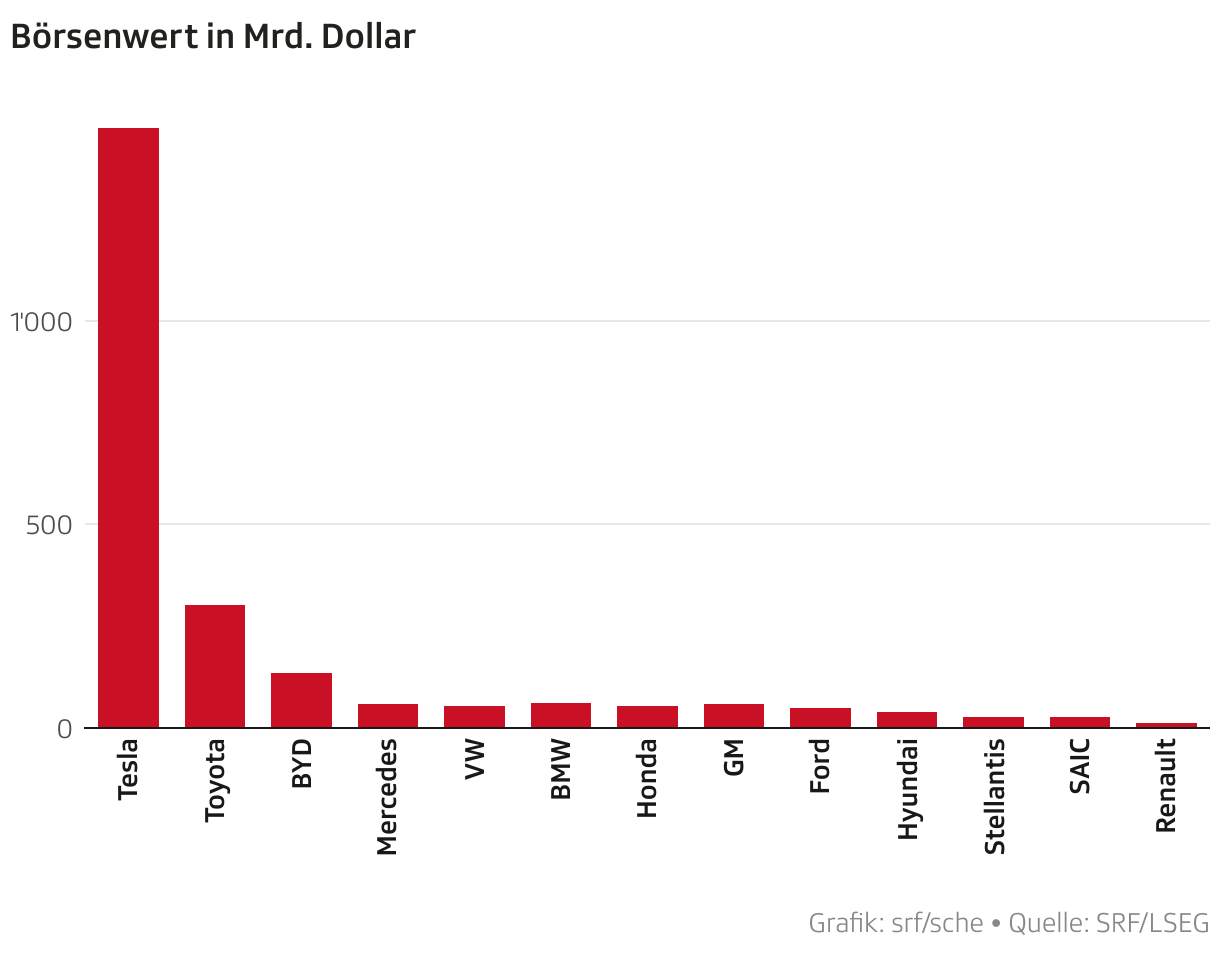
The shift in US policy arrives at a pivotal moment for the electric vehicle market and raises questions about Tesla’s continued dominance. Investors, consumers, and the broader automotive industry are now bracing for potential impacts on demand and profitability. The debate centers on whether Tesla’s current market capitalization-which exceeds that of all other major automakers combined-is sustainable without government incentives.
CFRA Research analyst Garrett nelson is among those voicing skepticism, issuing a $300 price target for Tesla stock, a 32% decrease from its current level. Nelson believes the market is underestimating the significance of the subsidy removal. “The stock is overrated,” he stated, signaling a potential correction as the reality of the new landscape sets in.
The end of the tax credits impacts not only Tesla buyers but also the company’s revenue stream. Previously, the subsidies incentivized EV adoption, bolstering sales figures. The loss of carbon emission rights payments further diminishes Tesla’s financial advantages. These developments are occurring as traditional automakers accelerate their own electric vehicle initiatives, intensifying competition within the sector.
