
Potato Industry Shifts to Primarily Contract-Based Supply
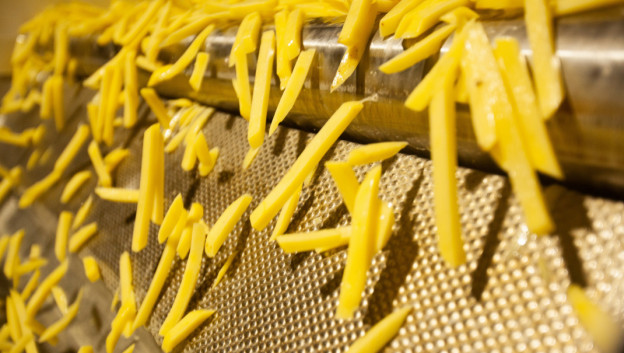
The French fry processing industry is currently demonstrating a reduced need for potatoes available on the open market, driven by a notable increase in contract cultivation and unexpectedly strong processing returns. This analysis examines the factors contributing to this shift.
Initially, processors aimed to expand contracted acreage. Though, a downturn in demand for finished fries lead to a halt in issuing new contracts.Despite this pause, the overall contracted area has increased compared to previous years, especially in Belgium and the Netherlands, where processors secured additional agreements.
This rise in contract farming directly impacts the demand for “free” potatoes – those not grown under contract. Historically, approximately 80% of potatoes were grown under contract, with the remaining 20% available for direct purchase. With contracted acreage now reaching around 89%, and possibly exceeding 90% in certain specific cases, the industry’s reliance on the open market has diminished.
Beyond supply agreements, processing efficiency is also contributing to the current situation. Early potato yields have been strong, with low failure rates. This has resulted in a processing efficiency of 58.2% in August, according to data from the VAVI trade association – a 2 percentage point advancement over the five-year average.
Despite a generally weak market sentiment, potato processing volume in August only decreased by 4.8% compared to the previous year. Furthermore, production of finished potato products, like Kromp (consumption potatoes), experienced a limited decline of just 2.5%, thanks to the higher processing returns.
These factors combined – increased contract cultivation and improved processing efficiency – indicate a robust, albeit evolving, supply chain within the French fry industry.
