
Rare Cancer Mimics Crohn’s, Delaying Diagnosis in Patient
BOSTON, MA – A case study published this month in The American Journal of Gastroenterology details a patient initially diagnosed with Crohn’s disease who was later found to have small bowel adenocarcinoma, a rare and aggressive cancer. The misdiagnosis, stemming from overlapping symptoms, highlights the challenges in differentiating between inflammatory bowel disease (IBD) and malignancy, perhaps delaying critical cancer treatment.
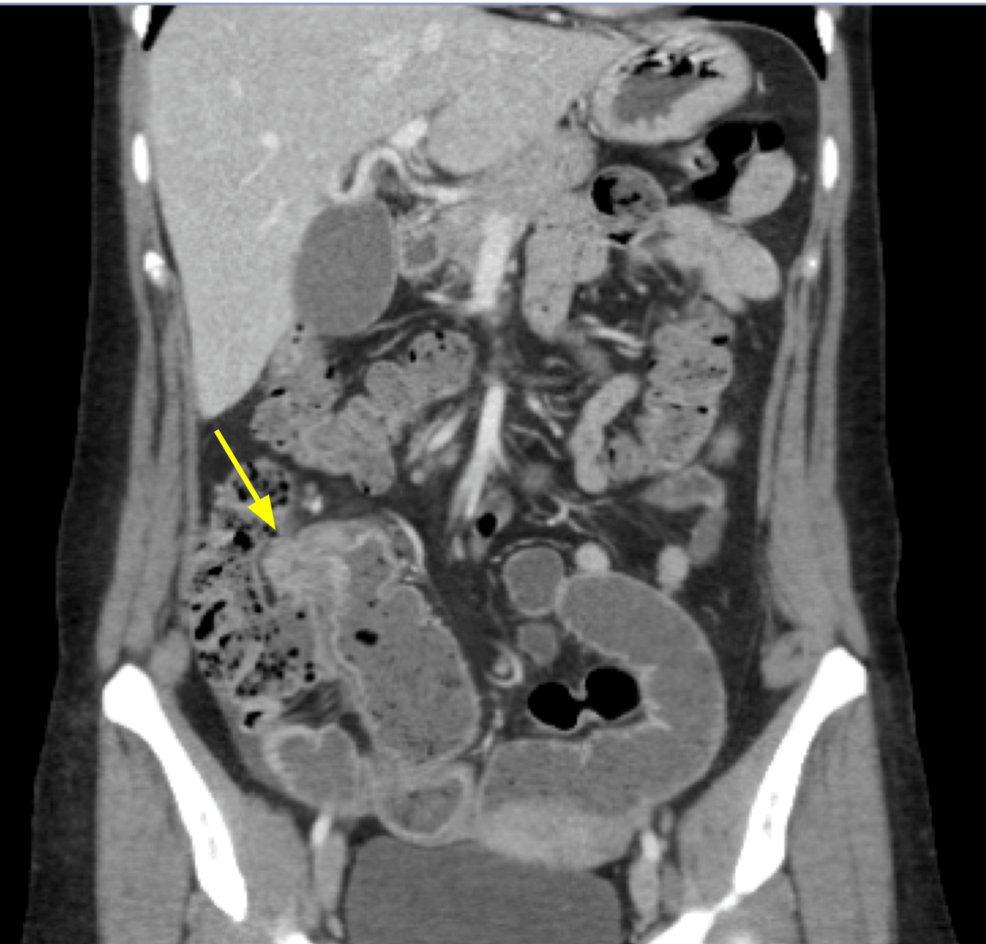
The patient, a 62-year-old male, presented with chronic diarrhea, abdominal pain, and weight loss – hallmarks of Crohn’s. Initial investigations,including colonoscopy and imaging,suggested IBD,and the patient was treated with corticosteroids and immunomodulators for over two years. Though, persistent symptoms and a lack of response to therapy prompted further investigation, ultimately revealing a tumor in the small bowel. “This case underscores the importance of maintaining a high index of suspicion for malignancy in patients with IBD who exhibit atypical features or fail to respond to conventional treatment,” explained Dr. Kyle Staller, a gastroenterologist at Massachusetts General Hospital and co-author of the study.
Small bowel adenocarcinoma accounts for less than 1% of all gastrointestinal cancers, making it notably challenging to diagnose.Symptoms frequently enough mimic those of more common conditions like Crohn’s disease, leading to diagnostic delays. The median survival rate for small bowel adenocarcinoma is poor, largely due to late-stage diagnosis. Researchers emphasize that while IBD increases the risk of colorectal cancer, the risk of small bowel adenocarcinoma is less well-established, requiring clinicians to consider it in the differential diagnosis, especially in cases of treatment-refractory disease. The study advocates for increased utilization of capsule endoscopy and double-balloon enteroscopy in patients with suspected Crohn’s disease to improve early detection of small bowel cancers.Further research is needed to identify biomarkers that can distinguish between IBD and small bowel adenocarcinoma,potentially leading to more accurate and timely diagnoses.
