
Britain‘s Lavish Trump Visit Yields Limited Gains on Policy
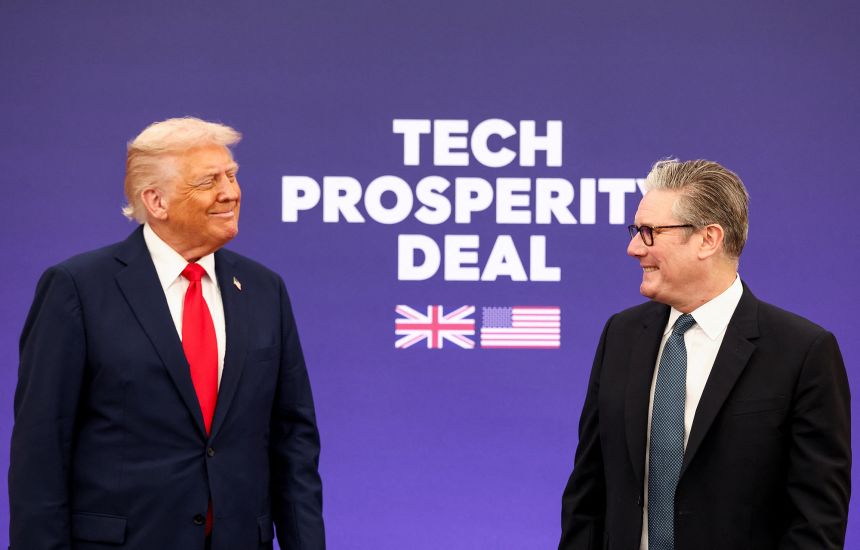
WASHINGTON – A state visit brimming with royal pageantry and diplomatic courtesy failed to yield ample policy concessions from President Donald Trump, leaving Britain with largely symbolic returns on its investment of pomp and circumstance. While the visit, concluding today, was largely devoid of public clashes, Prime Minister Keir Starmer secured no new commitments from the U.S. on key foreign policy priorities, including the war in Ukraine or future trade agreements.
The carefully orchestrated visit underscored Britain’s desire to strengthen ties with the U.S. despite Trump’s often unpredictable foreign policy and past criticisms of the UK. Though, the outcome highlights the challenges of translating personal rapport into concrete benefits, particularly as domestic political currents in Britain increasingly mirror Trump’s own populist rhetoric.
During the visit, Trump voiced disagreement with Britain’s planned recognition of a palestinian state later this month but refrained from forceful criticism of Starmer. He also stated that Russian President Vladimir Putin had “really let me down” regarding the conflict in Ukraine, but stopped short of pledging increased pressure on Moscow, conditioning further action on European nations ceasing their reliance on Russian oil and gas.
Meanwhile,the visit occurred against a backdrop of rising political influence for Nigel Farage,leader of the Reform UK party,who is currently polling ahead of Starmer’s Labor party. Farage’s platform, centered on a “Make Britain Great again” slogan and significant cuts to public spending, echoes Trump’s own populist appeal.
Trump’s advice on immigration – telling Starmer to “call out the military” to address illegal crossings – is highly likely to further energize Britain’s hard-right opposition, which has already been relentlessly attacking Labour’s immigration policies. While Starmer successfully navigated perhaps contentious issues during a joint news conference, he appeared visibly uncomfortable when pressed on immigration.
Ultimately, the state visit appears to have been a success in avoiding diplomatic pitfalls, but a missed possibility to secure tangible gains on trade and foreign policy. Britain may find itself with little to show for its efforts beyond a reaffirmation of the president’s stated fondness for the country.
