
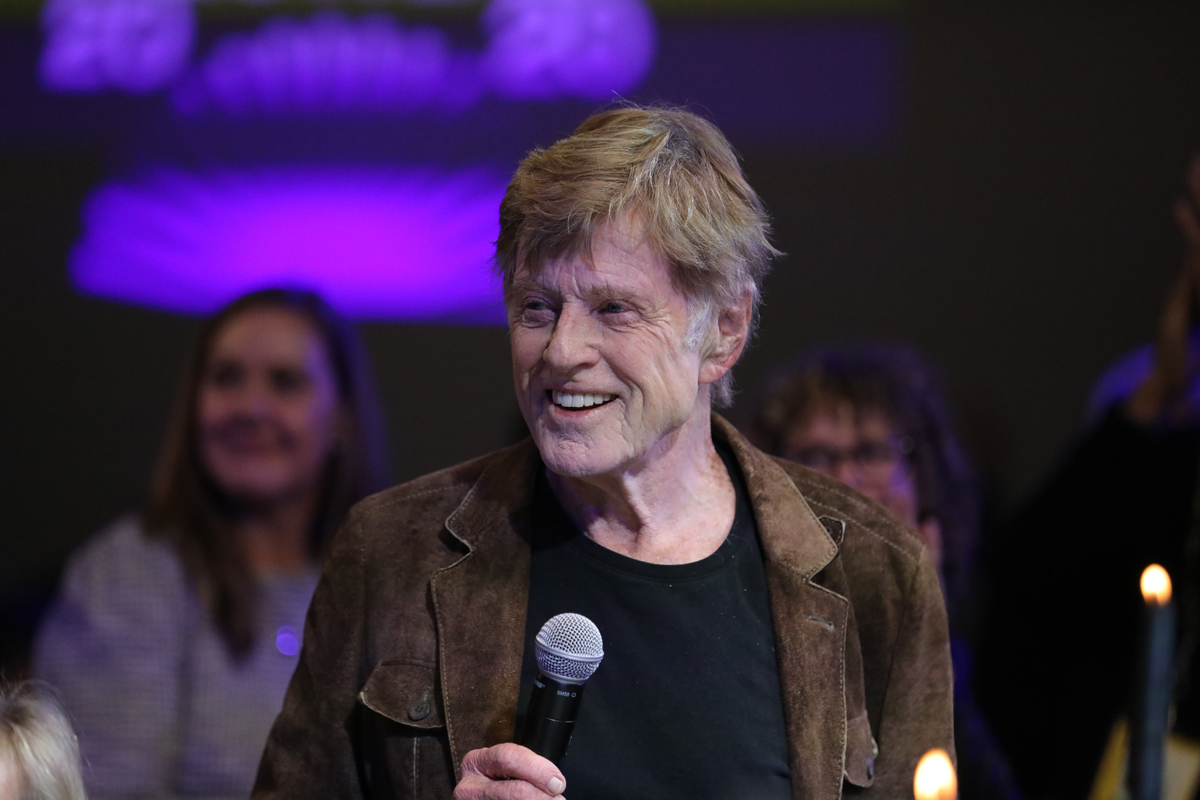
Robert Redford on the Power of Documentary Film
Robert Redford, founder of the Sundance Film Festival, has long championed documentary filmmaking, viewing it as a vital force for truth, cultural exchange, and even political action. His commitment dates back to his work wiht the Open Society institute, where he helped transition the Soros Documentary Fund to Sundance, expanding the festival’s support for filmmakers beyond simply showcasing finished projects. Sundance now also offers labs designed to nurture the creative development of documentary work.
Redford expresses little surprise at the growing success of documentaries,stating he has “always believed in these films.” He firmly believes documentaries serve as a crucial platform for addressing pressing political and urgent questions, aiming to establish Sundance as a “forum for cultural exchange and for political dialog.” He voices concern that public disengagement and “numbness” are hindering the search for truth, and argues documentaries, notably those focusing on personal narratives, often reveal that truth most effectively. Films like Born into Brothels, Hoop Dreams, and Super Size Me exemplify this power, acting as a “huge channel to get back to the truth.”
Redford acknowledges the potential for documentaries to inspire change, citing Al Gore’s An Inconvenient Truth as a prime example. He notes the film’s impact was amplified by its release coinciding with established scientific data regarding the environment, creating a moment where further study felt unnecessary. He believes documentaries provide a tangible way for people to engage with complex issues, offering a point of support and understanding that can ”galvanize people to political action,” though he clarifies it’s rarely a standalone catalyst.
Addressing the current political climate, Redford points to the heavy reliance on fear as a manipulative tactic, particularly by the current administration. He contrasts this with the post-9/11 response under President Bush,arguing the chance for national unity was quickly exploited for ideological gain. Redford views documentary film as a ”weapon against that kind of manipulation,” capable of exposing lies and their consequences, thereby empowering audiences.
Looking ahead, Redford anticipates continued growth in documentary film’s reach and theatrical success. He hopes to see increased theatrical distribution opportunities and a leveling of the playing field between documentaries and mainstream films. He also highlights a growing artistry within the documentary form itself, believing the combination of skillful filmmaking and compelling real-life stories holds immense potential.
