
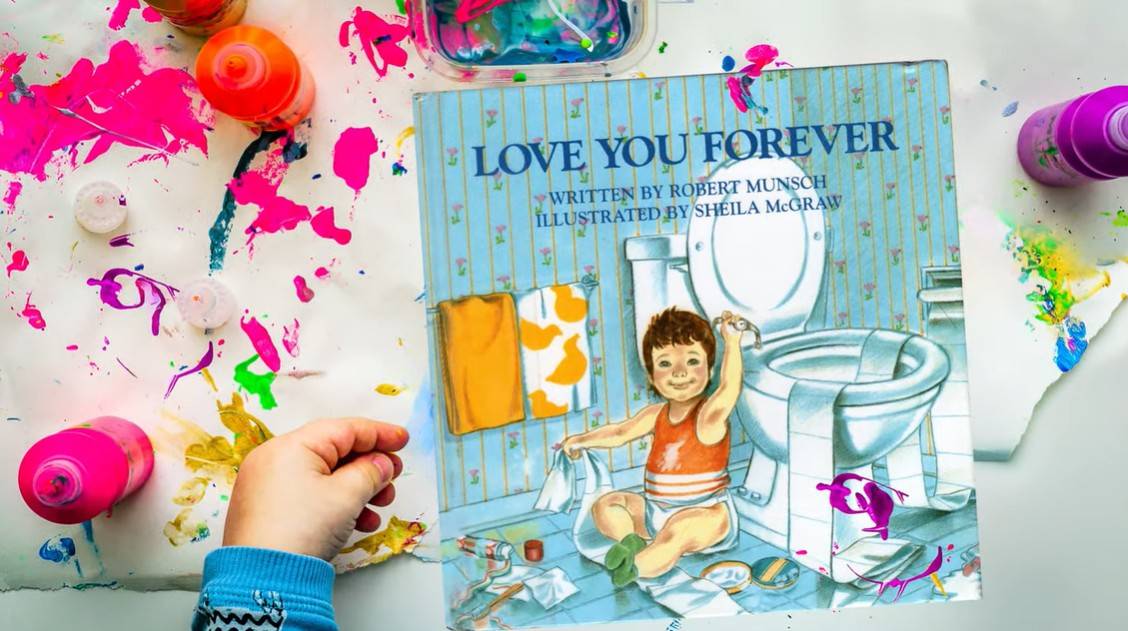
Robert Munch: Protecting the Magic Despite Personal Struggles
Robert Munch, a beloved author known for his playful and relatable children’s books, prioritized maintaining the joy of childhood in his work even as he battled meaningful personal challenges. He was lauded for his unique connection with young readers; one observer noted, “manch is listening to children more than any other author I have known.” Unlike many children’s books focused on strict moral lessons, Munch’s stories embraced the realities of childhood – birth parties, mishaps, and even humor surrounding bodily functions – elements children readily connected with.
Despite the delight his stories brought to others, Munch privately struggled with depression, bipolar disorder, and obsessive-compulsive disorder. He sought help,joining Alcoholics Anonymous in the 1980s and later receiving psychological treatment. Medication provided stability without stifling his creativity.
However, in later years, Munch faced relapses with alcohol and cocaine addiction. he resolutely shielded his books from these personal struggles, believing that “adult pain does not allow the destruction of the childhood world in his stories.”
In 2008, a stroke temporarily robbed him of his ability to tell stories, but speech therapy helped him recover and return to school visits.By 2021, he announced diagnoses of dementia and Parkinson’s disease.
The diseases progressively impacted his life, causing memory loss, confusion when reading, and physical instability. He became increasingly homebound, lamenting, ”My life is shrinking this way.” Most devastatingly,the conditions began to stifle his inventiveness. for decades, stories had flowed freely, but now, when he waited for inspiration, “nothing happens.”
A remarkable exception occurred in 2023 when a new story emerged inspired by two elderly sisters he knew, reimagined as mischievous figures causing chaos in a hospital. He spent several days writng and revising the story, guided by the imagined reactions of children. The result, Jump!, published in 2024, was his first new book in years, though he has not written anything since.
Munch remained aware of his declining health, wryly joking that he would become like a “turnip plant.” He openly discussed death with his grandchildren and applied for Canada’s medical assistance programme, stating he did not wish to continue living after losing his ability to communicate.
Despite the disease’s progression, his older stories remained vividly preserved in his memory. He could still recite Mortimer or The Princess with a Paper robe with the same energy and comedic timing that had captivated generations of children.
During one gathering, after discussing his illness, Munch spontaneously began to narrate Mortimer. His demeanor transformed, his voice adopting the “deep, similar to the voices of the police” tones that had become iconic. For a fleeting moment, the disease seemed to vanish, and Robert Munch was simply the storyteller, alive in his enduring words.
Source: The New York Times
