
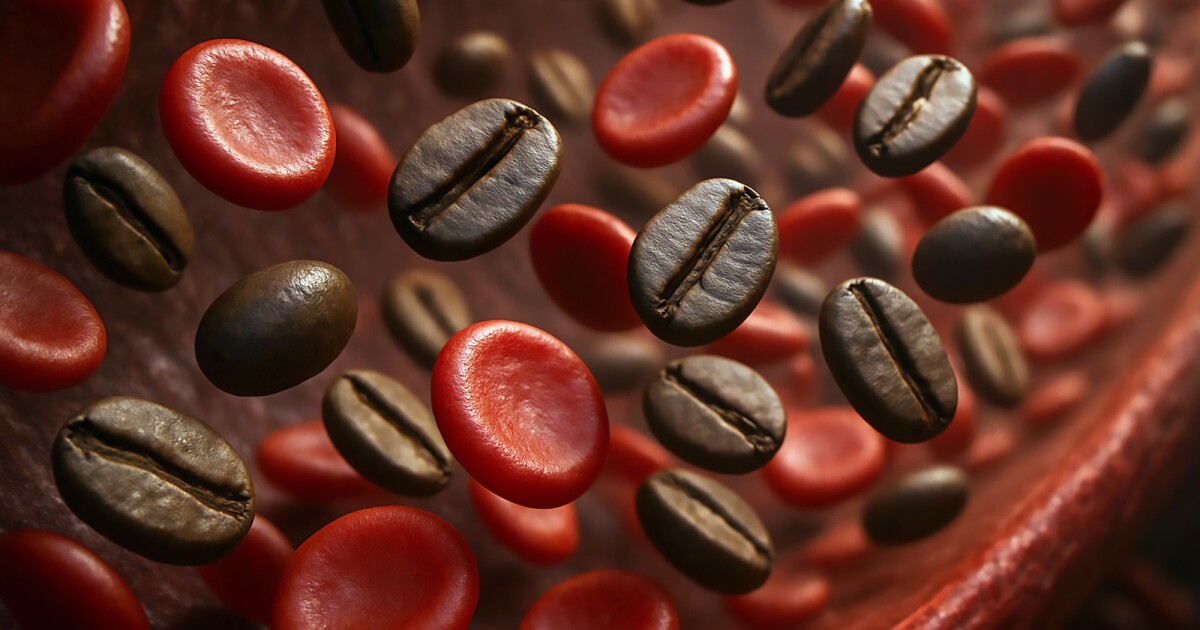
Caffeine consumption May Compromise Blood Transfusion Effectiveness, Study Finds
AURORA, CO – A new study from the University of Colorado Anschutz Medical Campus reveals that caffeine consumption by blood donors may negatively impact the quality of stored red blood cells (RBCs) and potentially reduce the effectiveness of transfusions. Published in the journal Haematologica,the research indicates caffeine can make RBCs more fragile,increase oxidative damage,and diminish their oxygen-carrying capacity.
Researchers discovered that caffeine appears to deplete RBCs of vital energy sources like ATP and 2,3-BPG. Transfusions utilizing blood from donors who had consumed caffeine resulted in smaller increases in hemoglobin levels in patients. The study also identified a link between caffeine’s effects and the ADORA2b gene, finding that individuals with certain genetic variants experienced even more pronounced negative outcomes when caffeine was present. In mice lacking ADORA2b,caffeine exacerbated existing RBC fragility by blocking ADORA2b signaling and directly inhibiting G6PD,reducing antioxidant protection.
“The translational implications of our findings are notable,” stated Dr. Alessandro D’Alessandro. “Donor caffeine consumption, a common dietary exposure for up to 75% of Americans, emerges as a modifiable behavioral factor potentially influencing RBC storage quality and transfusion outcomes.”
The research team suggests that temporary dietary modifications around the time of blood donation – limiting caffeine intake – could mitigate these negative effects, a practice already recommended by blood donation guidelines in several European countries.
While the study acknowledges limitations, including a small volunteer group for metabolic testing (eight individuals) and the age of the donor samples (approximately 10 years old), it proposes a future precision medicine approach to blood transfusions. This could involve matching donor lifestyle factors, such as caffeine habits, and genetic predispositions with recipient needs, potentially benefiting high-risk patients like newborns and the critically ill with blood from low-caffeine donors.
