
Summary of the Argentine Real Estate Market – Current Situation & Challenges
This article details the current state of the Argentine real estate market, highlighting a notable slowdown due to high interest rates and financing issues. Here’s a breakdown of the key points:
1. Mortgage Market Freeze & Limited Recovery:
* Government Credit Programme: A government credit program for mortgages had initially seen strong uptake (over 5,300 deeds in Buenos Aires between January-May, a massive increase), but disbursement of funds is now paused. Around 600 credits are expected to be paid soon, but new requests are on hold.
* bank Suspensions: Chubut Bank temporarily suspended its mortgage line, though it has sence been reactivated, but doubts remain about full accessibility.
* Impact on Renewal: The lack of accessible mortgage financing is disrupting the cycle of housing renewal, as buyers can’t easily access credit for purchases.
2. Construction Slowdown & Rising Costs:
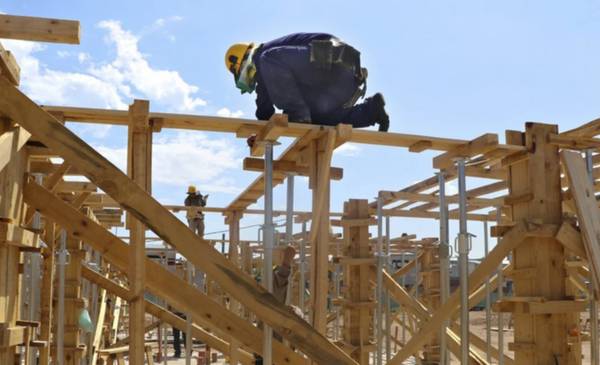
* Inactive Construction: Construction activity has slowed substantially due to the high interest rate policy.
* Input Costs: Construction input manufacturers report a decrease in sales (8.6% intermonthly fall in August, 5.5% year-on-year).
* Developer Concerns: Developers are facing rising costs in pesos due to devaluation and inflation, possibly leading to project postponements. They are attempting to mitigate this through increased imports and productivity adjustments.
* Profitability Decline: Developers are experiencing reduced profitability on new projects due to the gap between rising construction costs and limited price increases.
3. Price disparity Between New & Used Properties:
* Growing gap: The price difference between new (released) and used properties has doubled in the past year, exceeding 50%.
* New Construction Costs: Construction costs have risen 100% in the last 18 months, while property values have only increased by 15%.
* Used Property Demand: Used properties are becoming more expensive due to limited supply and the reliance on mortgage financing for sales.
* New Property Advantage: Experts suggest new properties are currently the “only cheap thing” in the market, as they may be priced in dollars and less affected by immediate cost pressures.
4. Market Trends & Future Outlook:
* used Property Slowdown: The used property market is experiencing slower growth,especially with excess supply.
* New Property Cost Stabilization: The cost of new construction is beginning to stabilize, falling below the general Consumer Price Index (CPI), partly due to increased imports.
* “Pozo” (Off-Plan) Departments: Prices for off-plan departments have risen 30% in dollars between January and May, but costs have increased by at least 70%, squeezing developer margins.
* Expectations: Real estate operators anticipate the price gap between new and used properties will narrow once the supply of used units diminishes.
In essence, the Argentine real estate market is currently facing a challenging period characterized by limited financing, rising costs, and a widening gap between the prices of new and used properties. The situation is heavily influenced by the government’s economic policies and the overall inflationary environment.
