
Durham Woman’s $250,000 Gift to Duke Health Launches New Grief Initiative
DURHAM, NC – A $250,000 donation from Durham native Rebecca Feinglos will establish the Susan and Mark Feinglos Grief Initiative at Duke Health, addressing a critical gap in care for patients and healthcare workers facing loss. The program, announced today, aims to improve grief support within the medical center, particularly in oncology.
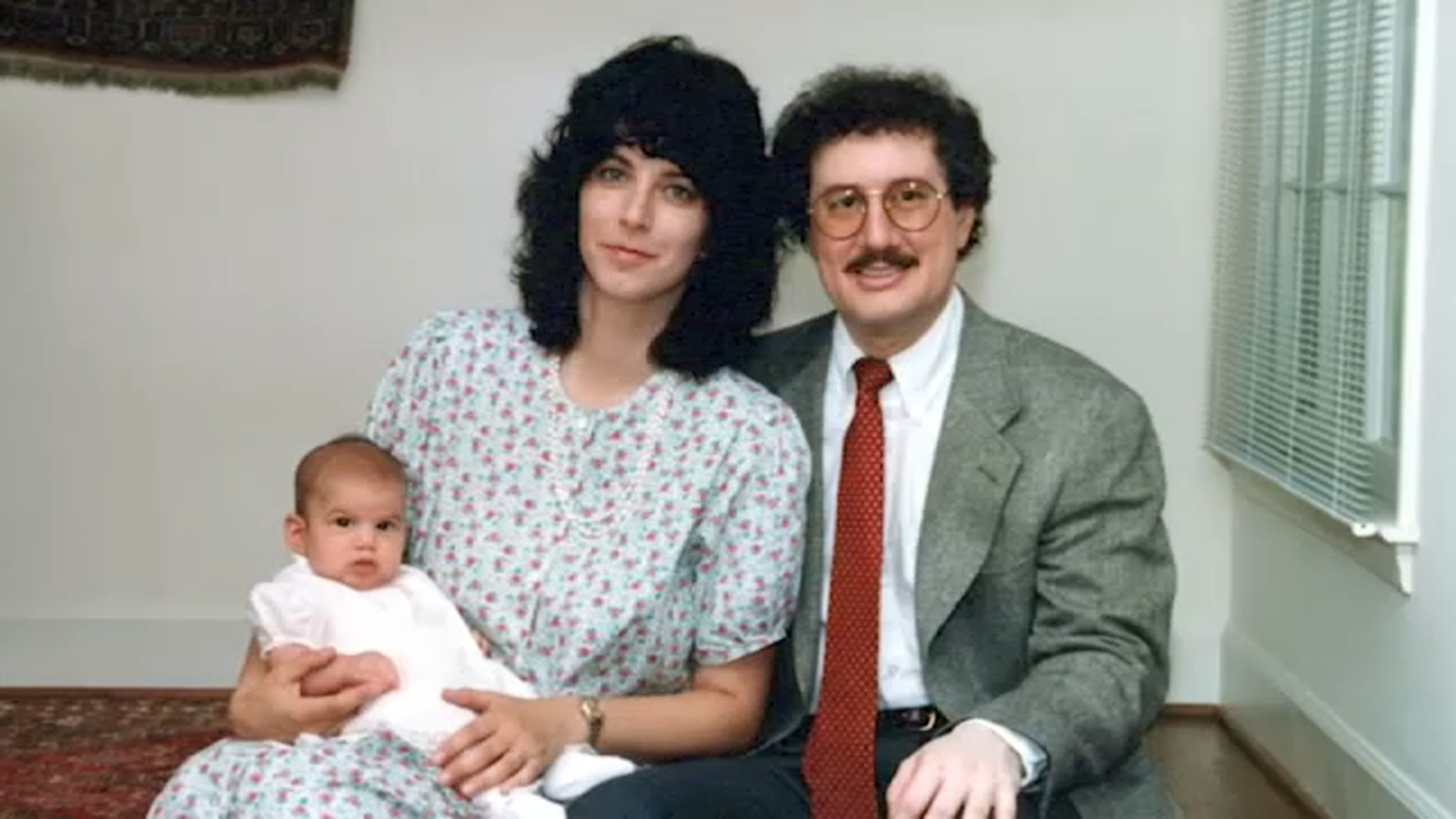
Feinglos created Grieve Leave after experiencing a lack of dedicated grief resources as an adult, and her gift is a direct response to that need. Both of her parents, Susan and Mark Feinglos, were employed by Duke Health. The initiative will be integrated into the Preston Robert Tisch brain Tumor Center’s work, with input from clinicians like dr. Henry Friedman, Deputy Director of the center, who treated Susan Feinglos.
“Any acknowledgment of struggle is perceived as weakness,” Feinglos explained.”I think we have to get out of that mindset as a society if we want to carry the heaviness of grief better. If we want to care for our mental health, we have to be able to hold it all.”
The need for enhanced grief support is particularly acute in fields like neuro-oncology, where Dr. Friedman noted a “staggering” burnout rate among staff. “The problem is that with the majority of patients dying, we get to a period where grief is a major issue and that we’re not nearly as prepared to deal with as we would like to be,” he said.
Friedman emphasized the transformative potential of the donation. “What (Rebecca) is doing is going to meet a need that has been unfulfilled for a very long time… addressing a need that’s missing and help an increasingly desperate number of patients who face this problem.”
The initiative seeks to balance hope with the reality of grief, allowing patients and families to acknowledge tough emotions without compromising their commitment to treatment. “We have to be able to say, yes, I’m going to do everything that I can to have a positive outlook… And let’s also get the support we need to recognize how scary this is. I just think we can hold both,” Feinglos stated. “When we view grief as this binary, either you’re hopeful or you’re grieving, I think that’s a mistake.”
