
Chikungunya cases Surge in Alpes-Maritimes, Antibes Hit Hardest
Antibes, France – Health authorities are battling a localized outbreak of chikungunya fever in the Alpes-Maritimes department, with 38 confirmed cases concentrated in Antibes, according to the regional health agency (ARS). The outbreak extends to neighboring municipalities including Cagnes-sur-Mer, La Gaude, and Auribeau-sur-Siagne, prompting intensive public health measures.
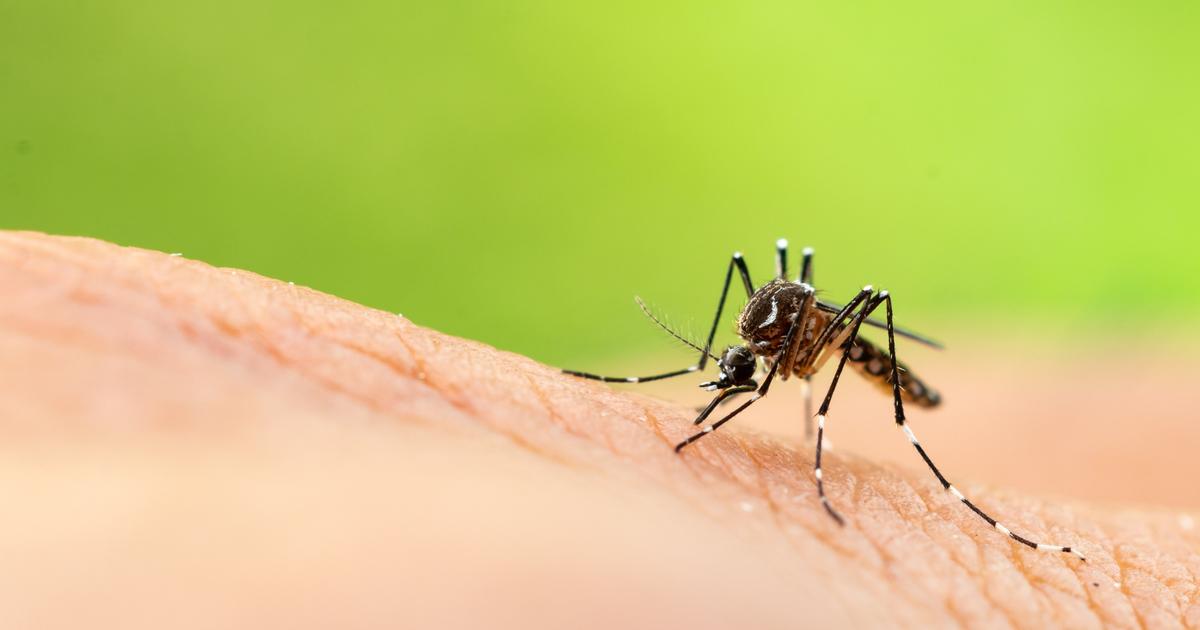
This surge represents an unprecedented level of transmission within mainland France, mirroring a national trend that has already surpassed 300 autochthonous cases this summer. Chikungunya,a mosquito-borne viral disease,causes fever and severe joint pain,and can lead to chronic complications.The ARS is prioritizing containment to prevent wider spread, particularly as the mosquito population remains active.
The ARS is conducting door-to-door surveys and field investigations in affected areas, working alongside France’s public health teams. Each confirmed case triggers individual contact tracing and targeted mosquito control efforts,known as demoustication,coordinated with the EID (Entente interdépartementale pour la Démoustication).”Crucial as thay are the ones who spot the symptoms of chikungunya in patients who go to consultation, who declare cases to ARS and who can mostly deliver the recommendations for the protection of bites to stop the chain of transmission,” stated the ARS, emphasizing the vital role of healthcare professionals in identifying and managing the outbreak.
To alert residents, the ARS PACA has launched localized communication campaigns, including geolocated SMS messages. Approximately 11,000 residents of Antibes received alert SMS messages on Thursday. Additional awareness initiatives include digital advertising and informational displays in pharmacies.
Alongside chikungunya, cases of dengue fever, also transmitted by mosquitoes, are also on the rise, with ten households-totaling 19 cases-affected in mainland France this summer, though still below the 66 cases recorded in 2024. Public health France continues to monitor both diseases closely.
