
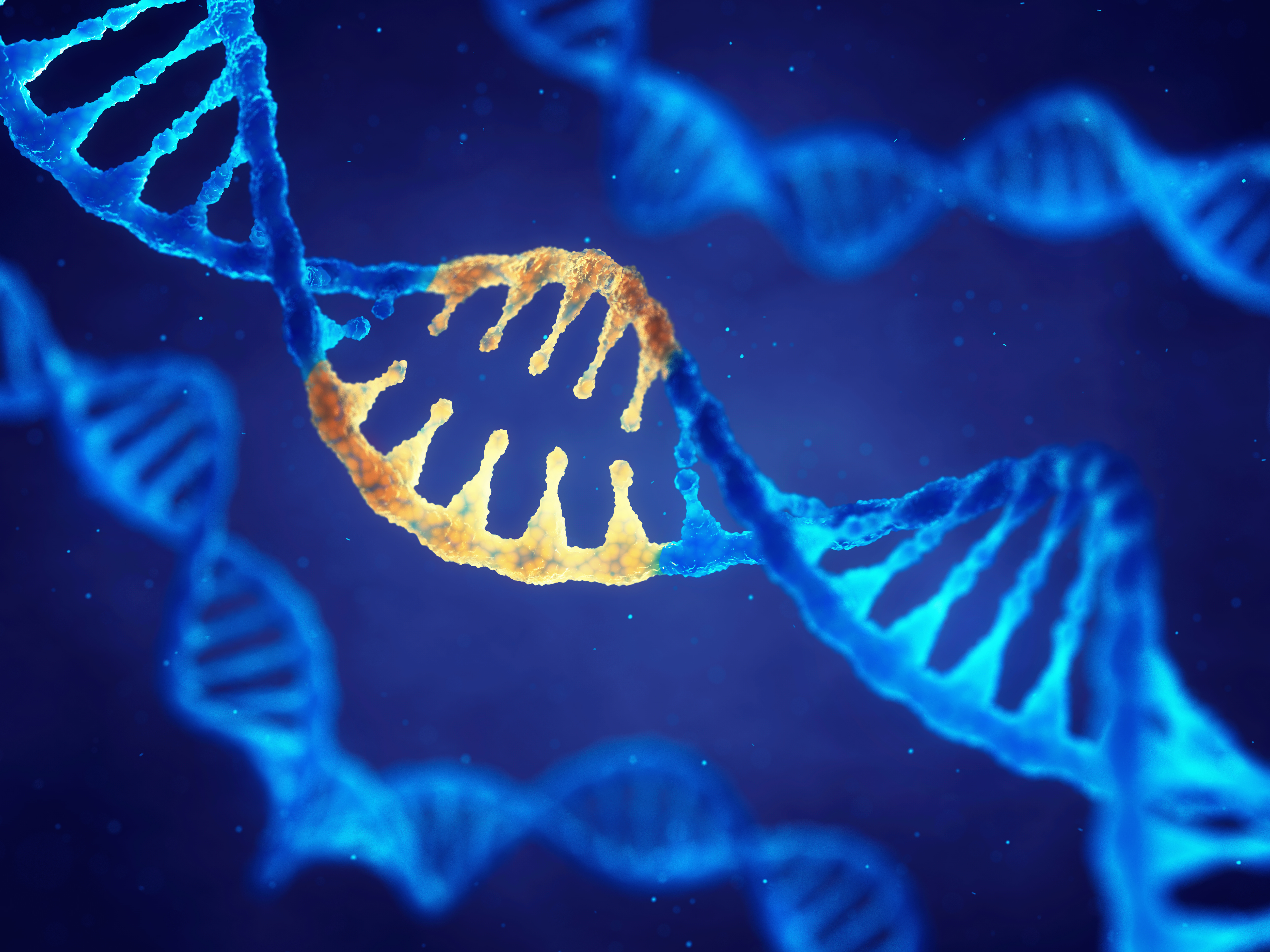
Large-Scale Study Links Rare Genetic Variants to increased Cancer Risk, Especially Multiple Cancers
DURHAM, NC – June 13, 2024 – A new study of over 183,000 individuals in the UK has revealed a notable association between rare pathogenic variants in 16 genes and an increased risk of cancer, notably the growth of multiple primary cancers. Published recently, the research builds upon existing knowledge from family-based studies, offering a broader population-based perspective on inherited cancer risk.
Researchers at duke University School of Medicine, analyzing data from the UK Biobank – a large-scale biomedical database containing whole-exome sequencing data of 200,000 genomes – found that individuals carrying rare variants in genes including ATM, BRCA1, BRCA2, and PALB2 were nearly twice as likely to receive a cancer diagnosis (Odds Ratio [OR] = 1.87; 95% Confidence interval [CI] = 1.76-1.98). Critically, the risk of developing multiple primary cancers was even more pronounced, more than doubling for those with these genetic variants (OR = 2.56; 95% CI = 2.18-2.99).
The study focused on 11 common solid tumors: bladder, breast, central nervous system, colorectal, lung, melanoma, ovarian, pancreatic, prostate, renal, and thyroid. Participants, aged 40-69 at enrollment, were all of White ethnicity due to insufficient depiction of other racial and ethnic groups within the dataset.
Among the 183,627 participants, 25,824 had received at least one cancer diagnosis by March 2024, with the median age at diagnosis being 62 years for those with cancer versus 57 years for those without. The research team confirmed previously established gene-cancer associations and also identified potential new links, notably between BRCA2 and bladder and lung cancers – cancers not traditionally strongly associated with this gene.
“We’ve now implicated some potential cancers that patients may be at risk for, which is different than what we’re seeing during family-based studies,” explained Dr. Jeffrey Shevach, Assistant Professor in the Department of Medicine at Duke University School of Medicine and first study author. “As we uncover new gene-cancer associations,it may lead to changes in screening guidelines to reflect this broader understanding of inherited risk.”
The study highlights the importance of population-based genetic studies in refining risk estimates initially identified through family history. Researchers found carrier rates for these rare pathogenic variants were 6.28% among individuals with at least one cancer diagnosis and 8.36% for those with multiple cancer diagnoses.
This research, funded by the National Institutes of Health, represents a significant step towards personalized cancer risk assessment and potentially, more effective early detection strategies. Further details and full author disclosures are available at
