
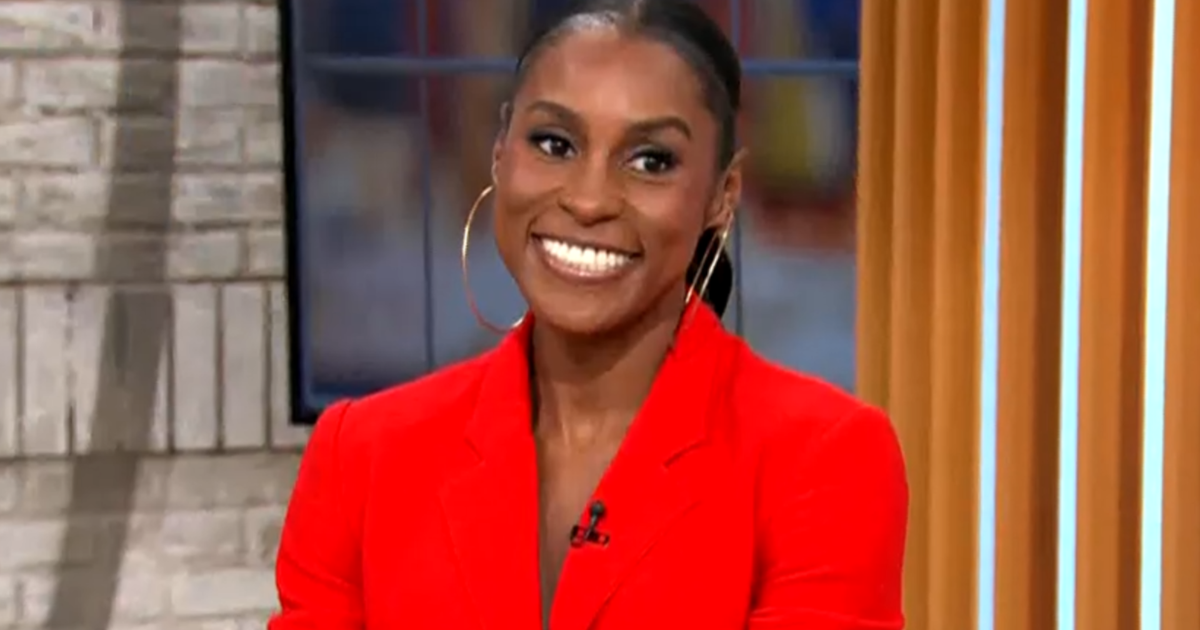
Issa Rae Highlights Declining Black Depiction in Television in New HBO Documentary
Los Angeles – actress and producer Issa Rae asserts that Black characters and shows are facing a new period of limited visibility in television and media, a concern explored in the upcoming HBO documentary, “Seen and Heard: The History of Black Television,” debuting September 9th on HBO and HBO Max. Rae contends that the current media landscape, driven by a pursuit of the broadest possible audience, often defaults to prioritizing White representation.
While acknowledging the gains made during the rise of cable television – a period that saw the success of broadly appealing shows like “Family Matters” and ”the Fresh Prince of Bel-Air” – Rae explained that networks, seeking to maximize viewership amidst increasing competition from niche cable channels, often equate “broad” with “White.” This dynamic,she suggests,creates a perception that shows centering Black experiences may inherently limit their audience reach.
The documentary also emphasizes the critical importance of diversity behind the camera. Rae noted that authentic representation extends beyond casting, impacting even minute details of production. “It makes such a difference when you’re thinking about something as small as set design,” she said, citing examples of inaccurate depictions of Black characters’ personal spaces. “I’ve seen that just even on my own productions and watching movies. Sometimes you’ll watch a movie and you’ll see a Black character’s bedroom,and you’ll be like ‘they would never,what? They would never have that.'”
Rae further elaborated on the significance of these details, extending to character’s clothing and hairstyles, stating, “I don’t want to be taken out of a story. If I’m immersed, like those small details really, really matter.” She expressed a sense of pride in creating work that reflects a deep understanding of the Black experience.Despite the challenges, Rae remains optimistic about the future of Black representation in media, particularly given the opportunities presented by the digital era. “It’s another time that I’m confident we’ll get through,” she said. “There’s so many opportunities in the digital era and that’s where I came from. I find hope in knowing that I can create. If I want to tell a story I’m going to tell a story nonetheless.”
