
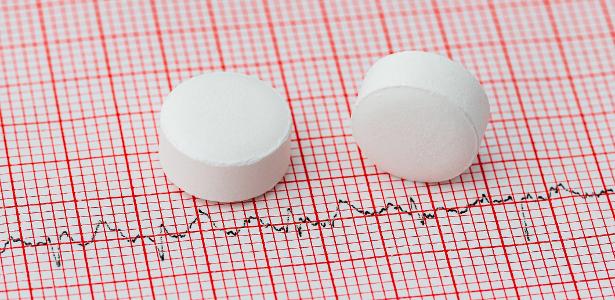
New Research Highlights Risks of Early Aspirin Discontinuation After Heart Attack
Heart attacks remain the leading cause of death in Brazil, with an estimated 300,000 to 400,000 cases occurring annually, resulting in a fatality rate of approximately one in five to seven cases. A recent, high-quality study conducted by researchers at Einstein, utilizing a robust sample size – a first of its kind – reinforces the critical importance of continued antiplatelet therapy, specifically aspirin, following a heart attack.
A heart attack occurs when a blood clot, or thrombus, abruptly blocks a coronary artery, halting blood flow to the heart. As explained by study participant Pedro Lemos, ”The thrombus forms abruptly and abruptly prevents the passage of blood, ready, has the infarction.” Following procedures like stent angioplasty to clear these blockages, preventing new clot formation is paramount. Medications commonly referred to as “blood thinners,” technically known as platelet antiaggregates, are essential for maintaining open vessels and preventing further complications.
Current standard post-heart attack treatment involves a “dual antiplatelet therapy” (DAPT) – a combination of aspirin and a more potent antiplatelet drug like Prasgrel or Ticagrelor – for a period of 12 months. While effective in preventing re-blockage and other cardiovascular events, this dual therapy inherently increases the risk of bleeding, ranging from minor issues like nosebleeds and bruising to more serious events like gastrointestinal or brain hemorrhages.
Traditionally, after the 12-month DAPT period, the stronger antiplatelet medication is discontinued, leaving patients on aspirin for life. However,the new research underscores the dangers of prematurely stopping all antiplatelet medication,even aspirin,soon after a heart attack. The study’s findings suggest that discontinuing aspirin too early considerably elevates the risk of subsequent cardiovascular events, outweighing the potential benefits of reduced bleeding risk.
This research emphasizes that while managing bleeding risks associated with antiplatelet therapy is critically important, maintaining some level of platelet inhibition – particularly with aspirin – is crucial for long-term survival and preventing recurrent heart attacks.
