
Real Estate Grão-Pará Declares Insolvency in Lisbon
Table of Contents
Lisbon, Portugal – Real Estate Grão-Pará formally initiated insolvency proceedings with the Lisbon District Court on Friday, August 22nd. The once publicly traded company announced the decision following a shareholder deliberation held on July 23rd.
Years of Financial Strain
The insolvency filing culminates a prolonged period of financial difficulty for Grão-Pará, spanning over fifteen years. Despite a brief respite last year-reporting a profit of €617.7 thousand due to the reversal of an impairment-the company consistently struggled with losses.This reversal, though, proved insufficient to alter the long-term trajectory.
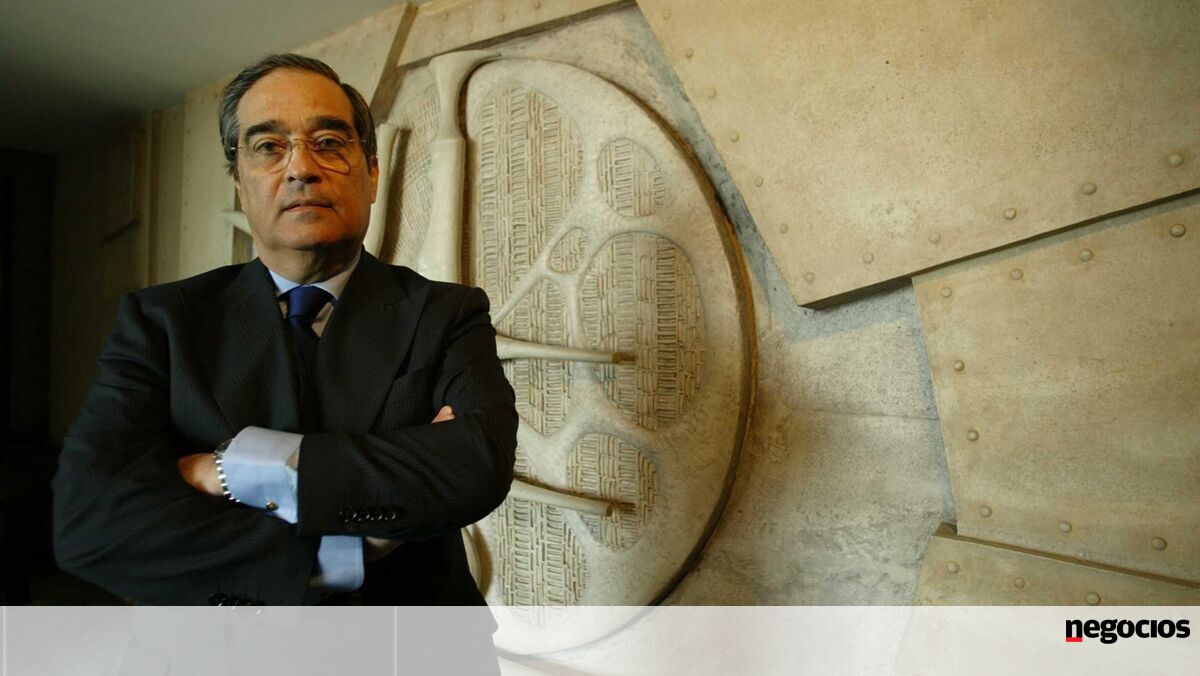
During the July shareholder meeting, company leadership, spearheaded by Abel Pinheiro, revealed that Grão-Pará had ceased active operations. The firm’s continued existence relied solely on loans extended by Pinheiro and his family, totaling nearly €2 million. this unsustainable financial arrangement prompted the decision to pursue insolvency rather than attempt a recovery plan.
did You Know? Insolvency proceedings in Portugal, as outlined by the Insolvency Code, aim to restructure or liquidate a company’s assets to satisfy creditors.
Future Outlook: Liquidation Expected
Given the company’s lack of operational activity and the absence of a viable recovery strategy, liquidation is the anticipated outcome. The proceedings will likely involve the sale of remaining assets to settle outstanding debts.
Key Financial Timeline
| Date | Event |
|---|---|
| July 23 | Shareholders vote to pursue insolvency. |
| August 22 | Insolvency filing submitted to the Lisbon District Court. |
| Prior to 2023 | Consistent years of financial losses. |
| 2023 | Reported profit of €617.7 thousand due to impairment reversal. |
Pro Tip: Understanding a company’s financial history is crucial when assessing the implications of insolvency. Reviewing annual reports and financial statements can provide valuable insights.
What long-term impacts will this insolvency have on the Portuguese real estate market? And how will this affect creditors and stakeholders involved with Grão-Pará?
Contextual Background: Portuguese Real Estate Trends
The Portuguese real estate market has experienced significant fluctuations in recent years, influenced by factors such as tourism, foreign investment, and economic conditions. The Golden Visa program, for example, has attracted substantial foreign capital, impacting property prices in key urban areas. However, rising interest rates and global economic uncertainty pose challenges to the sector’s continued growth.
Frequently Asked Questions
- What does insolvency mean for Real Estate grão-Pará? It signifies the company is unable to pay its debts and is entering a legal process to restructure or liquidate its assets.
- What happens to creditors of Grão-Pará? Creditors will likely participate in the insolvency proceedings to attempt to recover outstanding debts.
- Was there any attempt to save the company? Leadership indicated that a recovery plan was not feasible given the company’s financial state and lack of operations.
- What role did Abel Pinheiro play in the company’s downfall? He and his family provided loans to keep the company afloat, but this proved unsustainable.
- What is the likely outcome of the insolvency proceedings? Liquidation of the company’s assets is the most probable outcome.
We invite you to share yoru thoughts on this developing story in the comments below. Don’t forget to subscribe to our newsletter for the latest updates and insightful analysis from world-today-news.com!
