
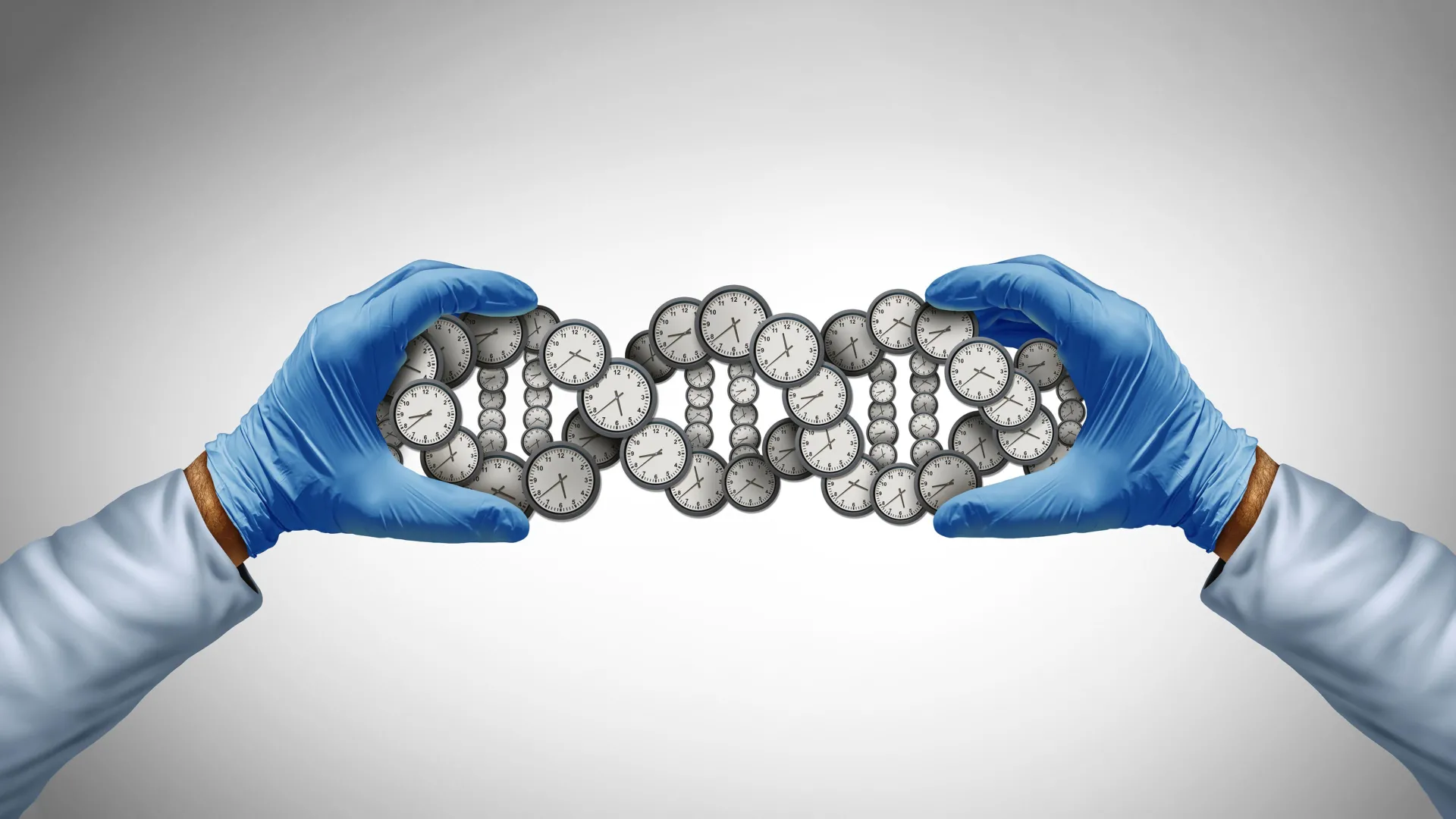
Genetic Keys to Healthy Aging: New Study uncovers Over 400 Influential Genes
Boulder, Colorado – A landmark study led by the University of Colorado Boulder has pinpointed over 400 genes associated with the pace of aging, offering a deeper understanding of why some individuals remain robust well into their 90s while others experience age-related decline much earlier. Published this month in the prestigious journal Nature Genetics, the research provides a crucial foundation for developing targeted interventions to promote healthy aging and combat frailty.
Understanding the Complexities of Frailty
The study focuses on “frailty,” defined as a state of multisystem physiological decline common with age. currently, over 40% of U.S. adults aged 65 and older are considered frail. Conventional frailty assessments rely on a 30-point index evaluating factors like walking speed, grip strength, existing illnesses, and social engagement. However, researchers noted a critical limitation: individuals with the same frailty score can exhibit vastly different symptoms.
“Two peopel can receive the same high frailty score, yet one might be cognitively sharp but physically limited, while the other maintains physical health but struggles with memory,” explained Isabelle Foote, the study’s first author and a postdoctoral researcher at CU’s Institute for Behavioral Genetics. “This lack of specificity hinders effective medical recommendations and scientific examination into the root causes of unhealthy aging.”
Did You Know? Frailty isn’t simply the presence of disease; it’s a distinct state of increased vulnerability to stressors.
Genome-Wide Association Study Reveals Genetic Links
To address this complexity, the research team conducted a genome-wide association study, analyzing DNA and health data from hundreds of thousands of participants in the UK Biobank and other public datasets. This analysis aimed to identify genetic variations associated with 30 distinct frailty symptoms. The investigation substantially expanded the known genetic landscape of aging, identifying 408 genes linked to accelerated aging and frailty – a ample increase from the previously known 37 genes.
| Frailty Subtype | Associated Genes (Examples) | Key Functions |
|---|---|---|
| Disability | Multiple genes involved in muscle function and skeletal health | Physical mobility and strength |
| Poor Cognition | SP1 | Immune function, Alzheimer’s disease risk |
| Metabolic Problems | FTO | Obesity, insulin resistance |
| Multiple Diseases | Genes related to inflammation and immune response | Chronic disease susceptibility |
Distinct Genetic Profiles for Different Frailty Types
The study revealed that different groups of genes underlie different manifestations of frailty. Specific genes were strongly associated with particular subtypes, including disability, cognitive decline, metabolic issues, multiple diseases, unhealthy lifestyle factors, and limited social support. Such as, the SP1 gene, known for its role in immune function and Alzheimer’s disease, showed a strong connection to cognitive impairment. conversely, the FTO gene, linked to obesity, appeared to contribute to several categories of unhealthy aging.
“This research doesn’t just identify facets of disordered aging; it demonstrates that distinct biological processes underpin them,” stated senior author Andrew Grotzinger, assistant professor of psychology and neuroscience at CU Boulder. “The next crucial step is to understand how to target these underlying biological mechanisms.”
Pro Tip: Maintaining a healthy lifestyle – including regular exercise,a balanced diet,and social engagement – can positively influence gene expression and mitigate some age-related risks.
The Future of Anti-Aging Therapies
The authors suggest that clinical assessments of frailty should be expanded to incorporate these six subtypes,allowing for more tailored interventions. A diagnosis of cognitive frailty could prompt therapies to prevent dementia, while metabolic frailty could trigger strategies to prevent diabetes or heart disease. Researchers also envision a future where individuals receive a “polygenic risk score” providing personalized insights into their predisposition to specific forms of unhealthy aging.
While a single “anti-aging pill” remains unlikely,Grotzinger suggests that targeted therapies addressing specific packages of age-related issues – such as metabolic or cognitive decline – are a more realistic prospect. This aligns with the “geroscience hypothesis,” which posits that treating aging itself is key to addressing multiple chronic illnesses ([[[[The biology of Aging and the Path Toward Healthy and Successful Longevity, National Academies Press, 2020).
What role do you think genetics plays in your own family’s longevity? How might personalized medicine change the way we approach aging?
Evergreen Context: The Growing Field of Geroscience
The study builds upon decades of research in geroscience, a rapidly expanding field dedicated to understanding the biological mechanisms of aging. Increasingly,researchers are focusing on hallmarks of aging - such as genomic instability,telomere attrition,and cellular senescence – as potential targets for intervention. The global population is aging at an unprecedented rate, making research into healthy aging more critical than ever. According to the World Health Organization, the proportion of the world’s population over age 60 is projected to nearly double by 2050 ([[[[Ageing and Health, World Health Organization, 2023]).
Frequently Asked Questions About Genetic Aging
- What is frailty? Frailty is a state of increased vulnerability to stressors, characterized by a decline in multiple physiological systems.
- Can genetics determine how long I will live? Genetics plays a significant role, but lifestyle factors also have a substantial impact on longevity.
- Is there a way to test my genetic predisposition to frailty? Polygenic risk scores are being developed to provide personalized insights into aging risks.
- Will there ever be a pill to stop aging? A single ”anti-aging pill” is unlikely, but targeted therapies for specific age-related issues are a promising area of research.
- How can I improve my chances of healthy aging? Maintaining a healthy lifestyle, including exercise, diet, and social engagement, is crucial.
this groundbreaking research offers a vital step toward understanding the complex interplay between genes and aging. As we continue to unravel these genetic mysteries, the prospect of extending healthspan - the period of life spent in good health – becomes increasingly attainable.
We encourage you to share this article with your friends and family,and join the conversation in the comments below. Don’t forget to subscribe to our newsletter for the latest updates on health and wellness!
