
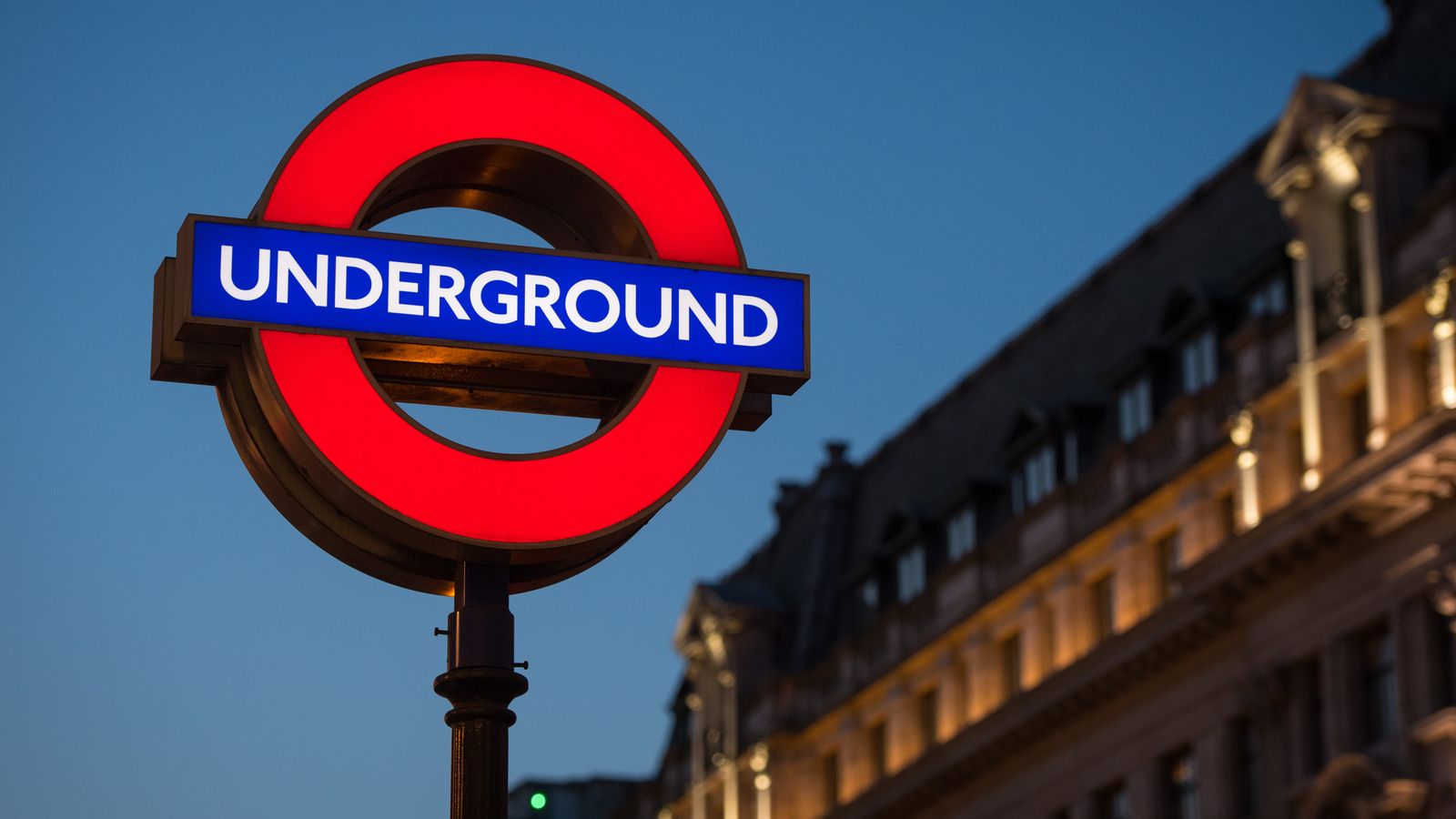
London Underground Strikes Planned: Workers Dispute Pay and Conditions
Londoners face notable travel disruption next month as workers on the London Underground prepare for seven days of strike action.The Rail, Maritime and Transport (RMT) union announced that its members will initiate industrial action beginning September 5, escalating a long-running dispute over pay, fatigue management, and shift patterns.
Dispute Details and Union Demands
The RMT asserts that London Underground (LU) management has failed to adequately address concerns regarding pay, the intensity of shift work, and the need for reduced working hours. Union General Secretary Eddie Dempsey emphasized the dedication of Tube workers, stating, “Our members are doing a fantastic job to keep our capital moving and work strenuous shift patterns to make sure Londoners get to their destinations around the clock.”
Dempsey further explained that the issues extend beyond compensation,encompassing concerns about staff wellbeing. “They are not after a King’s ransom, but fatigue and extreme shift rotations are serious issues impacting on our members’ health and wellbeing – all of which have not been adequately addressed for years by LU management,” he said. outstanding issues related to staff travel arrangements have also contributed to a growing atmosphere of distrust.
Did You Know? …
The RMT represents over 83,000 transport workers across the United Kingdom, making it one of the largest trade unions in the country.
Docklands Light Railway Also Affected
The industrial action isn’t limited to the Underground. RMT members employed on the Docklands light Railway (DLR) will also strike, beginning the week of September 7, adding to the potential for widespread disruption across London’s transport network. This parallel dispute centers on similar concerns regarding pay and working conditions.
Transport for London’s Response
A spokesperson for Transport for London (TfL) acknowledged ongoing discussions with the RMT, stating, “We regularly meet with our trade unions to discuss any concerns that they may have, and we recently met with the RMT to discuss some specific points.” TfL has offered a 3.4% pay increase and claims to have made progress on previously agreed-upon commitments.
However, TfL firmly opposes the RMT’s demand for a reduction in the standard 35-hour working week, deeming it “neither practical nor affordable.” The spokesperson urged the RMT to present the current pay offer to its members and to continue negotiations rather than proceed with strike action, which they predict will significantly inconvenience London commuters.
pro Tip: …
During periods of strike action, consider choice transportation methods such as buses, cycling, or walking, and allow for extra travel time.
Key dates and Action Timeline
| Date | Action | Affected Service |
|---|---|---|
| September 5 | Strike Begins | London Underground |
| Week of September 7 | Strike Begins | Docklands Light Railway |
The Broader Context of UK Industrial Action
These planned strikes are part of a wider trend of industrial action across the United Kingdom, driven by the ongoing cost-of-living crisis and concerns over real-terms pay cuts. According to the Office for National Statistics,real wages have been declining in the UK since 2022 [[1]]. This has fueled demands for higher pay from workers in various sectors, including transport, healthcare, and education.
What impact do you anticipate these strikes will have on London’s economy and daily life? How can TfL and the RMT reach a mutually acceptable resolution?
Background and Trends in Transport Strikes
Industrial action on the UK’s railways and transport networks has a long history, frequently enough linked to issues of pay, working conditions, and modernization. The privatization of British Rail in the 1990s introduced new complexities to labor relations within the sector. Recent disputes reflect broader economic pressures and a growing sense of worker dissatisfaction following years of austerity and wage stagnation. The rise of the gig economy and precarious employment models also contribute to the challenges faced by transport workers seeking fair treatment and job security.
Frequently Asked Questions
- What is the main cause of the London Underground strike? The primary cause is a dispute between the RMT union and Transport for london over pay, fatigue management, and shift patterns.
- When will the strikes begin? The strikes on the London Underground will begin on September 5.
- Will the DLR be affected? Yes, RMT members on the Docklands Light Railway will also strike, starting the week of September 7.
- What is TfL offering to the RMT? TfL has offered a 3.4% pay increase and claims to have made progress on previous commitments.
- What is the RMT’s position on the working week? The RMT is seeking a reduction in the 35-hour working week, which TfL considers unaffordable.
Stay tuned to world-today-news.com for the latest updates on this developing story.
We value your feedback! Please share your thoughts in the comments below, and consider subscribing to our newsletter for more insightful news coverage.
