
Porto Metro Receives Noise Waiver for Rubi Line Construction
Table of Contents
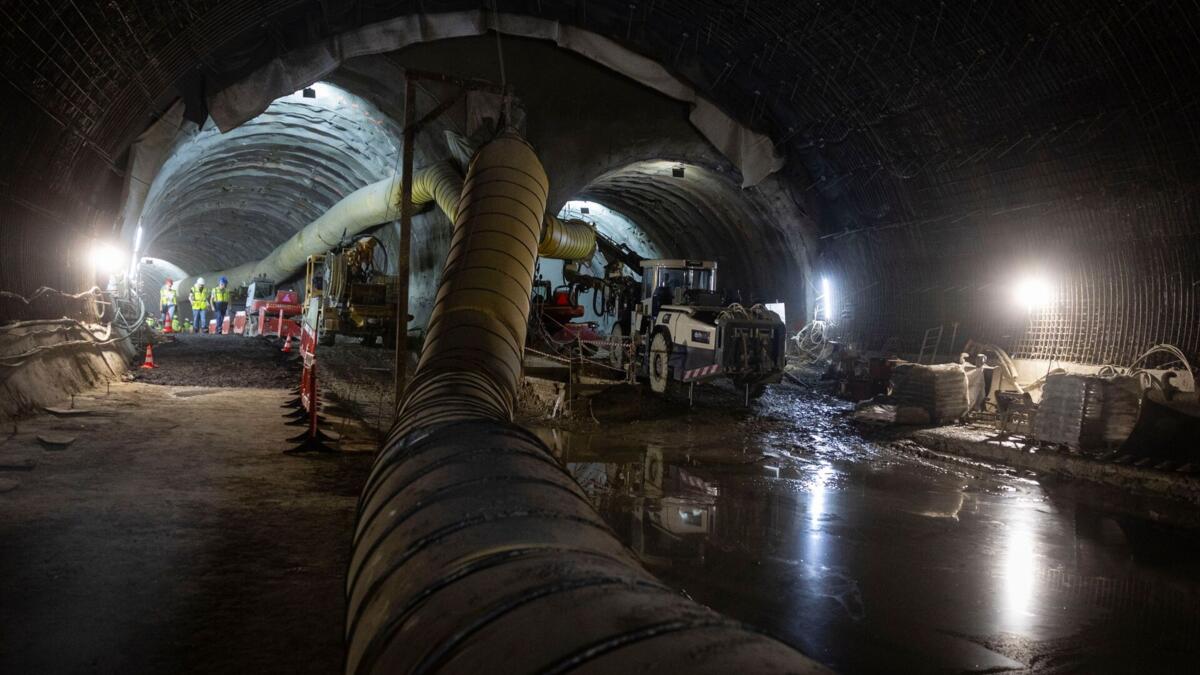
Porto, Portugal – Construction of the Rubi Line, a key extension to the Porto Metro system, will proceed with a temporary waiver of standard noise regulations. The Portuguese government issued an order on Tuesday, allowing work to continue without strict adherence to noise limits outlined in the General Regulation of noise (RGR). This decision aims to accelerate the completion of a vital public transportation project.
Government Order and RGR Exemptions
The order, signed by Secretary of State for Mobility Cristina Pinto Dias and former Secretary of State emídio Sousa on May 14, was officially published this week. It specifically addresses paragraph 5 of Article 15 within the RGR, which typically requires special noise licenses for projects exceeding one month in duration. Thes licenses mandate noise levels not to exceed 60 decibels during dusk and 55 decibels at night in sensitive areas.
Though, the RGR allows for “exceptional dismissal” of these requirements for transport infrastructure projects deemed to be of recognized public interest. The government has steadfast that the Rubi Line qualifies for this exemption, citing the comprehensive environmental impact assessment conducted throughout 2023. The measures to minimize environmental impact, both to the equipment and the activities to be developed, are already in place
, according to the government order.
Did You No? The Douro River runs through the Porto Metropolitan Area, and the new Rubi Line will include a crossing over the river via the D. Antónia Ferreira Bridge.
Mitigation Measures and Project Details
The government has emphasized that mitigation measures proposed in environmental and noise studies will be continually adopted and revised as needed. These adjustments will occur with any changes to the project’s design, work schedules, or construction methods.porto Metro has been contacted for comment regarding the specific noise mitigation strategies being implemented, but has not yet responded.
Rubi Line Overview
the Rubi Line spans 6.4 kilometers and will feature eight new stations. Stations in Gaia will include St. Ovid, Soares dos Reis, Devesas, Rotunda, Candal, and Arrábida. In Porto, the line will serve Campo Alegre and Casa da Música. A key component of the project is the D. Antónia Ferreira Bridge, designed exclusively for metro and pedestrian/bicycle traffic.
| Project Component | Details |
|---|---|
| Line Length | 6.4 kilometers |
| Number of Stations | 8 |
| Bridge Name | D. Antónia Ferreira Bridge (“to Ferreirinha”) |
| Projected Completion | End of 2026 (bridge completion expected 2027) |
| Total Cost | €487.9 million |
The project is being funded through Portugal’s Plan of Recovery and Resilience (PRR) and the State Budget (OE). While the initial completion target is the end of 2026, sources within porto Metro have indicated that the bridge component may not be finished untill 2027.
Pro tip: Understanding the impact of infrastructure projects on local communities requires considering both the benefits of improved transportation and the potential disruptions during construction.
what are your thoughts on balancing infrastructure advancement with quality of life for residents? how can cities best mitigate the impact of large-scale construction projects?
The Porto Metro system has been a cornerstone of urban mobility in the region since its inception in 2002. Expansion projects like the Rubi Line are crucial for accommodating growing populations and reducing traffic congestion. Portugal’s commitment to sustainable transportation, as evidenced by investments through the PRR, aligns with broader European Union goals for green infrastructure. Noise pollution remains a significant concern in urban environments, and the debate over balancing development with environmental protection is ongoing. The RGR, established to regulate noise levels, reflects a growing awareness of the health impacts associated with excessive noise exposure (see World Health association guidelines on noise).
Frequently Asked Questions about the Porto Metro Rubi Line
- What is the Porto Metro rubi Line? It’s a 6.4-kilometer extension to the Porto Metro system, adding eight new stations.
- Why was a noise regulation waiver granted? The government deemed the project of public interest and allowed for a temporary exemption to expedite construction.
- When is the Rubi Line expected to be completed? The project is slated for completion by the end of 2026, though the bridge may be finished in 2027.
- How much will the Rubi Line cost? The total project cost is €487.9 million, funded by the PRR and State Budget.
- What mitigation measures are being taken to reduce noise? The government states that measures from environmental studies will be adopted and revised as needed.
We’d love to hear your thoughts on this developing story! share your comments below, and don’t forget to subscribe to our newsletter for the latest updates on infrastructure projects around the world.
