
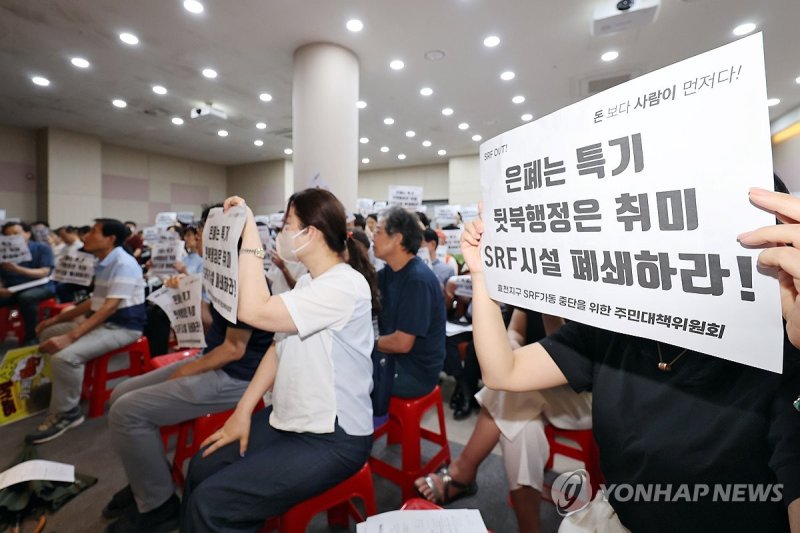
Gwangju SRF Facility odor Tests Yield Mixed Results, Raising Resident Concerns
Table of Contents
Gwangju, South Korea - Recent odor pollution tests conducted at the Gwangju Metropolitan Sanitation Landfill’s flammable waste fueling facility (SRF) have produced inconsistent results, fueling ongoing concerns among residents of the Hyocheon District. While some tests indicate compliance with legal standards,others have revealed unacceptable levels of odor,prompting further inquiry by local authorities.
Testing Methodology and Initial Findings
Nam-gu, Gwangju, commissioned the Korea Institute of Health and Environment to conduct two rounds of testing on August 16th and 17th. The testing process involves measuring odor pollution levels after diluting samples of the air. Measurements are taken in diluted multiples to determine the concentration of the odor. A reading of 100 dilution was measured at the 3rd-floor rooftop outlet, falling below the standard limit of 500.
However, a test conducted on August 15th at the landfill’s main gate initially showed inadequate results. A subsequent test at the 3rd-floor rooftop outlet on the same day registered a level of 448, which was deemed acceptable.These fluctuating results have raised questions about the consistency of the SRF facility’s emissions.
Did You Know? SRF facilities process non-recyclable waste into a fuel source, but can generate important odors if not properly managed.
Resident Demands and Ongoing monitoring
The SRF pollution tests are being conducted daily in response to demands made by residents during a meeting on August 14th,aimed at resolving the persistent odor issues. Despite the facility continuing operations, Nam-gu officials are committed to identifying the source of the complex odors, even when test results meet legal standards.
“We have seen instances where results were previously inadequate, exceeding legal limits, and we are currently unsure why the recent tests have yielded different outcomes,” stated an official from Nam-gu. The city is actively analyzing the discrepancies to ensure public safety and address resident concerns.
Component Analysis and Health Impact Assessment
A comprehensive component analysis to identify potentially harmful substances is currently underway, beginning on August 19th. This analysis will examine over 20 different compounds and is expected to take several days to complete. The goal is to determine if the odors pose any health risks to nearby residents. According to the World Health Organization, exposure to certain volatile organic compounds (VOCs) released from waste facilities can lead to respiratory problems and other health issues (WHO,2023).
Pro Tip: If you experience unusual odors or health symptoms potentially related to environmental pollution, document the incidents and consult with a healthcare professional.
History of the Controversy
The current controversy stems from initial odor pollution test results conducted by the Institute of Health and Environment on August 7th, which were deemed inadequate.These results indicated that complex odors exceeded legal standards both at the site’s border and near the SRF outlet. Residents have expressed frustration over what they perceive as a two-month delay in receiving details about these findings from Gwangju and Nam-gu authorities.
| Date | Location | Odor level | Compliance |
|---|---|---|---|
| August 7th | Landfill Border | Exceeded Legal Standards | Inadequate |
| August 7th | SRF Outlet | Exceeded Legal Standards | Inadequate |
| August 15th | Landfill Main Gate | Inadequate | Inadequate |
| August 15th | 3rd Floor Rooftop Outlet | 448 | Adequate |
| August 16th & 17th | Various Locations | Below 500 (dilution) | Adequate |
What steps do you think local authorities should take to address resident concerns and ensure the SRF facility operates safely? How can transparency be improved in environmental monitoring and reporting?
The issue of SRF facility odor pollution is a growing concern in many urban areas as waste management practices evolve. The increasing reliance on waste-to-energy technologies,while offering potential environmental benefits,requires stringent monitoring and regulation to mitigate potential negative impacts on surrounding communities. effective odor control strategies, including advanced filtration systems and optimized facility design, are crucial for maintaining public health and environmental quality. Furthermore, proactive community engagement and transparent dialog are essential for building trust and addressing concerns related to these facilities.
Frequently Asked Questions about the Gwangju SRF Facility
- What is an SRF facility? An SRF (Solid Refuse Fuel) facility processes non-recyclable waste into a fuel source used for energy generation.
- What are the potential health risks associated with SRF facilities? Exposure to certain emissions from SRF facilities can potentially cause respiratory problems and other health issues.
- How are odor levels measured at the facility? Odor levels are measured by diluting air samples and quantifying the concentration of odor-causing compounds.
- What is Nam-gu doing to address resident concerns? Nam-gu is conducting daily odor tests, analyzing harmful substances, and investigating the cause of inconsistent test results.
- Where can I find more information about air quality in Gwangju? Information about air quality can be found on the Gwangju Metropolitan City website and through the Korea Environment Corporation.
We are committed to providing you with the most up-to-date and accurate information. if you found this article insightful, please share it with your network and join the conversation in the comments below. Don’t forget to subscribe to our newsletter for more breaking news and in-depth analysis!
