
Formula 1’s Drive to Net Zero: A Racing Revolution with Global Impact
Table of Contents
Formula 1 is aggressively pursuing a goal of carbon net zero by 2030, already achieving a 26 percent reduction in carbon emissions as of the end of the 2024 season. This ambitious undertaking extends beyond the racetrack,encompassing vehicle design,manufacturing,logistics,and travel. The push for sustainability isn’t merely a branding exercise; it’s a catalyst for technological advancements with potential applications far beyond the world of motorsports.
The Technological Shift: Fuels and Engines
A cornerstone of Formula 1’s sustainability strategy is the transition to advanced sustainable fuel blends. Beginning in 2026, all Formula 1 cars will operate on these fuels alongside new hybrid engine technology. This move is expected to significantly reduce the sport’s carbon footprint and could influence the development of more sustainable fuels for everyday vehicles. Former Red Bull Racing team principal Christian Horner previously suggested this fuel could even facilitate a return to V10 engines as discussed in 2013,though that idea was ultimately not pursued.
Formula 1’s feeder series, Formula 2 and Formula 3, are already successfully utilizing these sustainable fuels, demonstrating their viability. Former F1 driver Sebastian Vettel has been a vocal advocate for their adoption, highlighting their potential to reduce emissions across the automotive industry.
Did You Know?
Sustainable aviation fuel (SAF) is not a single type of fuel, but rather a category encompassing fuels derived from renewable sources like waste oils, algae, and even captured carbon dioxide.
Reducing Emissions Beyond the Track
The logistical challenges of a global racing series present a significant environmental hurdle. The extensive travel of teams,equipment,and personnel generates significant carbon emissions. Formula 1 is addressing this through investments in sustainable aviation fuel and optimizing its transportation network.
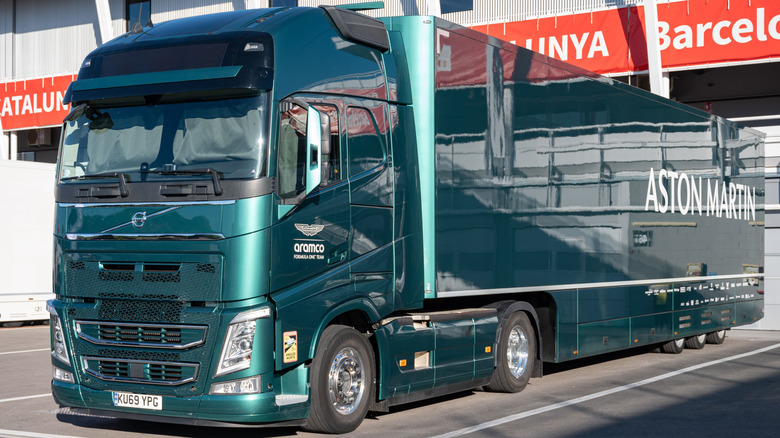
The sport reports that sustainable aviation fuel has already reduced travel emissions by at least 19 percent, with the potential for wider adoption within the aviation sector. Furthermore, Formula 1 is increasingly utilizing Hydrotreated Vegetable Oil (HVO100) biofuel for its long-haul trucks during the European leg of the season, achieving an extraordinary 83 percent reduction in carbon emissions.This aligns with broader European initiatives promoting HVO100 as a cleaner choice to traditional diesel.
While Formula 1 was a late adopter of ethanol-blended fuels, only switching to E10 in 2022, it is now demonstrating a commitment to more comprehensive sustainable practices.
Pirelli’s Sustainable Tire technology
Pirelli, Formula 1’s official tire supplier, is pioneering sustainable tire technology with its Forest Stewardship Council (FSC) certified tires.These tires promote responsible sourcing of rubber and minimize environmental impact. introduced in 2024, they are designed for recycling into secondary raw materials after use.
This technology is now extending beyond Formula 1, with Jaguar Land Rover incorporating specially made FSC-certified Pirelli P zero tires into its new range Rover models. Initially available on vehicles with 22-inch wheels, the technology will be rolled out across the range Rover lineup. Pirelli claims these tires are composed of 70 percent recycled content.
However,the Range Rover isn’t the first vehicle to feature Pirelli’s FSC-certified tires; BMW’s X5 xDrive45e plug-in hybrid was an early adopter in 2021. Pirelli has also extended its FSC range to mountain bikes, demonstrating a broad commitment to sustainability.
Pro Tip: Look for the FSC label when purchasing rubber products to support responsible forestry practices and reduce deforestation.
| Milestone | Date | Achievement |
|---|---|---|
| Net Zero Target Set | 2019 | Formula 1 commits to being carbon net zero by 2030. |
| E10 Fuel Adoption | 2022 | formula 1 begins using E10 fuel. |
| FSC Tire Introduction | 2024 | pirelli introduces FSC-certified tires in Formula 1. |
| Emission Reduction | End of 2024 | 26% reduction in carbon emissions achieved. |
| Sustainable Fuel rollout | 2026 | All Formula 1 cars will run on advanced sustainable fuel blends. |
What impact will these sustainable technologies have on the broader automotive industry? And how can Formula 1 further minimize its environmental footprint as it expands its global reach?
the push for sustainability in Formula 1 reflects a broader trend across the automotive industry. Manufacturers are facing increasing pressure from regulators and consumers to reduce emissions and adopt more environmentally kind practices. The technologies developed in Formula 1, such as sustainable fuels and advanced materials, have the potential to accelerate this transition. the sport’s commitment to net zero by 2030 serves as an ambitious benchmark for othre industries to follow. According to the Environmental Protection Agency, sustainable fuels can significantly reduce greenhouse gas emissions compared to conventional fuels.
Frequently Asked Questions about Formula 1 and Sustainability
- What is Formula 1 doing to become carbon neutral? Formula 1 is implementing a multi-faceted strategy including sustainable fuels, efficient logistics, and recycled materials.
- What are FSC-certified tires? These tires use rubber sourced from responsibly managed forests, minimizing environmental impact.
- How does HVO100 biofuel help reduce emissions? HVO100 is a renewable diesel alternative that significantly lowers carbon emissions compared to traditional diesel fuel.
- Will sustainable fuels become available for consumer cars? The technology is transferable and is expected to be adopted by mainstream automotive manufacturers.
- What is the timeline for Formula 1 achieving net zero? The target date is 2030, with significant progress already made, including a 26% reduction in emissions by the end of 2024.
We’d love to hear your thoughts! Share this article with your network, and let us know in the comments what other sustainability initiatives you’d like to see in Formula 1 and the wider automotive world. Don’t forget to subscribe to our newsletter for the latest updates and insightful analysis.
