
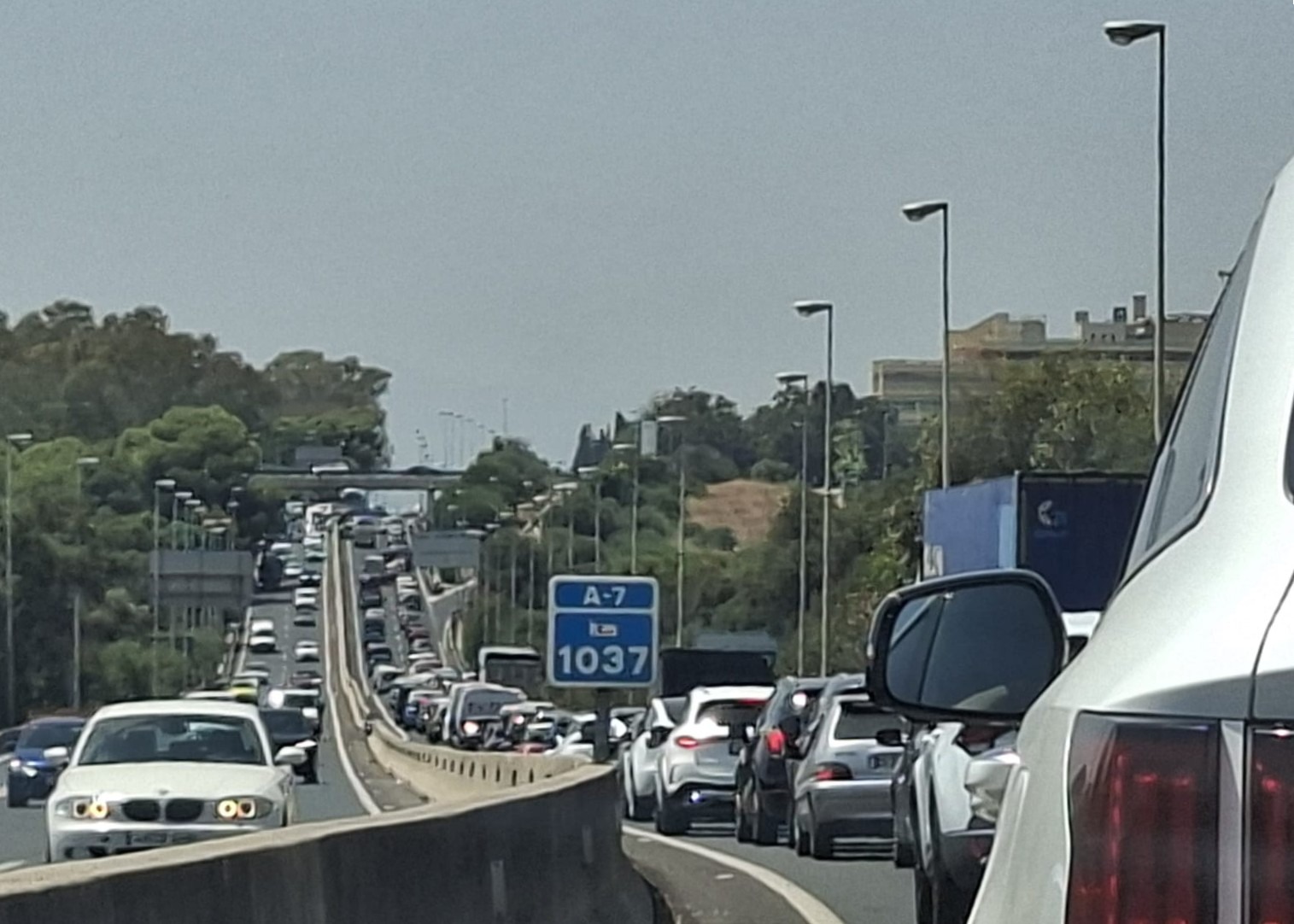
Costa del Sol Traffic Crisis: Summer Congestion Reaches Breaking Point
Table of Contents
- Costa del Sol Traffic Crisis: Summer Congestion Reaches Breaking Point
- Recurring Congestion and Limited Alternatives
- Peak Travel and event Impact
- Concert Chaos and Extended Commutes
- incidents and Accidents Amplify Delays
- Increased Traffic Volume Predicted
- Infrastructure Deficiencies Highlighted
- government Investigation Launched
- A-7 Designated a ‘Black Point’
- Debate Over Toll Road Access
- Coastal Rail Expansion Proposed
Málaga, Spain – August 18, 2025 – The Costa del Sol is grappling with significant traffic disruptions as the height of summer tourism and a series of large events converge, creating gridlock across the region. Motorists faced extensive delays Thursday evening, particularly around Marbella, Mijas, Benalmádena, and Torremolinos, as the coastal population swelled and major concerts drew tens of thousands of attendees.
Recurring Congestion and Limited Alternatives
Frustration is mounting for drivers, as daily traffic bottlenecks have become commonplace. Problem areas include the A-7 highway between Benalmádena and Fuengirola, and near the San Pedro de Alcántara tunnel. The primary issue is a lack of viable alternative routes, with the AP-7 toll road representing the only bypass, albeit an expensive one.
Peak Travel and event Impact
The Spanish Traffic Service (DGT) reported nine separate traffic jams throughout the province of Málaga on Thursday. A 12-kilometer backup formed on the A-7 near Nueva Andalucía heading towards Cádiz, while six kilometers of congestion impacted the AP-7 toll road in the same area, traveling towards Almería. These delays coincided with increased travel as people returned from beaches and headed to vacation destinations, compounded by the influx of concertgoers.
Concert Chaos and Extended Commutes
A performance by Manuel Carrasco at the Oasis Marbella Fest in San Pedro de Alcántara drew approximately 30,000 fans, exacerbating the situation. One attendee reported a 20-minute journey extending to over two hours. Similar delays were reported on social media, with some concertgoers experiencing delays of three to four hours.
Pro Tip: Check real-time traffic conditions via the DGT website or navigation apps before traveling during peak hours.
The concert of the Spanish band Los Secretos at Starlite Occident also contributed to the congestion,with one individual recounting a four-hour commute between Málaga and Marbella,ultimately resulting in a missed performance.
incidents and Accidents Amplify Delays
Adding to the chaos, vehicle breakdowns and accidents further hampered traffic flow. A car fire on the A-7 between torremolinos and Benalmádena caused a seven-kilometer backup towards Cádiz, and a similar incident occurred on the AP-7 near Torremolinos. Additional congestion arose in Mijas and Málaga due to vehicle accumulation and an accident on the A-357.
Increased Traffic Volume Predicted
The DGT anticipated approximately 315,000 additional vehicle movements within the province of Málaga during the long weekend. This surge underscores the strain on the region’s infrastructure during peak season.
Infrastructure Deficiencies Highlighted
The Málaga-based entrepreneurial organization CEM has voiced concerns about the deteriorating infrastructure, extending beyond the summer months. They have urged the Spanish goverment to address the chronic traffic congestion and invest in expanding Málaga airport and improving rail connections. According to CEM, “It’s not just about the inconvenience for travelers, but also about Málaga’s reputation as a reliable destination and about the competitive position of our companies.”
government Investigation Launched
Recognizing the severity of the issue, the Spanish government initiated an official investigation in July into the causes of traffic jams on the A-7 between Málaga and Marbella. The study aims to identify potential solutions, including road widening and improved connections to the AP-7 toll road. However, a complete assessment and implementation of solutions are not expected before the end of 2026.
A-7 Designated a ‘Black Point’
Data from TomTom indicates that drivers traveling between Marbella and Málaga lose an average of more than four days annually due to traffic congestion. During peak hours, the evening commute towards Marbella can add 73 minutes to a typical 35-minute journey.The DGT has designated the A-7 as a ‘Punto Negro’ (black traffic point), particularly near San Pedro de Alcántara and Fuengirola-El Higuerón.
Did you Know? …
The term ‘Punto Negro’ is used by the DGT to identify road sections with a history of frequent and severe accidents or congestion.
Debate Over Toll Road Access
Social media discussions frequently suggest making the AP-7 toll road free to alleviate congestion.however,this is complicated by the fact that the AP-7 is managed by the private company Ausol under concessions that extend to 2046 and 2054. Acquiring these concessions would require a significant financial investment and could deter future infrastructure investment.
Coastal Rail Expansion Proposed
The mayor of Málaga has repeatedly advocated for expanding the coastal railway line beyond its current terminus in Fuengirola to alleviate pressure on the roads. However, existing rail services are already overcrowded, with images circulating of passengers struggling to board with luggage.
| Issue | Details |
|---|---|
| Traffic Congestion | Severe delays on A-7 and AP-7 highways |
| contributing factors | Peak tourism, large events, accidents |
| Government Response | Investigation launched, solutions expected by 2026 |
| Potential Solutions | Road widening, improved rail connections, toll road access |
What long-term solutions do you believe would best address the traffic challenges on the Costa del Sol? How can the region balance tourism growth with sustainable infrastructure development?
The Costa del Sol’s traffic woes are symptomatic of broader challenges facing popular tourist destinations worldwide. Rapid tourism growth frequently enough outpaces infrastructure development, leading to congestion, environmental strain, and diminished quality of life for residents. Sustainable tourism practices, including investment in public transportation, promotion of off-season travel, and implementation of traffic management strategies, are crucial for mitigating these issues. The region’s reliance on road transport also highlights the need for greater investment in rail infrastructure, aligning with the European Union’s goals for sustainable mobility (European Commission, 2021).
Frequently Asked Questions about Costa del Sol Traffic
- What is causing the traffic on the Costa del sol? The primary causes are peak tourist season,large events,and limited alternative transportation options.
- When can we expect a solution to the traffic problems? The government investigation is ongoing, but solutions are not expected before the end of 2026.
- Is the AP-7 toll road a viable alternative? While it offers a bypass,the cost is prohibitive for many drivers for a one-way trip.
- What is being done to improve public transportation? There are calls for expanding the coastal railway line, but existing services are already overcrowded.
- How dose this impact tourism in the region? Severe congestion can negatively impact the tourist experience and perhaps damage the region’s reputation.
We hope this report provides valuable insight into the current traffic situation on the Costa del Sol. Share this article with your network to raise awareness and spark conversation. Don’t forget to subscribe to World Today News for the latest updates and in-depth analysis.
