
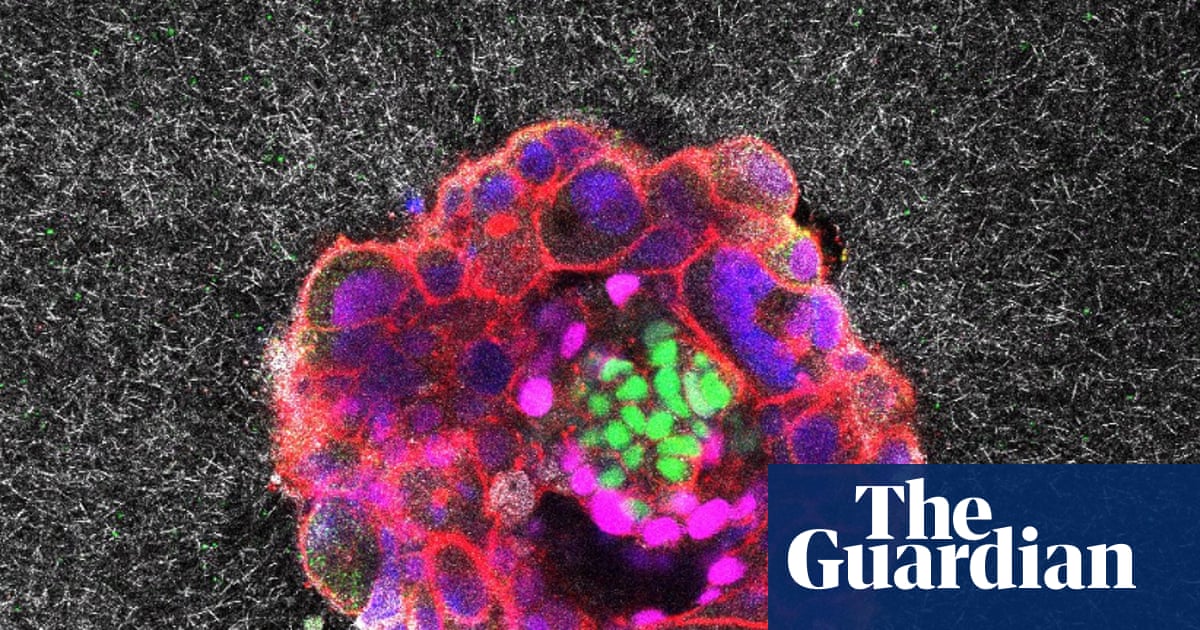
Human Embryo Implantation Visualized in real-Time for the First Time
Barcelona, Spain – In a landmark achievement, scientists have successfully recorded and visualized the process of human embryo implantation in real-time and in three dimensions. The groundbreaking footage, released august 15, 2025, provides an unprecedented look at how a fertilized egg attaches to the uterine lining, a critical step in establishing pregnancy.
Unveiling the Mechanics of Implantation
Researchers at the Institute for Bioengineering of Catalonia (IBEC) collaborated with Dexeus University Hospital in Barcelona to capture thes detailed images. The team utilized a novel platform allowing embryos to implant outside the uterus under controlled conditions, employing real-time fluorescence imaging to analyze the embryo’s interactions with its environment. This innovative approach allowed for observation of a process previously hidden from direct view.
Samuel Ojosnegros, principal investigator of IBEC’s bioengineering for reproductive health group and lead author of the study, emphasized the importance of the findings. “We have observed that human embryos burrow into the uterus, exerting considerable force during the process,” Ojosnegros stated. “These forces are necessary because the embryos must be able to invade the uterine tissue, becoming completely integrated with it. It is a surprisingly invasive process.”
Did You Know? Approximately 60 percent of early miscarriages are linked to implantation failure, highlighting the importance of understanding this process.
Key Differences Between Human and Mouse Implantation
The research revealed striking differences in how human and mouse embryos implant. While mouse embryos adhere to the uterine surface, human embryos actively penetrate the uterine tissue before initiating growth. This deeper integration appears to be a defining characteristic of human implantation.
Researchers also observed that human embryos release enzymes to break down surrounding tissue and exert traction forces during implantation.These findings suggest a more dynamic and forceful process than previously understood. The study builds upon existing knowledge of the implantation window, typically occurring six to 12 days after ovulation [[1]].
Implications for Fertility Treatment
The failure of embryo implantation is a major contributor to infertility, affecting an estimated one in six couples worldwide. Understanding the intricacies of this process could lead to new strategies for improving fertility rates. The research team believes these insights could pave the way for targeted interventions to support successful implantation.
Pro Tip: Maintaining a healthy lifestyle, including a balanced diet and regular exercise, can positively impact reproductive health and perhaps improve implantation success rates.
| Species | Implantation Method | Tissue Interaction | Force Exertion |
|---|---|---|---|
| Mouse | Adhesion | Surface attachment | Minimal |
| Human | Penetration | Tissue invasion | Significant |
Amélie Godeau, a researcher and co-first author of the study, noted the embryo’s active role. “We observe that the embryo pulls on the uterine matrix,moving and reorganizing it. It also reacts to external force cues. We hypothesize that contractions occurring in vain may influence embryo implantation.”
What factors might influence the success of embryo implantation beyond the mechanics observed in this study? Could individual variations in uterine lining composition play a role?
the ongoing Quest to Understand Early Embryonic Development
Research into embryo implantation is a rapidly evolving field. Scientists are continually refining their understanding of the molecular and cellular events that govern this critical process. Advances in imaging technology, such as the techniques employed by the IBEC team, are providing unprecedented insights into the complexities of early embryonic development.Further research is needed to explore the role of genetics, hormones, and the immune system in implantation success.The ultimate goal is to develop more effective strategies for preventing infertility and improving reproductive outcomes.
Frequently Asked Questions About Embryo Implantation
- What is embryo implantation? Embryo implantation is the process by wich a fertilized egg attaches to the lining of the uterus, initiating pregnancy.
- When does embryo implantation typically occur? Implantation usually occurs six to 12 days after ovulation.
- Why is understanding embryo implantation vital? Understanding this process is crucial for addressing infertility and reducing the risk of miscarriage.
- What did the recent study reveal about human embryo implantation? The study revealed that human embryos actively burrow into the uterine lining, exerting significant force during the process.
- How does human embryo implantation differ from that of mice? Human embryos penetrate the uterine tissue, while mouse embryos primarily adhere to the surface.
- What are the potential implications of this research for fertility treatments? This research could lead to new strategies for improving implantation rates and fertility outcomes.
This research offers a vital step forward in understanding the intricacies of early human development. The visual evidence provided by the IBEC team promises to reshape our approach to fertility treatment and reproductive health.
We invite you to share this insightful article with your network and join the conversation in the comments below. Don’t forget to subscribe to world today News for the latest breakthroughs in science and technology!
