
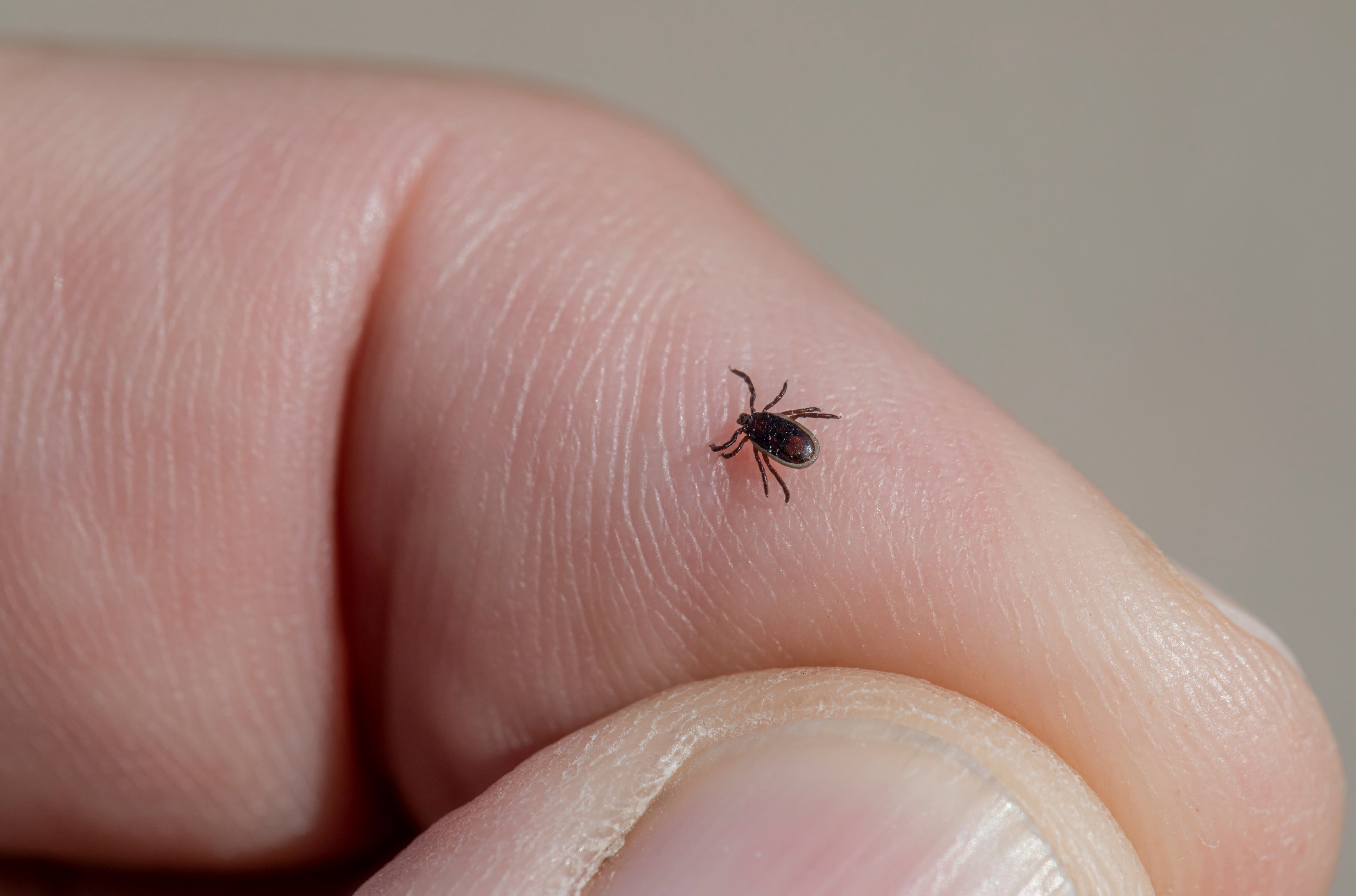
The Emerging Mystery of alpha-Gal Syndrome: A Tick-Borne Red Meat Allergy
A growing number of people are experiencing a peculiar and often debilitating allergy to red meat – and it’s not caused by the meat itself, but by a bite from certain ticks. This condition, known as alpha-gal-syndrom-wie-kommt-es-zur-fleischallergie-nach-zeckenbiss-1349115.html” title=”…-Syndrom: Wie Zeckenstiche eine Fleischallergie auslösen …”>alpha-gal syndrome (AGS), is a relatively recent phenomenon, and scientists are actively working to unravel its complexities.
How Dose It Develop?
Unlike typical food allergies that manifest quickly, AGS develops gradually.Usually, between one and three months after being bitten by a tick, individuals begin to experience their first reaction. the culprit is a sugar molecule called alpha-gal, found in most mammals. The tick bite somehow sensitizes the immune system to this sugar.
What are the Symptoms?
The symptoms of AGS can vary significantly in severity. Some individuals experience mild reactions like hives or localized swelling.Others suffer from intense, debilitating abdominal pain, severe nausea, and in the most serious cases, life-threatening anaphylactic shock. crucially, these reactions typically occur two to six hours after consuming meat containing alpha-gal.
The delayed onset and unusual nature of the allergy often lead to misdiagnosis. A 2022 study revealed that a staggering 42% of U.S. healthcare professionals were unaware of AGS. historically, patients could endure years of unexplained symptoms before receiving an accurate diagnosis. While awareness is increasing in some areas,leading to faster identification,many still face a lengthy diagnostic journey. Importantly,repeated tick bites or continued exposure to alpha-gal can worsen the allergy over time.
Diagnosis and Management
If you suspect you might have AGS,the first step is to discuss your concerns with your doctor and request a blood test to check for an immune response to alpha-gal. A positive result necessitates a important lifestyle change: avoiding all mammalian meat, including beef, pork, lamb, and even dairy products like milk and cheese.
Vigilance is key. Carefully scrutinize food labels, as alpha-gal can be found in unexpected additives like carrageenan, derived from red algae. For those at risk of severe reactions, carrying an epinephrine auto-injector (EpiPen) is crucial. Reliable resources like the Centers for Disease Control and Prevention (CDC) and alphagalinformation.org offer extensive information and guidance.Ongoing Research and future Outlook
Since its formal recognition in the early 2000s, our understanding of AGS has grown. Researchers have linked the allergy to specific tick species and even identified a potential connection between AGS and an increased risk of heart disease.
However, fundamental questions remain unanswered. Scientists are striving to understand precisely how the tick bite alters the immune system and why only certain individuals develop the allergy. Increased public awareness and research efforts promise potential breakthroughs in prevention, diagnosis, and treatment within the next decade.
Prevention is Paramount
Protecting yourself from tick bites is the best defense. When venturing into wooded or grassy areas,wear long sleeves and pants,use effective tick repellent,and thoroughly check your body for ticks afterward. Be mindful of any unusual allergic symptoms that arise a few hours after consuming red meat or even seemingly unrelated foods like gummy bears – a surprising source of gelatin, and therefore alpha-gal.
source: This article is adapted from a piece originally published by The Conversation under a Creative Commons license. You can find the original article here: https://theconversation.com/a-red-meat-allergy-from-tick-bites-is-spreading-and-the-lone-star-tick-isnt-the-only-alpha-gal-carrier-to-worry-about-262428
