
the Hidden Impact of Food Processing: Beyond Nutrition Labels
Recent research reveals a surprising disconnect between conventional nutritional analysis and actual health outcomes, specifically when comparing minimally processed foods (MPF) to ultra-processed foods (UPF). While both can be formulated to meet established dietary guidelines like Britain’s Eatwell guide – hitting targets for saturated fat, fiber, and other nutrients – a study demonstrated significantly different results in participants.Those consuming a diet centered around minimally processed foods experienced an average body weight loss of 2%, and crucially, lost more than twice the percentage of body fat compared to those eating an ultra-processed diet. Participants on the MPF plan also reported feeling considerably less hungry and experienced fewer cravings for snacks.
Researchers attribute these differences to “food-matrix” effects. MPFs, such as chicken with roasted vegetables, require more thorough chewing and naturally contain water and fiber, contributing to a feeling of fullness. Conversely, UPFs, even those marketed with “natural” ingredients, are typically softer, denser, and easier to consume quickly. This rapid delivery of calories to the stomach outpaces the brain’s ability to register satiety, leading to overeating.
Beyond texture, the study highlights the role of additives commonly found in UPFs. Emulsifiers, stabilizers, and complex flavor combinations are used to enhance shelf life and palatability, but these ingredients can also influence gut function and brain reward pathways, encouraging further consumption. As lead author Samuel Dicken explains, “Matching nutrition numbers doesn’t override the way a product is engineered to be over-eaten.” Essentially, the inherent benefits of natural ingredients can be undermined by intensive industrial processing.
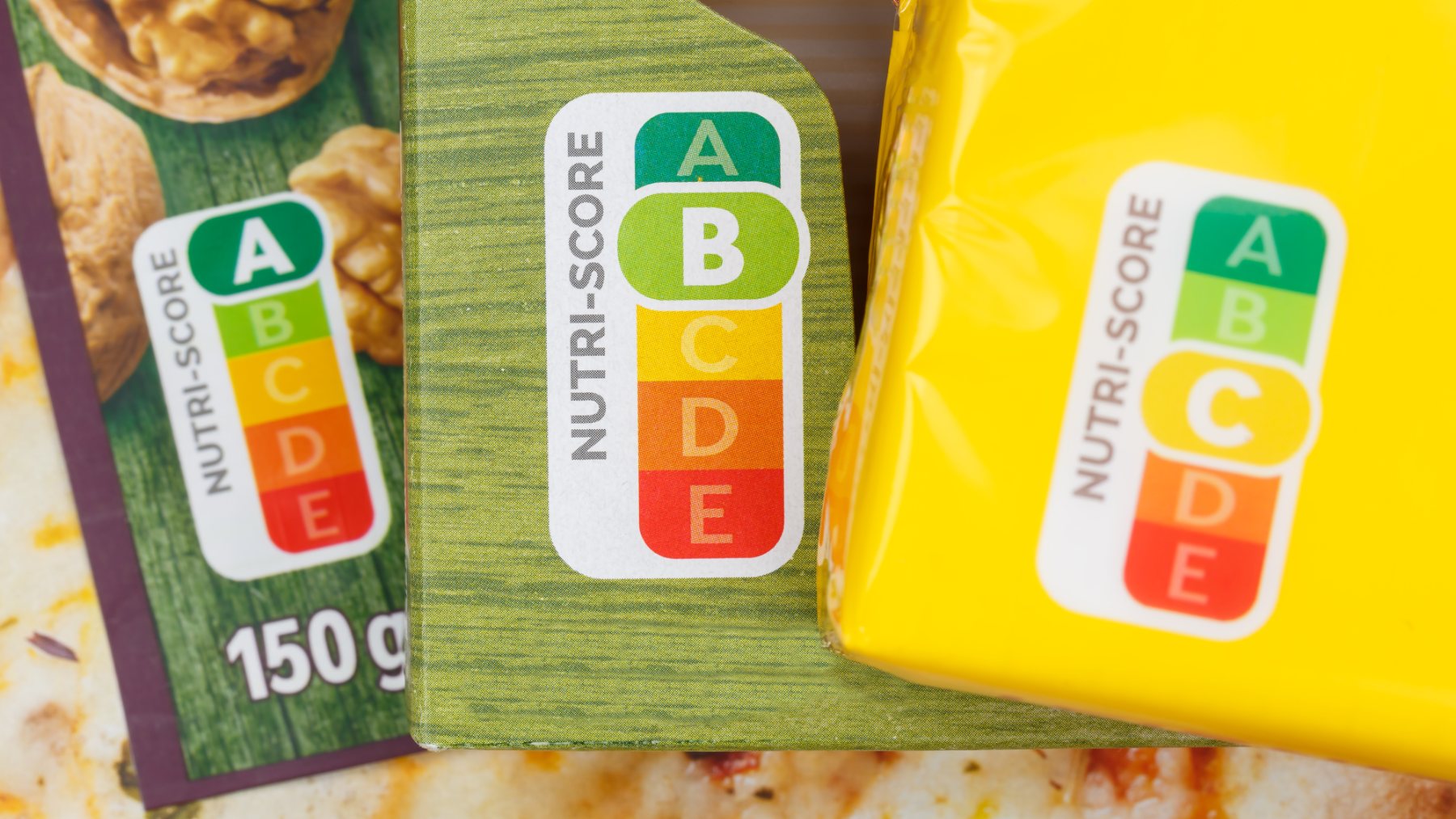
Ultra-processed foods now constitute over 55% of the average American’s caloric intake. Marketing strategies often exploit perceptions of health, using terms like “made with ancient grains,” “clean label,” and “plant-powered” to suggest naturalness, even when ingredient lists are filled with complex, manufactured components. Current U.S. food labeling regulations focus on macronutrient and micronutrient content, neglecting to address the degree of processing involved. This leaves consumers prioritizing fiber and sugar content while overlooking the impact of how those nutrients are packaged within a highly palatable, engineered food.
The research team advocates for policy changes to address this issue, suggesting measures like an ultra-processed warning icon on packaging, restrictions on the use of cartoon characters to market UPFs, and financial incentives to make whole, unprocessed foods more affordable.
Public health physician Chris van Tulleken emphasizes that individual willpower is insufficient in a food habitat designed to promote overconsumption, stating, “We can’t blame willpower in a food environment wired for overconsumption.”
It’s important to note that not all UPFs are detrimental.They can serve vital roles in specific situations, such as medical nutrition shakes for recovery, infant formula, or shelf-stable foods for disaster relief. However, consumers should be wary when marketing emphasizes natural ingredients alongside lengthy, complex ingredient lists. A simple texture test – if a meal dissolves in just three chews,it’s likely to bypass natural satiety signals.
To navigate this challenging food landscape, prioritize foods recognizable in thier natural state, utilize your freezer for convenient meal readiness, and allow the texture of food to contribute to appetite control. Focus on the number of processing steps a food undergoes, rather than solely on its protein or fiber content, to support better health outcomes.
