
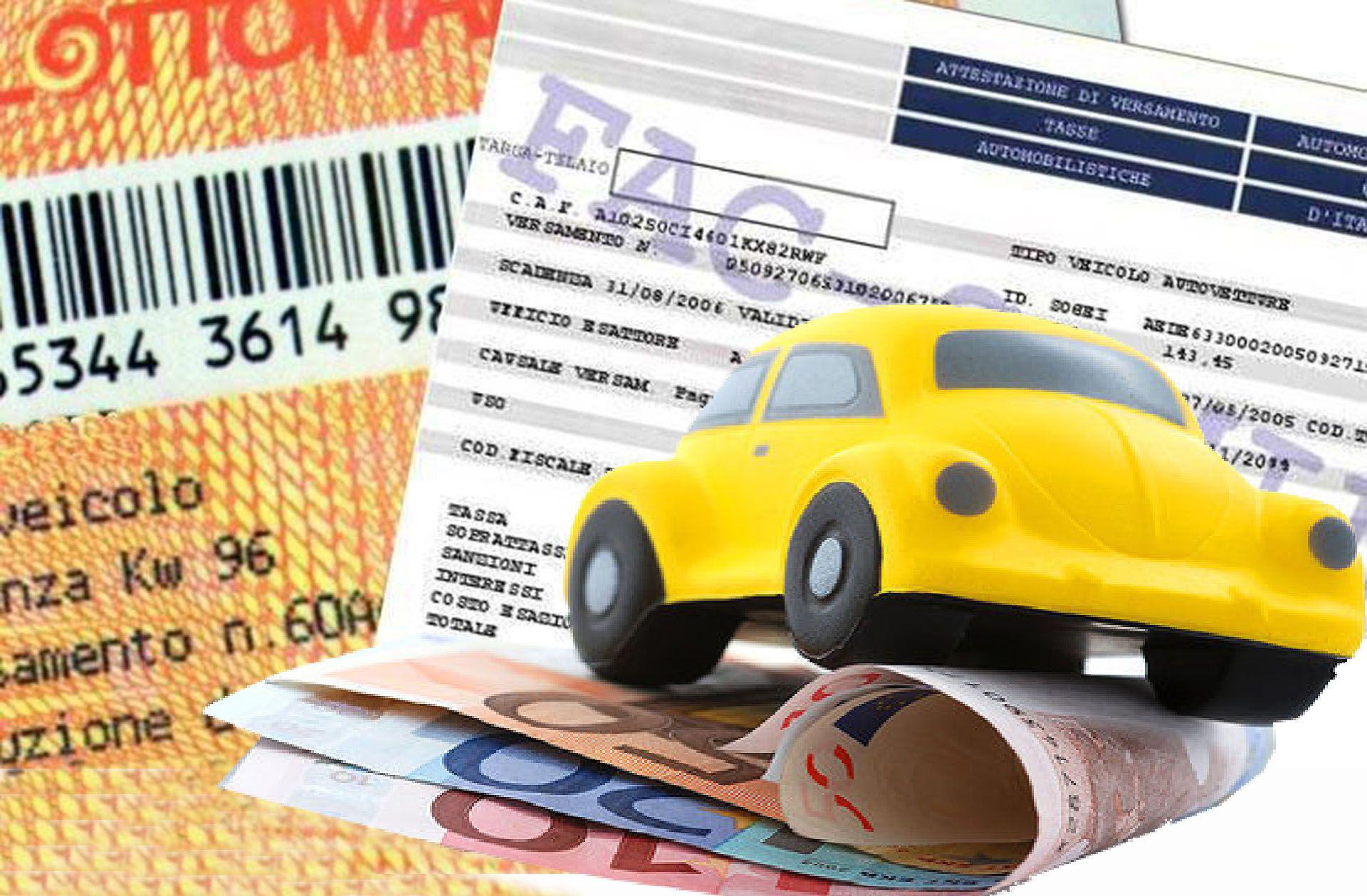
italy to Phase Out ‘Superbollo‘ Car Tax, Minister Salvini Confirms
Rome, Italy – In a move welcomed by automotive enthusiasts and industry stakeholders, Italian Minister of Infrastructure and Transport Matteo Salvini has confirmed plans to gradually eliminate the “superbollo” – a tax levied on high-powered vehicles. The declaration signals a shift in policy after years of debate surrounding the tax’s effectiveness and fairness.
Rather than an immediate repeal,the government intends to implement a phased approach,beginning with an increase to the kilowatt (kW) threshold that triggers the tax. This means vehicles with lower horsepower will be exempt,while the tax will continue to apply to the moast powerful cars currently on the market. The specific kW levels for each phase are currently under review and are expected to be finalized in the coming weeks.
According to sources within the Ministry, the superbollo has historically generated relatively modest revenue for the Italian government – approximately €200 million annually. Minister Salvini has publicly stated that offsetting this revenue loss will not pose a significant challenge to the national budget. However, budgetary constraints necessitate a cautious, incremental approach to the tax’s elimination.
The strategy also anticipates a potential revenue boost from increased sales of high-performance vehicles.As the superbollo is lifted from more powerful cars, demand is expected to rise, leading to higher tax revenues from vehicle registration and sales taxes, partially compensating for the lost superbollo income. This effect is notably anticipated in the luxury car segment, with brands like Ferrari, Lamborghini, and Maserati potentially seeing increased sales within Italy.

The superbollo, originally introduced in 2011 under the government of Silvio Berlusconi as part of a broader austerity package, has been a recurring point of contention. It applies to vehicles exceeding 185 kW (252 horsepower) and is based on a progressive scale of horsepower. Previous administrations have made promises to abolish the tax, but these pledges have consistently failed to materialize.
Government officials are now targeting a timeline for the first phase of changes to be implemented by the end of summer 2024. though, acknowledging past disappointments, observers remain cautiously optimistic, emphasizing the need for a formal decree outlining the specific details before considering the superbollo’s elimination a certainty.The Ministry of Economy and Finance, led by Minister Giancarlo Giorgetti, will play a key role in finalizing the budgetary aspects of the plan.
