
Rising Leptospirosis Cases in Yogyakarta Demand Preventative Action
Yogyakarta’s Special Region (DIY) is currently facing a concerning rise in leptospirosis cases. According to data from the DIY Health Office (Dinkes) through July 2025, a total of 282 cases have been reported across the region. Bantul Regency is experiencing the highest concentration of infections with 165 cases,followed by Sleman (53),Kulonprogo (32),Yogyakarta City (21),and Gunungkidul (11).
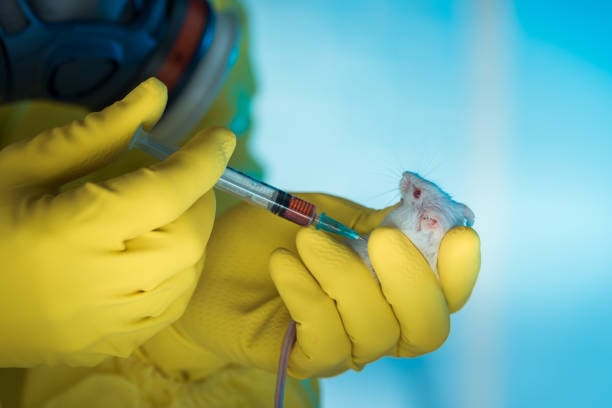
Henny Cloridina, a lecturer at the Faculty of Medicine, University of ‘Aisyiyah (Unisa) Yogyakarta, emphasizes the importance of community awareness and preventative measures.Leptospirosis, often referred to as “mouse urine disease,” is an infectious illness caused by the bacterium Leptospira sp., a member of the Spirochaeta group.Transmission occurs through contact with animals carrying the bacteria, including rats, dogs, pigs, cows, and goats.
“Rats are the primary reservoir for this disease,” explains Cloridina. “The Leptospira sp. bacteria reside within the kidney tubules of rats and are excreted through their urine.”
Several factors contribute to the spread of leptospirosis. These include environmental conditions like heavy rainfall,poor sanitation,and high rat populations. individual factors such as open wounds, weakened immune systems, and risky behaviors also play a role. Socioeconomic factors, including overcrowded living conditions and a lack of public health knowledge, further exacerbate the problem, as do behavioral factors like failing to use protective equipment or maintaining an unclean lifestyle.
The symptoms of leptospirosis can be deceptively similar to those of other common illnesses like dengue fever, malaria, and acute fever. The disease often presents in a biphasic pattern – periods of noticeable symptoms are followed by periods where the patient feels well, only for symptoms to return. Initial symptoms can include shivering, coughing, diarrhea, sudden headaches, high fever, muscle aches (notably in the calves), and loss of appetite.
Cloridina notes that severe muscle pain in the calves is a particularly telling sign of infection. A yellowing of the skin and mucous membranes (eyes, mouth) indicates a more severe form of the disease, known as Weil’s disease.
Preventing Infection and Seeking Treatment
Cloridina offers several recommendations for preventing leptospirosis:
Maintain Environmental Cleanliness: Regularly dispose of waste,eliminate clutter,and ensure proper drainage to prevent flooding.
Practice Personal Hygiene: Wash hands frequently with soap, wear appropriate personal protective equipment (PPE) when necessary, and avoid contact with floodwater or puddles.
Control Rat Populations: Secure food storage, utilize mouse traps, and eliminate potential rat nesting sites.
Recognise Symptoms: Be aware of the symptoms of leptospirosis to seek prompt medical attention if they appear.
if symptoms develop, Cloridina advises seeking immediate medical attention if a fever persists despite medication, or if illness lasts longer than three days. She also stresses the importance of staying hydrated by drinking plenty of water and getting adequate rest.
“Follow your doctor’s prescribed medication and undergo any recommended laboratory tests,” Cloridina states. “Be vigilant for danger signs such as yellowing of the skin and mucous membranes,reduced urine output (less than five times per day),or severe muscle pain in the calves or back.”
The Faculty of Medicine at Unisa Yogyakarta is actively working to address the issue through community outreach and health assistance programs, including potential socialization events and providing medical support during social service initiatives.
