
“One Piece” Pirate Flag Flies as Symbol of Protest in Indonesia, Sparking Government Backlash
Jakarta, Indonesia – A surprising symbol of dissent has emerged in Indonesia: the skull-and-crossbones flag of Monkey D. Luffy from the globally popular Japanese anime One Piece. The flag’s widespread appearance across the nation is drawing the ire of the government, signaling growing unrest and fears of increasing authoritarianism.
The Rising Tide of the Jolly Roger
Over the past weeks,images of the One Piece pirate flag have flooded Indonesian social media,appearing on buildings,clothing,and in public demonstrations. This isn’t a celebration of piracy, but a potent expression of frustration with the current political climate. The movement gained momentum following a call from President Prabowo Subianto to prominently display the Indonesian flag, known as Sangkakamera Futi, in the lead-up to the August 17th Independence Day.
However, rather than embracing the presidential request, many Indonesians have opted for Luffy’s flag, viewing it as a representation of the freedom they feel is lacking in their daily lives. The choice is a deliberate act of defiance,fueled by concerns that President Prabowo,a former military leader,is consolidating power and eroding democratic principles.
“This country was officially autonomous, but many still haven’t actually experienced freedom in everyday life,” explained Ali Maulana, a resident of Papua, in an interview with BBC Indonesia. The One Piece narrative, with its themes of fighting against oppressive forces and seeking true liberation, resonates deeply with those feeling marginalized and unheard.
Clothing store owner dendi Christtan, based in Central Java, reports a surge in demand for the flags. “We have received hundreds of orders a day from all over Indonesia since the end of July,” he told the Jakarta Post. This demonstrates the widespread adoption of the symbol and the growing discontent it represents.
A History of Democratic Struggle & Recent Concerns
Indonesia, the world’s third-largest democracy, has a complex history of political upheaval. While officially independent since 1949, the nation has experienced periods of authoritarian rule. The current situation echoes past anxieties, notably given President Prabowo’s background. He was discharged from the military in 1998 following accusations of human rights abuses related to the kidnapping of pro-democracy activists.
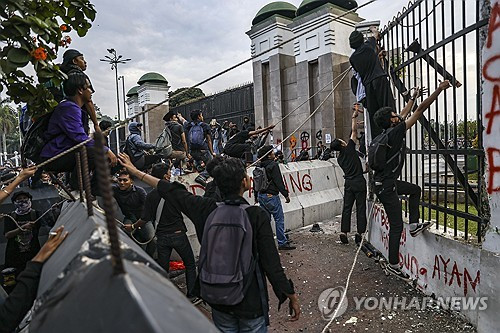
Since taking office in October 2023, Prabowo has been accused of expanding his political authority, leading to protests against revisions to military law. in March 2024, demonstrations in Jakarta saw protesters attempting to breach security barriers around the parliament building (as documented by EPA/Yonhap News Agency). These events underscore the growing tension between the government and its citizens.
Government Response & Potential Consequences
The Indonesian government has reacted strongly to the One Piece flag movement. Summi Dasco Ahmad, a member of parliament and close ally of President Prabowo, labeled the display of the flags as “organized attempts to divide the state.” Another prominent politician, Permando Eva Bridge of the Golkar Party, even suggested the act could be considered “treason.”
The government’s harsh rhetoric raises concerns about potential crackdowns on dissent and further restrictions on freedom of expression. The situation remains fluid, and the long-term implications of this unusual protest movement are yet to be seen.
Key Takeaways:
Symbol of Resistance: The One piece pirate flag has become an unexpected symbol of protest against perceived authoritarianism in Indonesia.
Presidential Trigger: The movement was sparked by President Prabowo Subianto’s call to display the national flag.
Deep-Rooted Discontent: The flag resonates with Indonesians who feel their freedoms are limited despite the nation’s official independence. Government Backlash: The government has condemned the movement, raising concerns about potential repression.
* Ancient Context: The situation reflects Indonesia’s history of democratic struggle and anxieties about a return to authoritarian rule.
Stay informed: Follow Yonhap News TV for continuing coverage of this developing story.
