
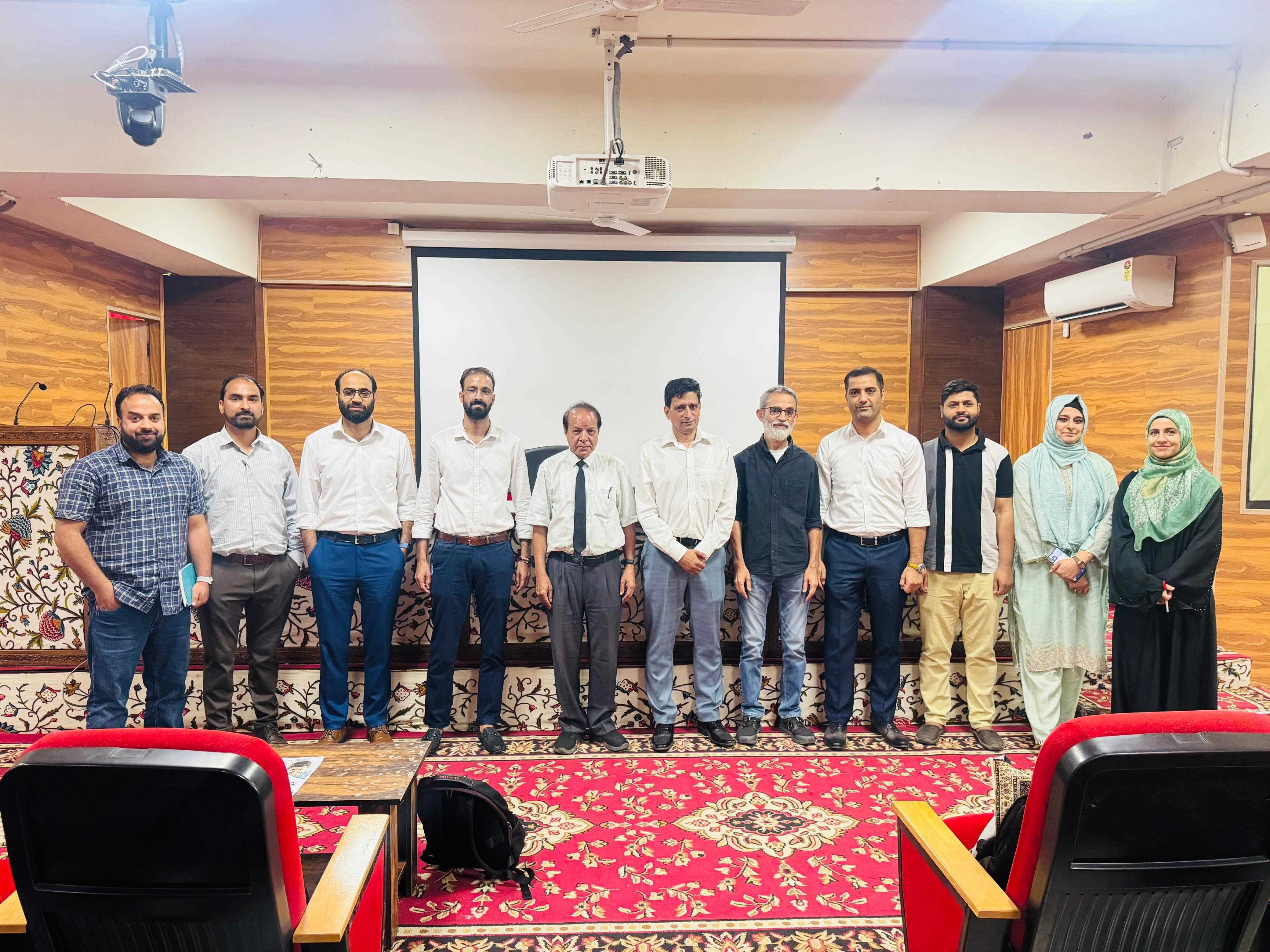
Awantipora, Kashmir – A recent health initiative at the Islamic University of Science and technology (IUST) provided crucial allergy and asthma screenings for students, faculty, and community members, revealing a significant need for increased awareness and preventative care in the region.
The two-day event,held at the Centre for Vocational Studies on November 8th and 9th,2023,offered extensive allergy testing,including assessments for respiratory allergies and asthma. Participants also received Total Immunoglobulin E (IgE) level testing, a key indicator of allergic sensitization. Over 150 individuals took advantage of the free screenings, with data collected to help understand local allergy patterns.
The screenings were conducted by a team of specialists from the Department of Pulmonary Medicine at Government Medical College, Srinagar, led by Dr. Sameer Ahmad, and allergy specialists from Allergy Care Diagnostics, Srinagar, headed by Dr.Nazir Ahmad Khan. Preliminary results indicated a high prevalence of dust mite and pollen allergies among the attendees, particularly during the autumn season.
“These screenings are vital for early detection and management of allergic conditions,” stated Dr. Shahid M Baba, Director of the Centre for Vocational Studies at IUST. “IUST is dedicated to promoting public health education and fostering strong community ties through initiatives like this. We plan to make this an annual event, expanding the scope to include workshops on allergy management and asthma self-care.”
Asthma affects an estimated 10-15% of children and 5-10% of adults in Kashmir, with respiratory allergies exacerbating the condition. The initiative aimed to address the growing concern of allergic diseases in the valley, providing individuals with personalized insights into their health and empowering them to take proactive steps towards better respiratory wellness.The event also highlighted the importance of environmental control measures, such as regular cleaning and the use of air purifiers, in reducing allergen exposure.
IUST officials confirmed plans to collaborate with local healthcare providers to ensure participants receive appropriate follow-up care and access to necessary medications. The university is also exploring the possibility of establishing a dedicated allergy and asthma clinic on campus in the future.
