
New Study Challenges Understanding of Chronic Lung Infections, Reveals Persistence even in Healthy Tissue
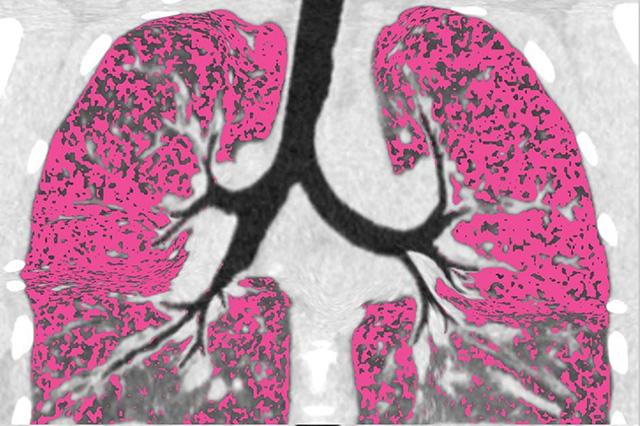
SEATTLE, WA – A groundbreaking study from the University of Washington School of Medicine and the University of Iowa is challenging long-held beliefs about why chronic lung infections, notably in patients with Cystic Fibrosis (CF), persist despite treatment. Researchers discovered that infection and inflammation aren’t limited to damaged areas of the lung, raising concerns about continued deterioration of lung function even with optimal therapies.
The research, led by Samantha Durfey, former postdoctoral scholar at UW, utilized bronchoscopes – thin cameras inserted into the lungs – to directly sample lung tissue before and after a year of modulator treatment. this allowed scientists to analyze regions varying in damage, infection, and inflammation, a level of detail previously unavailable.
“Modulators have dramatically improved the quality of life for people with CF,” explained durfey. “Though, infections stubbornly remain, and this study aimed to understand why.”
Traditionally, the medical community hypothesized that heavily damaged lung tissue was unable to clear infection, mirroring how wounds struggle to heal when compromised. UW Medicine pulmonologist Dr.Sid Kapnadak, who led the lung sampling, stated, “The leading idea was that patients remain infected because highly damaged lung regions can’t clear the infection.”
Though, the study’s findings defied this expectation. While inflammation largely subsided in areas where infection was cleared, researchers found persistent infection and inflammation throughout the lungs, even in areas exhibiting minimal damage.
“What we found was a surprise,” Durfey said. “People who remained infected had infection and inflammation everywhere we looked.”
This suggests that lung damage may not be the primary driver of chronic infection, and that bacteria may be adapting to resist treatment even in healthy lung tissue. Dr. Pradeep Singh, a UW Medicine critical care pulmonary physician and senior researcher on the team, emphasized the need for further investigation. “The bacteria may adapt in new ways to resist clearance even when the least damaged lung regions are treated with the best drugs we have.”
Researchers are now exploring multiple possibilities, including the potential for bacteria to spread from damaged areas to previously healthy tissue, as suggested by Alison Feder, assistant professor of genome sciences at UW.
The study, funded by the Cystic Fibrosis Foundation and the National Institutes of Health, represents a meaningful step forward in understanding chronic lung infections and could pave the way for new treatment strategies.While acknowledging much remains unknown, Durfey concluded, “We’ve made progress by looking inside infected lungs, but there is still a lot we don’t understand.”
