
Ukraine’s Drone Warfare Leaves Invisible Scars on Soldiers and Civilians
Psychological Trauma of ‘Droneophobia’ Emerges as Persistent Battlefield Echo
The relentless hum of drones has become a pervasive source of terror in Ukraine, leaving deep psychological wounds long after soldiers leave the front lines. This new form of combat-induced trauma, dubbed “droneophobia,” is affecting both military personnel and civilians, transforming everyday sounds into triggers for intense fear and anxiety.
The Hunted Hear the Whine
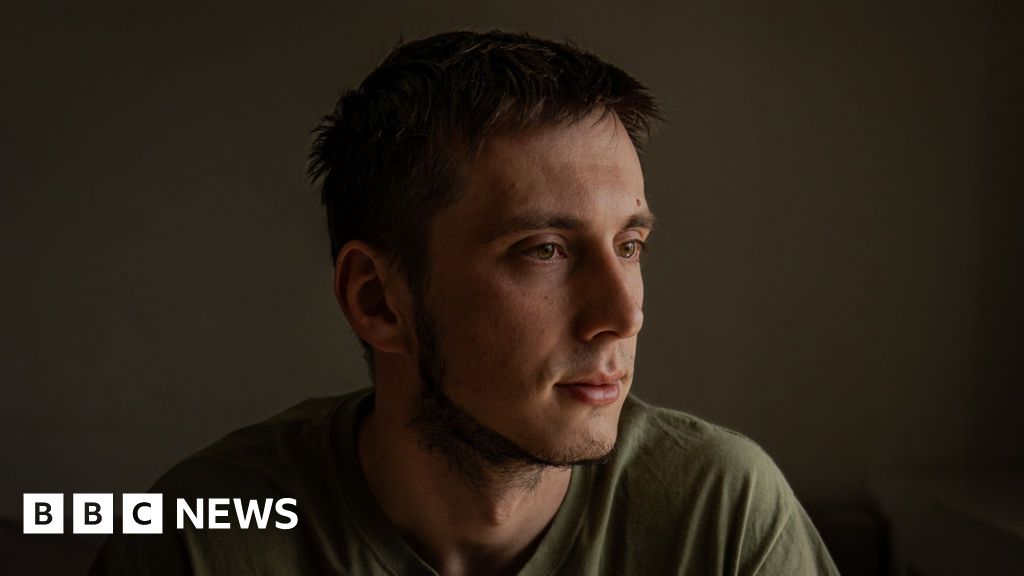
For Pavlo, a 30-year-old drone operator, the distinctive, high-pitched whine of a first-person view (FPV) drone is a constant reminder of being hunted. Even in the relative safety of his Kyiv apartment, the sound of lawnmowers, motorcycles, or even buzzing insects can send a jolt of panic through him.
“You cannot hide from the FPV, and to run is useless,” Pavlo said. “You try to be as calm as possible, and you pray.”
These small, agile drones, often laden with explosives, have become a dominant force on the battlefield, replacing heavier weaponry. Their ability to track and attack infantry and armored vehicles has created a unique psychological burden. Even when out of sight, the telltale sound can be heard for hours, creating a sustained state of tension and dread.
‘Droneophobia’: A New Battlefield Injury
The psychological impact of this constant threat is significant. Dr. Serhii Andriichenko, chief psychiatrist at Kyiv’s military hospital, notes a surge in patients suffering from stress disorders directly linked to drone activity.
“Over the past year, the majority of patients – if they are not physically wounded – have mental health injuries as a result of being under drone activity,” said Dr. Serhii Andriichenko, chief psychiatrist at Kyiv’s military hospital. “We call this droneophobia.”
This condition can manifest as soldiers exhibiting hypervigilance, such as suddenly switching off lights or hiding under furniture when familiar sounds emerge. While soldiers who fought in earlier phases of the conflict developed anxieties about specific locations like forests, the pervasiveness of drone warfare has reversed this, with some now feeling safer in densely wooded areas while avoiding open terrain.
The Terror Extends Beyond the Front Lines
The danger posed by FPV drones is not confined to the immediate combat zone. Russian forces have been using these weapons to target civilians in Ukrainian cities, a tactic condemned as a war crime by Human Rights Watch. In Kherson, a city frequently within drone range, civilians live under a constant threat. According to the regional military administration, Russian drone attacks have killed at least 84 civilians in the Kherson region this year alone.
Dmytro Olifirenko, a 23-year-old border guard in Kherson, recounted an incident where a drone dropped a munition on a bus stop, injuring him. He now experiences constant anxiety, perceiving the sound of drones even when they are not present.
“There is no such thing as a safe place anymore,” said Dmytro Olifirenko, a 23-year-old border guard who lives in Kherson city. “You always have to be alert, focused, and because of that, the body is constantly under stress.”
The psychological toll is immense, turning the ordinary sounds of urban life—cars, generators, air conditioners—into a daily gauntlet of fear for civilians. For soldiers like Pavlo, the battlefield has become an inescapable mental state, where any sound could signal imminent danger.
“When you see something, your brain can check it in a second, you can realise what it is very fast. But an unknown sound is different. Your brain has been changed. You cannot ignore it, you must respond. Because at the front line, it could save your life.”
—Pavlo, Drone Operator
